What Do These Two Systems Actually Do?
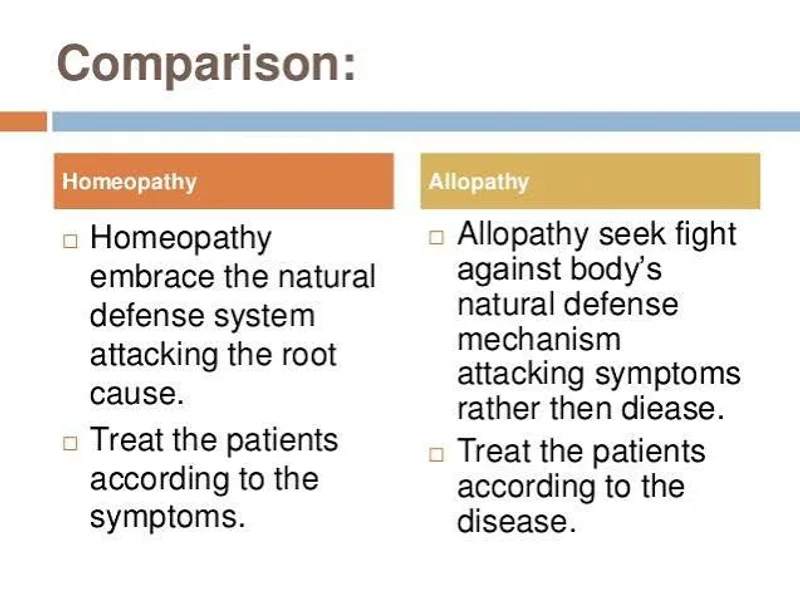
Allopathy — the formal term for conventional or modern medicine — works by identifying a disease through tests, then targeting its biological mechanism directly. A patient with high blood pressure gets a drug that relaxes blood vessels or slows the heart rate. The mechanism is traceable, the effect is measurable.
Homoeopathy, developed in the late 18th century by German physician Samuel Hahnemann, works on a completely different philosophy. It holds that "like cures like" — that a substance causing symptoms in a healthy person can cure similar symptoms in a sick one, when diluted to very high concentrations. These dilutions are so extreme that modern chemistry can detect no original molecule in most remedies.
That last point is where the scientific tension lives. Natural remedies and alternative treatments have a long history of being accepted or dismissed without careful examination. Homoeopathy deserves the same honest scrutiny.
What the Research Actually Shows
For Allopathy
Modern medicine has a robust evidence base for most chronic diseases. Conditions like Type 2 diabetes, hypothyroidism, hypertension, and rheumatoid arthritis have well-studied drug protocols with measurable outcomes. Patients taking antihypertensives, for instance, have documented reductions in stroke risk. That kind of endpoint data — mortality, hospitalisation, organ damage prevented — is what makes allopathy the dominant choice in clinical settings worldwide.
In clinical practice, this is often missed because patients only see the prescription at the end of a consultation — they don't see the decades of trial data that justified it. The drug feels arbitrary. It isn't.
If you are managing conditions like diabetes or thyroid disorders, a specialist endocrinologist can explain exactly what your medication is doing at a cellular level, and why skipping doses is dangerous. Similarly, a cardiologist managing hypertension has access to evidence that guides dosing decisions far beyond what any lifestyle change alone can achieve in moderate-to-severe cases.
For Homoeopathy
The evidence picture is genuinely mixed — and that's the honest version. Systematic reviews (studies that pool results from many trials) have generally found that homoeopathic remedies perform no better than placebo for most conditions when tested in rigorous, double-blind settings. The UK's National Health Service and the World Health Organisation have both issued cautious statements on this basis.
Yet millions of patients — including many educated ones — report real improvement. Some researchers point to a strong placebo response, the therapeutic benefit of long, attentive consultations, and lifestyle advice that often accompanies homoeopathic treatment. Others note that most trials testing homoeopathy have methodological flaws, making definitive conclusions hard. The debate continues, and that ambiguity is worth acknowledging rather than papering over.
If you're exploring alternative medicine approaches like Ayurveda or homoeopathy, it helps to understand what the science says rather than relying solely on word of mouth.
Where Chronic Disease Makes This Complicated
Chronic disease is different from an acute infection. A throat infection either resolves or doesn't within days — so the stakes of a wrong treatment choice are low. A chronic condition like arthritis, asthma, or inflammatory bowel disease plays out over years. Choosing the wrong approach — or delaying an evidence-based one — can mean irreversible joint damage, uncontrolled blood sugar, or permanent organ injury.
This is where the stakes are highest, and where the choice of treatment genuinely matters. An orthopaedic specialist managing chronic joint disease, for instance, will tell you that untreated inflammation doesn't just cause pain — it destroys cartilage that cannot be rebuilt. Waiting months on an alternative treatment to see if it "works" has a real cost in that context.
Similarly, respiratory specialists dealing with chronic asthma know that poorly controlled airway inflammation has long-term lung-function consequences. Delaying inhaled corticosteroids for an alternative approach is a decision that should be made with full awareness of what that delay might mean.
For conditions where the disease progression itself causes structural damage — think diabetes damaging kidneys, or hypertension weakening heart walls — allopathy's measurable mechanisms matter enormously. The biological progression doesn't pause while you try something else.
Where Homoeopathy Has a Genuine Role (and Where It Doesn't)
It would be intellectually dishonest to dismiss homoeopathy entirely just because its mechanism defies current science. Some patients with mild, functional complaints — chronic fatigue without identified cause, recurrent minor infections, certain skin conditions — report meaningful relief under homoeopathic care. Whether that is specific remedy action or a well-documented placebo response matters scientifically but may matter less to a patient who genuinely feels better.
What homoeopathy cannot credibly claim is disease-modifying action in progressive chronic conditions. It should not be used as the primary treatment for Type 1 diabetes, active rheumatoid arthritis, epilepsy, or any condition where the absence of effective treatment causes compounding harm. In those cases, even a sympathetic view of alternative medicine would say: use what works, and work with a qualified doctor to monitor your progress.
If you are specifically looking for Ayurveda practitioners or alternative medicine providers near you, Doctar can help you find credentialed practitioners, but always disclose your full treatment history to any new provider — including any conventional medications you're already taking.
Drug Interactions: The Hidden Risk Nobody Talks About Enough
One area where patients routinely underestimate the risk: combining homoeopathic or herbal treatments with conventional medications without telling their doctor. Homoeopathic remedies are usually highly diluted and unlikely to cause pharmacological interactions, but the herbs and supplements that often accompany alternative treatment plans can be a different story.
Certain herbal preparations can affect how the liver metabolises drugs — potentially making some medications more potent or less effective. If you're taking blood thinners, blood pressure drugs, or thyroid medication, this isn't a theoretical concern. It's a real one. Always tell your general physician everything you are taking, including any supplements.
For women managing conditions through pregnancy or hormonal changes, this matters even more. An OB-GYN or gynaecologist needs a full picture of all treatments before advising on what's safe during pregnancy or breastfeeding.
Making a Practical Decision
Most patients aren't choosing between systems in theory — they're trying to figure out what to do next Tuesday about a condition that's been bothering them for months. Here are a few practical questions worth asking, whoever you consult:
Is there objective evidence that this condition responds to this treatment? Not anecdotes, not testimonials — trials or systematic reviews. Your doctor should be able to tell you, and should be willing to say "the evidence is limited" when it is.
Is this a condition that progresses without treatment? If yes, delaying evidence-based care for any reason carries a real cost. For conditions like hypertension, natural approaches may help as adjuncts — but they rarely replace medication once blood pressure is persistently high.
Who is monitoring me? Both systems produce better outcomes when there's a doctor who knows your case, tracks your numbers, and adjusts your plan over time. Whether you see an allopathic GP or an alternative practitioner, ongoing monitoring matters. Doctar lets you book home visit doctors if getting to a clinic is a barrier.
For children, the stakes of delayed treatment are particularly high. A paediatrician should always be the primary point of contact for a child's chronic illness before any alternative treatment is tried.
The Integrative Approach: Is It Actually Viable?
Some patients do well combining the two — using allopathy to control disease progression and homoeopathy or Ayurveda for symptomatic support, stress management, or quality of life improvements. Integrative medicine is a legitimate field, and several reputable hospitals globally offer structured programmes. The key is transparency: both treating practitioners should know about each other's involvement.
If you're managing a complex chronic condition and want to explore this route, start with a multispecialty hospital or clinic that offers both conventional and complementary care under one roof. You can also book diagnostic tests to get baseline numbers before starting any new treatment — so you have an objective way to measure whether things are improving.
Managing blood sugar control, for instance, requires hard numbers — HbA1c, fasting glucose, kidney function markers. No approach to diabetes management, conventional or alternative, should be evaluated without these. The data tells you what opinions can't.
When to See a Specialist, Not Just a GP
This is worth saying plainly, because many chronic disease patients in India manage their conditions through self-medication or the same local doctor for years, without ever seeing the right specialist. If you have:
Uncontrolled diabetes despite current treatment — see an endocrinologist. Persistent joint pain or swelling — a rheumatologist or orthopaedist can identify inflammatory arthritis early, before joint damage sets in. Frequent breathlessness, asthma, or COPD — a pulmonologist's assessment of lung function gives you data your treatment should be based on. Recurring skin conditions — a dermatologist can distinguish between conditions that respond to topical treatment and those driven by autoimmune or systemic causes. Mood disturbances or anxiety running alongside a chronic illness — these are more connected than people realise, and a qualified mental health professional or psychiatrist is appropriate alongside physical disease management.
For neurological conditions, including headaches that don't respond to usual treatment, a neurologist can rule out conditions that look like chronic pain but have specific underlying causes requiring targeted treatment.