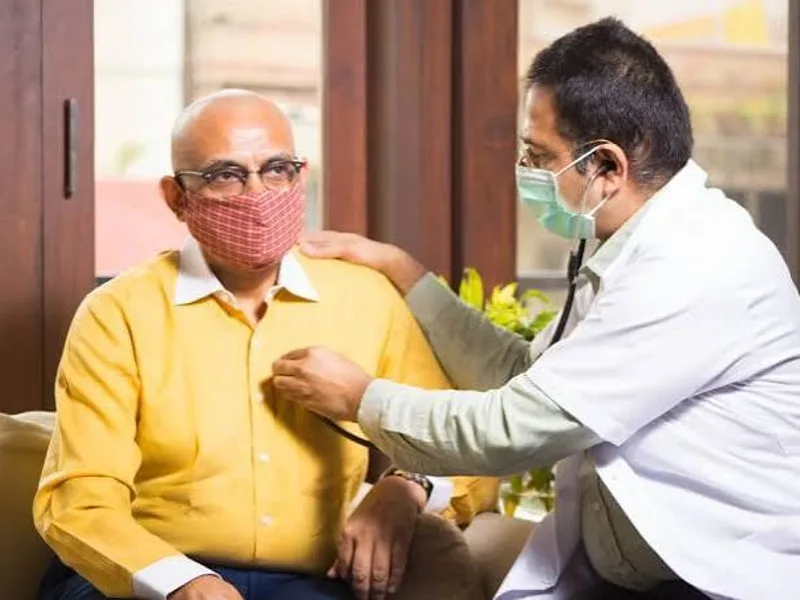
What does hospice care mean?
Hospice is a form of supportive care for people with an advanced, life-limiting illness when the focus of care has shifted toward comfort. Cancer is a common reason for hospice involvement, but hospice and palliative approaches can also be relevant to some people with advanced heart, lung, kidney or neurological disease.
Hospice is not the same as “giving up.” The goal changes from trying to control the disease at all costs to managing pain and other symptoms while supporting the person's physical, emotional and practical needs.
For families exploring cancer-related services, Doctar's oncologist directory can help identify oncology specialists by location. Doctar's hospital directory also includes facilities with palliative-care departments.
Hospice care and palliative care are not identical
The two terms are often used interchangeably, but they are not exactly the same.
Palliative care focuses on relieving symptoms and improving quality of life during serious illness. It can be provided while a person is still receiving treatment intended to control or treat the disease. Hospice generally comes later, when comfort-focused care becomes the main goal.
This distinction matters. A patient does not necessarily have to stop all medical treatment simply because palliative care has started.
Doctar's hospital directory allows users to filter facilities by specialties including Palliative Care Specialist and Pain Management Specialist, making it useful when families are comparing different types of supportive care.
What services can hospice provide?
Hospice care is broader than nursing alone. Depending on the organisation, services may include medical assessment, nursing visits, pain and symptom management, counselling, social support, spiritual care and assistance for family caregivers.
Some hospice programmes operate in dedicated facilities. Others provide care at home, allowing a person to remain in familiar surroundings when that is medically and practically appropriate.
Doctar describes its wider home healthcare services as including doctors, nurses, physiotherapists and other professionals for people managing chronic conditions, elderly care and recovery at home. That does not make every home-health service a hospice provider, but it can be useful when families need additional home-based support alongside specialist medical care.
When should a family consider hospice?
There is no single symptom that automatically means someone needs hospice. The decision depends on the underlying illness, expected course, treatment goals, symptoms and the wishes of the patient and family.
A doctor may raise hospice when an illness has become advanced and disease-directed treatment is no longer helping enough, is no longer wanted, or the focus has clearly shifted toward comfort.
Families do not need to wait until the final days of life to ask about supportive care. An early discussion can give everyone more time to understand the choices and plan around the patient's wishes.
If the person has cancer, speaking with an oncologist can be one route into that conversation. Doctar currently lists oncology specialists in Kolkata and other cities, although availability and profile information can change.
Pain management is only one part of hospice
Pain receives much of the attention, but serious illness can cause many other symptoms. Breathlessness, nausea, constipation, anxiety, confusion, poor appetite, weakness and sleep problems may all need attention.
Hospice teams generally look at the whole person rather than treating one symptom in isolation. The aim is to make day-to-day life as comfortable and manageable as possible.
For patients who need specialist input, Doctar's hospital search includes pain-management specialists among its searchable categories. Families can also discuss symptom control with the patient's existing physician or specialist.
Can hospice care be provided at home?
For many families, home is the preferred setting. Home hospice can reduce travel and allow relatives to remain close to the patient, provided the patient's medical needs can be safely managed there.
Home care still requires planning. Families should know who to call when symptoms change, whether a nurse can visit, how often a doctor reviews the patient and what happens outside normal visiting hours.
Doctar has a home-visit doctor directory and describes home-based services for patients who have difficulty travelling. However, a general home-visit doctor should not automatically be assumed to provide hospice-level care. Ask specifically about palliative and end-of-life services.
Nursing support can also be important. Doctar explains that its home healthcare services include nursing support for elderly people and those managing chronic conditions.
What does the family caregiver actually do?
Family caregivers often become the practical centre of home hospice care. They may help with meals, personal care, communication with clinicians, appointments and changes in symptoms.
That responsibility can become exhausting. Good hospice planning therefore includes the family rather than treating the patient as the only person who needs support.
Ask whether the provider offers caregiver education, emotional support, respite options or a 24-hour contact number. These details can matter just as much as the medical equipment.
In clinical practice, one issue is often missed
In clinical practice, families often focus on finding a bed or arranging a nurse and only later ask who will make decisions when the patient's condition changes.
That conversation should happen earlier. Families should know who the treating doctor is, whom to call after hours, which symptoms require urgent assessment and what the patient's own preferences are.
A clear plan can prevent panic during an already difficult moment.
How to choose hospice care near you
The closest hospice provider is not automatically the most suitable one. Start by asking whether the service can manage the patient's specific illness and symptoms.
Before enrolling, ask:
Is there a doctor experienced in palliative or end-of-life care?
Is nursing available at home?
How often can a clinician visit?
Is there an emergency or after-hours contact?
How are pain and other symptoms managed?
Can the service coordinate with the patient's existing specialists?
What equipment or medicines are provided?
What costs are included?
Does the service support family caregivers?
What happens if the patient's condition suddenly worsens?
Doctar's About page explains that the platform lets patients compare healthcare professionals and hospitals using information such as qualifications, experience and patient reviews. Use those profiles as a starting point, then confirm services directly with the provider.
Cancer patients may need coordinated care
For people with advanced cancer, hospice or palliative care may need to work alongside oncology services. The cancer team may still be involved in decisions about symptoms, treatment and goals of care.
For example, Doctar lists Ranchi Cancer Hospital and Research Centre with palliative care, pain management, rehabilitation and supportive cancer-care departments.
Another Doctar-listed facility, Jharkhand Cancer Center in Ranchi, describes palliative care and cancer pain management among its services.
These listings show why it is worth looking beyond the phrase “hospice near me.” A cancer centre with palliative services may sometimes be more appropriate than a standalone facility, depending on the patient's needs.
Home visits can be useful for patients who cannot travel
Travel can become difficult when someone is weak, has advanced disease or depends heavily on family assistance. Home medical visits may reduce that burden.
Doctar lists home-visit doctors and explains that home healthcare can include doctors, nurses and allied professionals. Families should confirm whether the individual provider has experience with serious illness and end-of-life care rather than assuming a routine home visit is equivalent to hospice care.
For patients who need rehabilitation or mobility support, Doctar also provides home-visit physiotherapy services. This may be relevant in selected cases, although physiotherapy is supportive care and is not itself hospice care.
What about elderly patients?
Older adults may have several health problems at once, which can make care decisions complicated. A person may have heart disease, lung disease, dementia, kidney problems or cancer, and the priorities may change over time.
A geriatric medicine specialist can be useful when several age-related conditions need to be considered together. Doctar's hospital directory includes geriatric medicine among its searchable specialties.
For some families, a general physician can also coordinate care. Doctar lists physicians such as Dr. Dip Chattopadhyay in Kolkata, although his profile currently states that home visits are not available, showing why families should check the current service details before booking.
Hospice does not mean abandoning medical care
A common misconception is that choosing hospice means the patient will receive no medical attention. The opposite is closer to the purpose of hospice: medical attention continues, but the goals change.
The focus becomes comfort, dignity, symptom control and support for the patient and family. Decisions should be based on the person's wishes and discussed with the treating healthcare team.
Doctar also states in its terms that it is a healthcare discovery and booking platform rather than a medical provider. Families should therefore treat Doctar listings as a way to identify potential services and verify the actual care arrangement directly with the provider.
When immediate medical care is needed
Hospice and palliative services are not substitutes for emergency treatment when an acute medical crisis occurs and emergency intervention is consistent with the patient's care goals.
Severe breathing difficulty, uncontrolled bleeding, loss of consciousness, a new seizure or another rapidly worsening condition may require urgent medical assessment. Families should follow the emergency plan provided by the patient's healthcare team.
If the patient has an advance care plan or documented treatment preferences, keep those documents accessible and tell family members where they are.