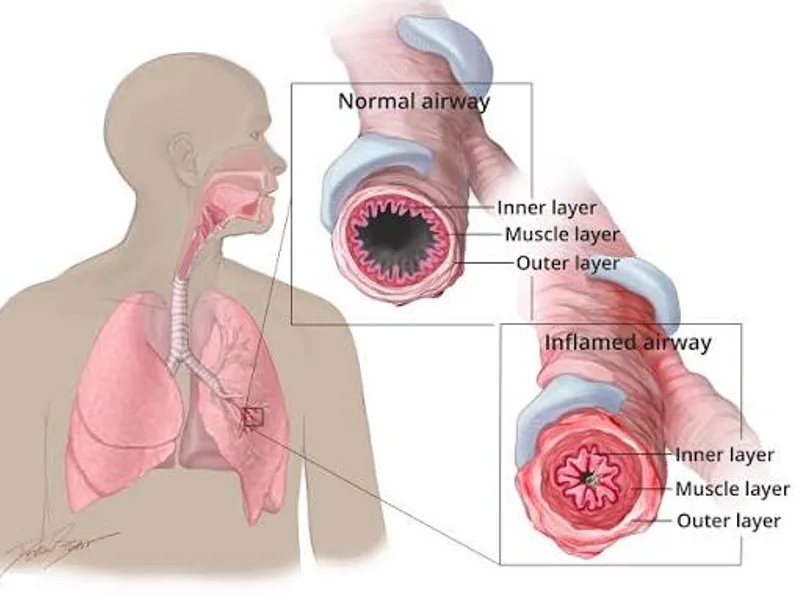
Asthma lasts a lifetime as a condition, but individual attacks can end within minutes. Mild episodes may last only a few minutes; more severe ones can last from hours to days. The answer depends entirely on which part of asthma you're asking about: the acute attack, the broader flare-up, or the condition's overall course through your life.
Understanding all three timelines matters — because they call for very different responses.
How Long Does a Single Asthma Attack Last?
An asthma attack — the sudden tightening of the airways with wheezing, coughing, and breathlessness — has a wide range. The duration of an attack can vary depending on what caused it and how long the airways have been inflamed. Mild attacks can resolve spontaneously or may require medication, typically a quick-acting inhaler.
Mild attacks sometimes only last a few minutes, while severe flare-ups can last for days with waxing and waning symptoms. The attack length often depends on how severe the inflammation is and how the patient responds to treatment. American College of Allergy Asthma and Immunology
What causes that variation? The trigger matters enormously. An attack set off by cold air or brief exercise exposure tends to settle once you're away from the trigger. One triggered by a respiratory infection is a different situation entirely.
[REVIEWER: add clinical insight here — e.g., how you counsel patients on recognizing when an attack is not resolving normally, and at what point you advise them to stop waiting and seek care]
How Long Does an Asthma Flare-Up Last?
A flare-up is broader than a single attack. It refers to a period of worsening symptoms that may include multiple episodes over several days.
Mild flare-ups are usually short-lived, often resolving within a few minutes to a few hours once the person is removed from the trigger or uses a rescue inhaler. While the acute attack may pass quickly, underlying airway inflammation can persist for several days or even weeks, especially if triggered by a viral infection or severe allergen exposure. Home Health
The virus connection is significant. Asthma symptoms caused by a respiratory infection may last for several days to weeks, and regular asthma medications may fail to relieve asthma symptoms associated with a cold or the flu. That means the usual rescue inhaler may feel less effective — not because it's failing, but because viral-triggered inflammation is a different beast. Global Allergy Patients PlatformGlobal Allergy Patients Platform
Studies show that asthma attacks typically last about a week. About 25 percent of people have attacks that last longer than seven days. Liv Hospital
If a flare-up is still going after a few days, or symptoms aren't improving with your usual medication, that's when to call your doctor — not wait it out.
What Factors Make Asthma Episodes Last Longer?
Several things can extend the duration of an attack or flare-up:
The trigger type. Brief, avoidable triggers like cold air resolve faster than prolonged ones like a week-long viral infection or constant allergen exposure in the home.
Treatment timing. Without treatment, attacks will continue seemingly without end — the earlier you receive help, the sooner your symptoms will dissipate. American College of Allergy Asthma and Immunology
Airway inflammation levels. The more inflamed the airways going into an episode, the longer it tends to run. People with poorly controlled asthma — where background inflammation is already high — tend to have longer, more severe attacks.
Medication adherence. Missing controller medication (the daily preventer, not just the rescue inhaler) means your airways are more reactive to begin with, setting up longer episodes when a trigger hits.
Does Asthma Last Forever? The Lifelong Picture
Here is where the answer gets more nuanced. Asthma rarely goes away on its own — it is a chronic airway disease. But symptoms can enter remission for years, especially after mild childhood asthma. Universal Drugstore
The key distinction is remission versus cure. Asthma remission means going 12 months or longer without symptoms or needing corticosteroid medications, as well as showing improved lung function tests. Remission means the disease is being well-managed, not cured. nih
In other words: quiet airways are not the same as cured airways. The underlying tendency toward inflammation is still there, even when life feels completely normal.
Can Children Outgrow Asthma?
This is one of the most common questions parents ask — and the answer is complicated. It is a misconception that all children outgrow their asthma. According to the American College of Allergy, Asthma & Immunology, children may experience remission from asthma as adults, but about one-third of children with asthma will have symptoms as adults. Truneb
Children with milder, less frequent symptoms stand the best chance of entering long-term remission. In a Dutch cohort of children with asthma followed into their second and third decades, symptoms returned to at least partial remission in 52% of patients. However, only a minority — 42% — had complete remission and normal respiratory function. nih
Even for children who do enter remission, the story may not end there. Childhood asthma can relapse during adolescence or adulthood, especially with trigger exposure. Allergens, respiratory infections, smoke, pollution, exercise, and stress can all reactivate symptoms. nih
What About Remission in Adults?
Adult-onset asthma is generally less likely to enter remission than childhood asthma. Longitudinal studies conducted in adults show a remission rate of around 20% of subjects over a 10-year period, with a higher percentage of remission among people with milder disease. Liv Hospital
A large peer-reviewed study of nearly 7,000 people found a notably lower figure: only 6% reportedly entered remission within 10 years. The variation between studies reflects differences in how remission is defined and measured — but the consistent finding is that severe asthma remission is uncommon and that the condition requires ongoing management. Truneb
A 6-year prospective study published in NCBI/PubMed found that among patients with mild-to-moderate asthma, 65% achieved long-term remission, compared to only 16% of those with severe asthma. nih
The practical conclusion: disease severity is the single biggest predictor of whether remission is achievable — which is why keeping asthma well-controlled from the start matters.
[REVIEWER: add clinical insight here — e.g., what you tell patients who ask if their asthma will ever go away, and how you set realistic expectations around remission vs. cure]
FAQ
How long does an asthma attack last?
An asthma attack can last a few minutes if mild, or hours to days if severe. The duration depends on the trigger and how long the airways have been inflamed. Rescue inhalers can shorten mild attacks. Severe attacks that don't respond to medication need emergency care. Mayo Clinic
Can asthma go into remission?
Yes. Asthma remission is defined as going 12 months or longer without significant symptoms or the use of corticosteroid medications, alongside improved lung function. Remission is more common in people with mild disease and in children, but it's not a permanent cure — symptoms can return. nih
Does childhood asthma go away permanently?
Not always. About one-third of children with asthma will continue to have symptoms as adults. Those with milder, infrequent symptoms have the best odds of remission, but even they can see symptoms return in adulthood after trigger exposure. Truneb
How long does a viral-triggered asthma flare last?
Longer than most. Asthma symptoms caused by a respiratory infection can last several days to weeks, and standard rescue medication may be less effective during this period. Contact your doctor if symptoms aren't improving after a few days of a cold or flu. Global Allergy Patients Platform
Is there a cure for asthma?
No. There is no permanent cure for asthma — treatment controls symptoms. Think in terms of remission, not cure. With proper management, many people live fully active lives with well-controlled asthma. Universal Drugstore
Practical Takeaway
The timeline for asthma operates on three levels: a single attack (minutes to days), a flare-up (days to weeks), and the condition itself (lifelong, but often manageable). Remission is real — especially for children and people with mild disease — but it's not a cure, and symptoms can return. The best strategy is consistent management: know your triggers, take controller medication as prescribed, and keep an updated asthma action plan with your doctor. Don't assume a quiet period means the condition is gone.