Preventing asthma attacks in someone already diagnosed is achievable through trigger avoidance, medication adherence, and a written action plan. Preventing asthma from developing in the first place is harder, since genetics play a significant role, though certain early-life factors do appear to influence risk. These are two different goals, and it's worth being clear about which one applies to you.
Can Asthma Actually Be Prevented?
Asthma results from a combination of genetic susceptibility and environmental exposure, and having a parent with asthma or allergies substantially raises a child's risk. Because of this genetic component, asthma can't be fully prevented in someone predisposed to it. What research does support is that certain exposures and habits, especially early in life, are associated with lower risk.
This means prevention efforts fall into two categories: reducing the odds of developing asthma in the first place, and — for those already diagnosed — preventing individual attacks.
Factors Linked to Lower Risk of Developing Asthma
Several factors are associated with reduced asthma risk in children, based on population-level research:
Breastfeeding, which has been linked in some studies to a lower risk of childhood asthma and wheezing disorders
Avoiding tobacco smoke exposure during pregnancy and early childhood, since prenatal and secondhand smoke exposure are established risk factors
Reducing early exposure to air pollution, particularly near high-traffic areas
Managing maternal health conditions, including obesity and poorly controlled asthma during pregnancy
Early, varied food introduction, which some research links to a reduced risk of allergic conditions, though this remains an active area of study
[REVIEWER: add clinical insight here — for example, what you tell expecting parents with a family history of asthma about realistic risk-reduction steps, or how you frame this conversation without creating unnecessary guilt.]
None of these factors guarantee prevention, and asthma can still develop despite every precaution — genetics remain the dominant factor.
Preventing Attacks When You Already Have Asthma
For people already diagnosed, prevention shifts to keeping the airways calm and avoiding known triggers. The most effective strategies include:
Taking controller medication consistently, even when symptoms feel absent, since inflammation can persist below the symptom threshold
Identifying personal triggers through symptom tracking, and reducing exposure where possible
Getting an annual flu vaccine, since respiratory infections are a leading trigger for flare-ups
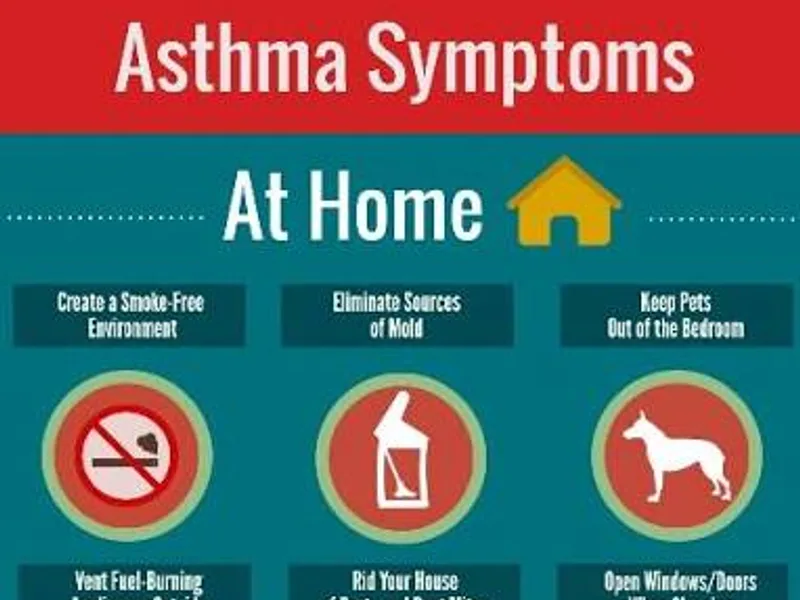
Managing indoor allergens, such as dust mites, mold, and pet dander, through regular cleaning and humidity control
Avoiding tobacco smoke and strong irritants, including secondhand smoke, strong perfumes, and cleaning product fumes
Warming up before exercise and, if prescribed, using a rescue inhaler beforehand for exercise-induced symptoms
Consistency with controller medication is one of the most well-supported prevention steps, since stopping treatment once symptoms improve is a common reason for flare-ups to return.
Reducing Allergen Exposure at Home
Since allergens are among the most common asthma triggers, home environment changes make a meaningful difference for many people:
Wash bedding weekly in hot water to reduce dust mites
Use allergen-proof covers on mattresses and pillows
Keep indoor humidity below 50% to limit mold growth
Vacuum with a HEPA filter regularly
Keep pets out of bedrooms if pet dander is a known trigger
Address any water damage or visible mold promptly
[REVIEWER: add clinical insight here — for example, which single home modification you find patients get the most benefit from, or how you help patients prioritize when they can't address every trigger at once.]
The Role of Vaccination and Infection Prevention
Respiratory infections, including colds, flu, and COVID-19, are among the most common triggers for asthma flare-ups, particularly in children. Staying current on recommended vaccinations, along with routine handwashing during peak illness seasons, reduces the frequency of infection-triggered attacks.
Preventing Exercise-Induced Symptoms
Exercise is a common trigger, especially in cold or dry air, but it shouldn't be avoided altogether, since regular activity supports overall lung health. Steps that help include:
Warming up gradually before intense activity
Breathing through the nose when possible in cold weather, or covering the mouth and nose with a scarf
Using a prescribed rescue inhaler 10–15 minutes before exercise, if recommended by a doctor
Choosing activities less likely to trigger symptoms, such as swimming in warm, humid air, if outdoor exercise is consistently problematic
When Prevention Efforts Aren't Enough
Even with careful trigger avoidance and consistent medication use, some people continue to experience frequent flare-ups. This usually signals that the treatment plan needs adjustment rather than that prevention has "failed" — asthma severity can change over time, and treatment steps are meant to be revisited, not fixed permanently.
FAQ
Can asthma be completely prevented? Not entirely. Genetics play a major role in who develops asthma, so it can't be fully prevented in someone predisposed to it. Certain early-life factors, like avoiding tobacco smoke exposure, are linked to lower risk but don't guarantee prevention.
Does breastfeeding prevent asthma in babies? Some research links breastfeeding to a lower risk of childhood asthma and wheezing disorders, though it isn't a guarantee. It's one of several early-life factors associated with reduced risk rather than a standalone preventive measure.
How can I prevent asthma attacks at night? Nighttime attacks are often linked to allergens in the bedroom, so using allergen-proof bedding covers, controlling humidity, and keeping pets out of the bedroom can help. Taking controller medication consistently also reduces overnight symptom flares.
Can exercise trigger asthma, and should I avoid it? Exercise can trigger symptoms, especially in cold air, but avoiding it isn't recommended since regular activity supports lung health. Warming up beforehand and using a prescribed rescue inhaler in advance typically allows most people with asthma to exercise safely.
Does air pollution increase asthma risk? Yes. Both early-life and ongoing exposure to air pollution, particularly near high-traffic roads, is linked to increased asthma risk and worse symptom control in people who already have the condition.
Practical Takeaway
If you already have asthma, the biggest prevention lever isn't avoiding every possible trigger — it's staying consistent with controller medication even when you feel fine. That single habit does more to prevent flare-ups than most environmental changes combined.