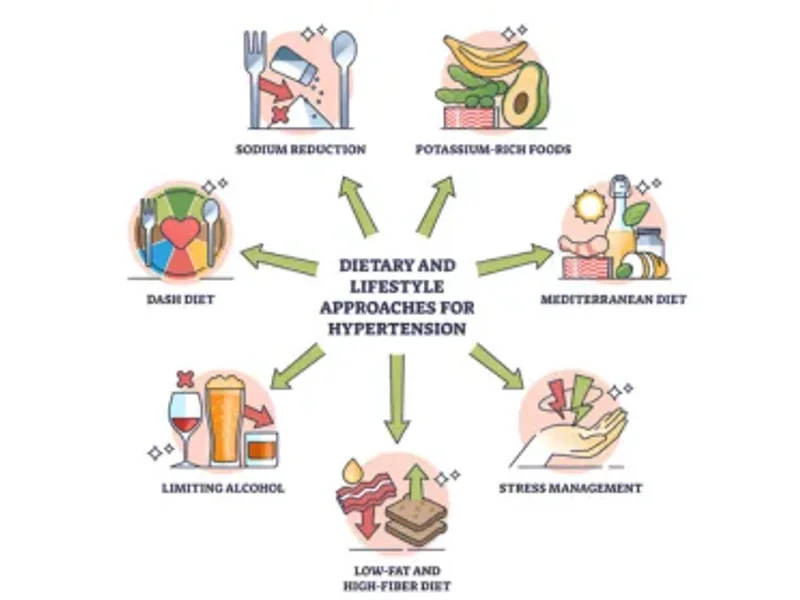
How to prevent hypertension, in short
Preventing hypertension centers on a small set of well-supported habits: maintaining a healthy weight, staying physically active, eating a lower-sodium and potassium-rich diet, limiting alcohol, and not smoking. The CDC notes that many of the risk factors for high blood pressure are within a person's control, and because hypertension typically causes no symptoms, prevention through healthy habits — combined with regular blood pressure checks — matters more than waiting for warning signs that may never come.
[REVIEWER: add clinical insight here — e.g., which prevention habit you find patients are most likely to sustain long-term]
Why prevention matters more than it might seem
High blood pressure is often called a "silent killer" because it usually causes no symptoms, even as it quietly damages arteries and organs over years, according to the American Heart Association. That silence is exactly why prevention deserves attention before a diagnosis, not just after one — by the time symptoms might appear, if they ever do, meaningful damage may already have occurred.
The CDC frames this directly: preventing high blood pressure lowers the risk of the serious health problems that follow from it, including heart attack and stroke, which are among the leading causes of death in the United States. Since blood pressure has no reliable warning signs, prevention through lifestyle and regular monitoring is the primary tool available, rather than symptom-watching.
Maintaining a healthy weight
Body weight and blood pressure are closely linked, and weight management is consistently listed among the top modifiable factors for preventing hypertension. Extra weight increases the workload on the heart and blood vessels, and it raises the risk of sleep apnea, a condition that itself contributes to high blood pressure.
Staying physically active
Regular physical activity strengthens the heart and helps blood vessels function more efficiently, which supports healthy blood pressure over time. The Physical Activity Guidelines for Americans recommend adults get at least two and a half hours of moderate-intensity exercise a week — about 30 minutes a day, five days a week — which can include brisk walking, cycling, or other cardiovascular activity, and doesn't need to happen all at once to count.
Eating a lower-sodium, potassium-rich diet
Diet is one of the most direct levers for prevention. Choosing a variety of vegetables, fruits, and foods rich in potassium, fiber, and protein — while eating less sodium and saturated fat — supports healthy blood pressure and protects against heart disease more broadly. The DASH diet (Dietary Approaches to Stop Hypertension), developed by the National Heart, Lung, and Blood Institute, is the most extensively studied eating pattern for this purpose and works for prevention as well as treatment.
Potassium specifically helps counteract some of sodium's blood-pressure-raising effect, which is part of why prevention guidance emphasizes adding potassium-rich foods — not just cutting sodium in isolation.
[REVIEWER: add clinical insight here — e.g., practical ways you help patients reduce sodium without feeling deprived]
Limiting alcohol and not smoking
Alcohol has a measurable effect on blood pressure at higher intake levels. General guidance suggests limiting alcohol to no more than two drinks a day for men and one for women, for heart health broadly, not just blood pressure specifically.
Smoking is separately and independently linked to higher blood pressure and broader cardiovascular risk. Quitting — or never starting — is one of the highest-impact single changes available for both blood pressure and overall heart disease prevention, and it's worth discussing cessation support with a doctor if quitting has been difficult in the past.
Getting enough sleep
Chronic sleep deprivation is associated with a higher risk of developing high blood pressure over time. Getting 7 to 9 hours of quality sleep most nights is part of standard prevention guidance, alongside diet, activity, and substance-related factors.
Managing risk factors you can't change
Not every hypertension risk factor is modifiable. Age, family history, and race all influence risk — high blood pressure is particularly common among Black adults and tends to develop earlier in that population, according to Mayo Clinic. These aren't things prevention habits can eliminate, but they're reasons to be more attentive to modifiable factors and blood pressure monitoring if they apply to you, rather than a reason to skip prevention altogether.
Why regular blood pressure checks are part of prevention
Because hypertension has no reliable symptoms, checking blood pressure is the only way to know whether prevention efforts are working — or whether blood pressure has started rising despite them. The CDC identifies measuring blood pressure regularly as a core step in both preventing and managing high blood pressure, not just something that starts after a diagnosis.
Mayo Clinic recommends blood pressure checks at least every two years starting at age 18, with more frequent checks for anyone with risk factors or a previous elevated reading. Home blood pressure monitors make it possible to track trends between checkups, which can catch a gradual upward trend before it becomes a diagnosis.
A practical takeaway
Pick two prevention habits to focus on this month rather than trying to change everything at once — a daily 30-minute walk and cutting back on processed, high-sodium foods are a well-supported starting pair. Get your blood pressure checked if it's been more than two years, or sooner if you have risk factors like a family history of hypertension, and track it over time rather than relying on how you feel, since feeling fine tells you very little about your actual numbers.
FAQ
Can hypertension be prevented? For many people, yes, at least partially. Modifiable factors like weight, physical activity, sodium intake, alcohol use, and smoking all influence risk, and addressing them lowers the likelihood of developing hypertension, according to the CDC — though non-modifiable factors like age and family history also play a role.
What is the best way to prevent high blood pressure? No single change prevents hypertension on its own; the CDC and AHA point to a combination of maintaining a healthy weight, regular physical activity, a lower-sodium and potassium-rich diet, limited alcohol, and not smoking as the core evidence-based prevention strategies.
How often should I get my blood pressure checked to catch problems early? Mayo Clinic recommends checks at least every two years starting at age 18, with more frequent monitoring for people with risk factors or previous elevated readings. Since hypertension usually causes no symptoms, regular checks are the main way early increases get caught.
Does family history mean I'll definitely get high blood pressure? No. Family history raises risk but doesn't guarantee hypertension will develop. It's a reason to pay closer attention to modifiable factors and blood pressure monitoring, not a fixed outcome.
Can diet alone prevent hypertension? Diet plays a major role, but prevention works best as a combination of factors — diet, physical activity, weight management, and avoiding smoking and excess alcohol together, rather than any one change in isolation.