Why malaria prevention is still a daily concern in 2026
Malaria isn't a disease of the past. It's still transmitted by the female Anopheles mosquito, which bites mostly between dusk and dawn, and it remains a real risk in many parts of India, especially during and after the monsoon. Standing water, warm temperatures, and crowded housing all create ideal breeding conditions.
Here's the thing most people get wrong: they think prevention means just "avoiding mosquito bites." It's broader than that. Real prevention combines physical barriers, chemical protection, environmental control, and — for certain groups — medication. Miss one layer, and the others have to work twice as hard.
Start with the mosquito, not the medicine
Before anything else, cut down where mosquitoes breed. Anopheles mosquitoes need still water to lay eggs — a clogged drain, an uncovered water tank, even a forgotten flowerpot saucer can become a breeding site within a week.
A few things that genuinely help:
Empty and scrub water containers weekly, don't just refill them.
Keep water tanks and coolers covered tightly.
Fix leaking taps and pipes — even a slow drip creates a puddle over time.
Use larvicide in areas where standing water can't be removed (municipal ponds, construction pits).
In clinical practice, this is often missed because people focus entirely on repellents and forget that the mosquito population around their home is the actual source of risk. You can spray all you want indoors, but if the building next door has an open water tank, you're still exposed every evening.
Protect yourself physically, every single day
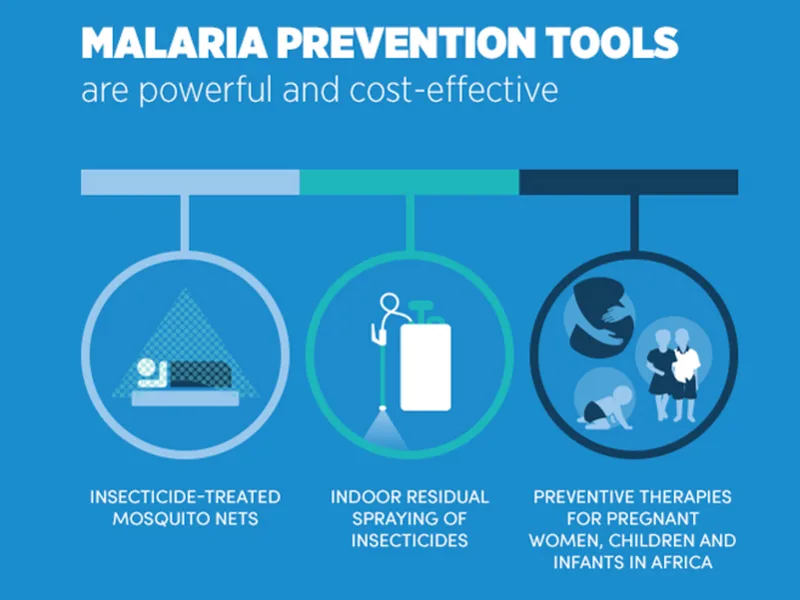
This sounds basic, but consistency is where most people fail. A mosquito net used only "on bad nights" doesn't do much. The nets that work are insecticide-treated ones, used every night, tucked in properly under the mattress.
During peak biting hours — early evening through early morning — long sleeves and full-length trousers reduce exposed skin. It's not glamorous advice, and in hot weather it's genuinely uncomfortable, but it's one of the few interventions with strong, consistent evidence behind it.
Window and door screens matter more than people give them credit for. If your home doesn't have them, even basic mesh installed on windows cuts down indoor mosquito entry significantly.
Repellents: what actually works and what doesn't
DEET-based repellents remain the most studied and reliable option for skin application. Picaridin is a solid alternative for people who find DEET irritating. Whatever you choose, reapply according to the label — repellents wear off faster than most people assume, especially with sweat.
Plug-in vaporizers and mosquito coils help indoors but shouldn't be your only line of defense, particularly in poorly ventilated rooms. If you're using a coil overnight in a closed bedroom, ask a general physician about safer alternatives, especially for children or anyone with respiratory issues.
Preventive medication: not for everyone, but critical for some
If you're travelling to a high-transmission region, antimalarial prophylaxis (preventive medicine taken before, during, and after the trip) can be genuinely life-saving. The specific drug and dosage depend on the region you're visiting, your health history, and how long you're staying — this is not something to self-prescribe from an online chart.
Pregnant women are at particularly high risk of severe complications from malaria, both for themselves and the pregnancy. Anyone pregnant and living in or travelling to an endemic area should speak with a gynecologist before making any travel or medication decisions.
Children are another group where prevention needs extra care — their symptoms can escalate faster than in adults. A pediatrician can advise on age-appropriate repellents and, where needed, preventive dosing.
Know the symptoms — and don't wait too long
Fever, chills, sweating, headache, and body aches are the classic signs, usually appearing 7 to 30 days after a bite from an infected mosquito. The tricky part? Early malaria can look exactly like a common viral fever, which is why so many cases get missed or delayed in the first few days.
If you've had a fever for more than 24-48 hours, especially after time spent in a malaria-prone area, don't wait it out. Get a blood test. A diagnostic center can run the rapid test or blood smear that confirms malaria within hours, not days. Guessing based on symptoms alone isn't reliable enough for a disease that can progress quickly in some cases.
When to seek care immediately
Some symptoms need urgent attention, not a wait-and-see approach: confusion, difficulty breathing, repeated vomiting, seizures, or unusually dark urine. These can signal severe malaria, which progresses fast and needs hospital-level care.
If you or a family member shows any of these signs, head to emergency services or call for an ambulance rather than waiting for a regular appointment. For milder but persistent fevers, booking with a doctor near you the same day is a reasonable middle ground.
Recovering at home, safely
Once diagnosed and treatment has started, most uncomplicated cases are managed with rest, fluids, and prescribed medication rather than hospitalization. A home visit doctor can be useful here, particularly for elderly patients or anyone who finds travel difficult while unwell. If injections or monitoring are needed at home, a nurse or compounder can support day-to-day care.
Nutrition matters more during recovery than people realize — appetite often drops with fever, but the body needs fluids and light, energy-dense food to recover well. If weight loss or prolonged weakness becomes a concern, a dietitian can help rebuild a proper eating plan, and a physiotherapist can help once fatigue lingers into the following weeks.
Getting medicines and follow-up care
Antimalarial medication should be taken exactly as prescribed and for the full course, even after symptoms improve — stopping early is one of the more common reasons for relapse. Most pharmacies stock standard antimalarials, though availability can vary by region, so it's worth checking ahead if you're in a smaller town.
Follow-up isn't optional. A second blood test a week or two after treatment confirms the parasite is actually cleared, not just that symptoms have faded.
Find care near you
Doctar lists verified doctors across major Indian cities, so getting a same-day consultation doesn't have to mean waiting. Whether you're in Delhi, Mumbai, Kolkata, Bangalore, Chennai, Jaipur, or elsewhere, you can search doctors nationwide or check hospitals near you for admission-level care. For a wider look at how the platform works, see About Doctar, and browse more health explainers on the Doctar blog.