Hypertension is extremely common in elderly people — roughly two-thirds of adults 65 and older have it, and it's treated somewhat differently than in younger adults because of factors like frailty, other health conditions, and the risk of falls from overly aggressive treatment. Current guidelines recommend treatment for most adults 65 and older with blood pressure at or above 130/80 mmHg, but how aggressively to treat is often individualized.
Here's how hypertension in older adults differs from hypertension earlier in life, and what current guidelines actually recommend.
How Common Is It?
Hypertension is the most common chronic condition among Americans 85 and older, affecting roughly 69% of women and 64% of men in that age group. More broadly, in the U.S., 3 out of 4 people will develop hypertension at some point in their lifetime, and older adults represent the group at the highest overall risk.
[REVIEWER: add clinical insight here — e.g., how the presentation or patient concerns around hypertension tend to differ in your older patients compared with younger ones.]
Why Isolated Systolic Hypertension Is So Common With Age
As people age, arteries naturally become stiffer, which tends to raise the top number in a blood pressure reading (systolic pressure) more than the bottom number (diastolic pressure). This pattern — a high systolic reading with a normal or even low diastolic reading — is called isolated systolic hypertension, and it's a particularly common form of high blood pressure in adults older than 65.
This matters because it changes what a "normal-looking" blood pressure reading might miss. A diastolic number in a healthy range doesn't rule out hypertension in an older adult if the systolic number is elevated.
What Current Treatment Guidelines Recommend
The 2017 American College of Cardiology/American Heart Association hypertension guidelines recommend treating community-dwelling older adults (65 and up) with an average systolic reading of 130 mmHg or higher, or diastolic of 80 mmHg or higher, using a combination of lifestyle changes and medication, with a target of under 130/80 mmHg.
That target isn't applied uniformly, though. For older adults with a high burden of other health conditions and limited life expectancy, the guidelines call for clinical judgment, patient preference, and a team-based approach to weigh the risks and benefits of more intensive blood pressure lowering, rather than treating everyone to the same number.
Most clinical guidelines recommend a "start low, go slow" approach to starting blood pressure medication in older adults — beginning with lower doses and adjusting gradually, with frailty and other existing conditions guiding which specific medication is chosen. This isn't overcaution for its own sake: research has found that more intensive blood pressure lowering in adults 80 and older doesn't clearly increase the risk of falls, fainting, or electrolyte problems compared with a standard target, but it has been linked to a higher risk of significant kidney function decline, particularly in people with pre-existing chronic kidney disease.
This is a genuine trade-off, not a one-size-fits-all answer. It's part of why treatment plans in this age group tend to be individualized rather than formulaic.
[REVIEWER: add clinical insight here — e.g., how you personally weigh blood pressure targets against fall risk or frailty when treating older patients.]
Thiazide diuretics are commonly used as a first-line medication option in older adults, alongside renin-angiotensin system blockers and calcium channel blockers, all of which have shown cardiovascular benefit in this age group in clinical research.
Lifestyle Measures Still Matter
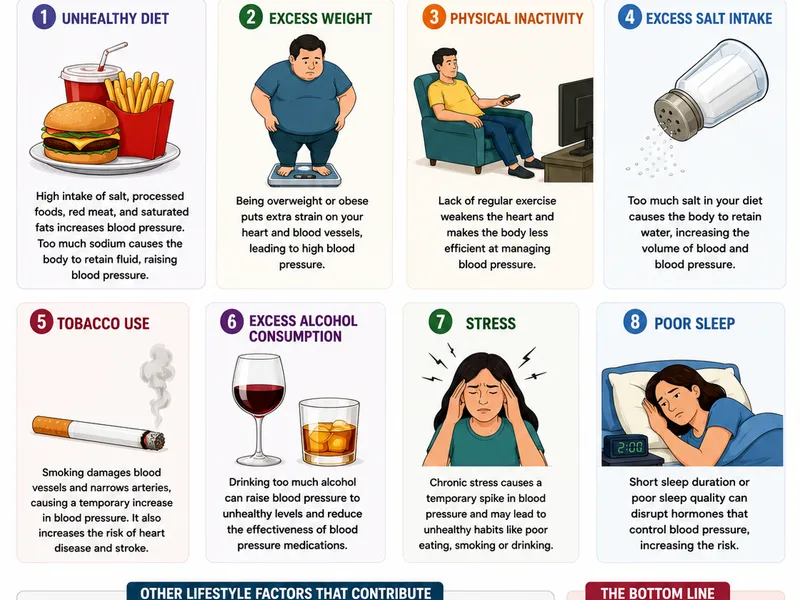
Non-drug approaches — weight management if needed, limiting sodium and alcohol, regular physical activity, and a diet rich in fruits and vegetables — remain a recommended part of managing hypertension in older adults, both to lower blood pressure directly and to reduce how much medication is ultimately needed. These lifestyle interventions are effective but can be genuinely harder to start and maintain consistently in older age, which is part of why professional support and structured counseling programs are sometimes recommended alongside them.
What Makes This Age Group More Complex
A few factors specifically shape how hypertension is managed in older adults:
Frailty. More frail patients may not tolerate the same blood pressure targets or medication doses as healthier peers of the same age.
Multiple health conditions. Chronic kidney disease, diabetes, and cardiovascular disease frequently coexist with hypertension in older adults and influence which medications are chosen and which targets are appropriate.
Fall risk. Blood pressure medications, particularly at higher doses, can occasionally contribute to dizziness or fainting, which carries more serious consequences in older adults than in younger ones.
Life expectancy and patient priorities. For some older adults, especially those with limited life expectancy, the conversation shifts from strict number-based targets toward what meaningfully supports quality of life.
Frequently Asked Questions
What blood pressure is considered normal for elderly people? Current guidelines generally recommend a target under 130/80 mmHg for most community-dwelling older adults, similar to younger adults, though this target may be adjusted for those with significant frailty or multiple health conditions.
Why do older adults often have high systolic but normal diastolic blood pressure? This pattern, called isolated systolic hypertension, happens because arteries naturally stiffen with age, which raises systolic pressure more than diastolic pressure. It's one of the most common forms of hypertension in people over 65.
Is it riskier to lower blood pressure too much in elderly patients? Aggressive blood pressure lowering can carry different trade-offs in older adults, including a possible increased risk of kidney function decline in some studies, which is why doctors often use a cautious, gradual approach and individualize targets based on overall health.
Can lifestyle changes alone control hypertension in older adults? Lifestyle changes — weight management, reduced sodium and alcohol, regular activity — remain an important part of treatment and can reduce how much medication is needed, but many older adults with hypertension also require medication to reach recommended targets.
Does everyone over 65 need blood pressure medication? Not automatically. Treatment decisions weigh blood pressure readings alongside frailty, other health conditions, and personal priorities, meaning two people of the same age with similar readings may be treated somewhat differently.
The Takeaway
If you're managing hypertension in yourself or an older family member, the numbers on the cuff are only part of the picture — frailty, other health conditions, and personal priorities all factor into what target actually makes sense. That's worth bringing up directly with a doctor rather than assuming a single standard number applies the same way it might for a 40-year-old.