Immunotherapy Tumor Response Boost: What's New
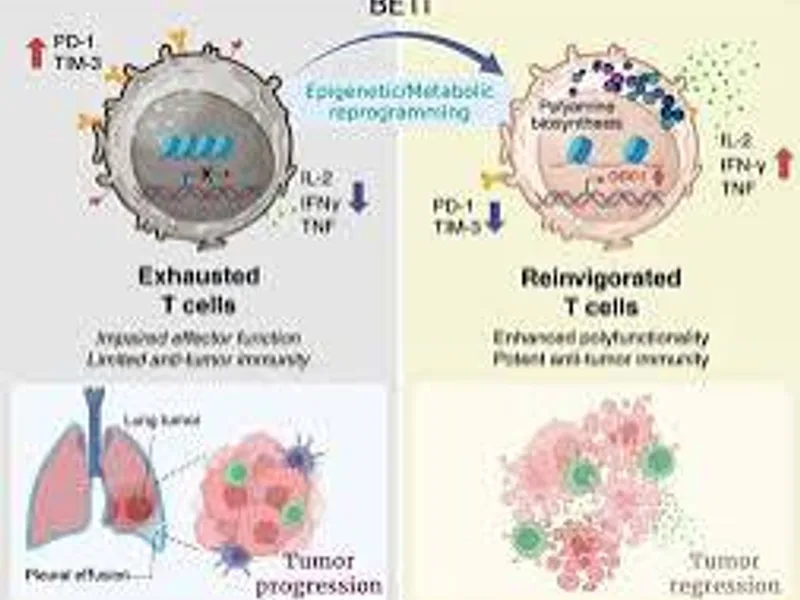
Immunotherapy sounds almost too simple when you first hear about it. Instead of poisoning cancer cells directly like chemotherapy does, it wakes up your own immune system and lets it do the killing. The problem is, it doesn't wake up everyone's immune system equally well, and figuring out why has become one of the busiest corners of cancer research.
Some patients on drugs like pembrolizumab or nivolumab see their tumors shrink dramatically. Others see almost nothing happen. That gap between responders and non-responders is exactly what a handful of 2026 studies have been trying to close.
Why Some Tumors Just Don't Respond
Cancer is good at hiding from the immune system, and it does this in more ways than most people realize. One way involves a type of cell called a dendritic cell, which normally acts like an alarm system, alerting the rest of the immune system that something dangerous is present.
Researchers at St. Jude Children's Research Hospital reported in April that tumors can quietly sabotage these dendritic cells by messing with their internal energy production. Essentially, the tumor drains the alarm system's battery before it can sound off. When the team restored that energy production in lab models, the immune response against the cancer improved. It's early-stage work, done in models rather than large patient trials, but it's a mechanism that helps explain something oncologists have puzzled over for years: why an immune system that looks otherwise healthy still fails to notice a tumor sitting right there.
In clinical practice, this is often missed because doctors and patients alike tend to think of immunotherapy as either working or not working, with no explanation offered either way. Understanding the biological reason behind a poor response matters, because it opens the door to combination approaches instead of just switching drugs and hoping for something different.
The Gut Connection Keeps Showing Up
Gut bacteria have kept surfacing in immunotherapy research for a few years now, and 2026 hasn't been an exception. Certain strains of bacteria in the digestive tract appear to influence how well checkpoint inhibitors, the class of drug that includes pembrolizumab and nivolumab, actually perform.
This connects in an interesting way to broader gut health research. Doctar's comparison of immunotherapy versus chemotherapy touches on how differently these two treatment classes interact with the rest of the body, and gut microbiome effects are part of why immunotherapy's side effect profile looks so different from traditional chemo.
None of this means probiotics or specific diets are a proven way to boost your own treatment response. The research is still working out which bacterial strains matter and why, and self-experimenting with supplements during active cancer treatment is not something to do without talking to your oncology team first.
Exercise as an Unlikely Research Focus
Two separate clinical trials, one run by Moffitt Cancer Center and another by AdventHealth, have been specifically testing whether structured exercise programs improve how well checkpoint blockade immunotherapy works. Both are still active or recently completed as of 2026, with full results not yet published in a way that allows firm conclusions.
It sounds almost too straightforward to be a real research question, doesn't it? But the immune system and physical activity are more connected than most people assume, and if this pans out, it would be one of the few immunotherapy boosters that costs nothing and carries essentially no risk.
Combining Drugs, Not Just Studying Cells
A lot of 2026 progress isn't about discovering brand new drugs, but about testing smarter combinations of existing ones. Mayo Clinic researchers presented work in April combining KRAS pathway inhibition with a chemotherapy drug in pancreatic cancer, and found the combination helped break down the tumor's protective barrier, letting immune cells get in where they usually can't.
This mirrors a pattern seen across other cancers Doctar has written about. Their guide to Opdivo, or nivolumab, and their explainer on Keytruda, or pembrolizumab, both note that these checkpoint inhibitors are increasingly used alongside other treatments rather than alone, precisely because combinations tend to outperform any single drug in tumors that start out "cold," meaning largely ignored by the immune system.
Doctar's piece on Imfinzi, or durvalumab, covers a similar drug used in combination settings, particularly for lung cancer, and is worth reading if you or someone you know has been prescribed one of these regimens and wants to understand the reasoning behind it.
What This Means If You're Currently on Immunotherapy
None of this research changes standard treatment protocols overnight. If you're on immunotherapy and it doesn't seem to be working the way you'd hoped, that's a conversation for your oncologist, not a signal to search for the newest lab study and ask about it as if it's already available.
That said, it's a completely reasonable question to raise. Ask directly whether biomarker testing was done to predict your likely response, whether a combination approach might make sense for your specific cancer, and whether any relevant clinical trials are recruiting near you. Hereditary and inherited cancer risk also factor into how tumors behave immunologically, something touched on in Doctar's comparison of prostate and colon cancer risk factors.
A Fair Word on Where This Stands
Cancer immunotherapy research moves fast, and headlines tend to compress years of careful, incremental work into phrases like "supercharge the immune system," which overstates where the science actually is. Most of what's discussed here is preclinical or early-stage. It's genuinely promising, but promising and proven are different things, and conflating them does patients a disservice.
The honest version is this: researchers understand a lot more today about why immunotherapy fails in some patients than they did five years ago, and several of the fixes being tested are low-risk enough that they're worth watching closely.