Intermittent Fasting and Diabetes: What People With Blood Sugar Concerns Need to Know
Intermittent fasting has generated real scientific interest for its effects on blood sugar regulation and insulin sensitivity — but for people with diabetes or prediabetes, fasting also carries genuine, sometimes serious risks that don't apply to the general population. This guide covers what research shows about fasting's effects on blood glucose, who can safely consider it, who should avoid it, and how to approach it responsibly if you and your doctor decide it's worth trying.
Important: This article is educational, not medical advice. Diabetes management is highly individualized, and any fasting approach should be discussed with your endocrinologist or primary care physician before you begin — particularly if you take insulin or other glucose-lowering medications.
Table of Contents
Why Diabetes Changes the Fasting Conversation
How Fasting Affects Blood Sugar and Insulin
Potential Benefits of Intermittent Fasting for Blood Sugar
The Real Risks: Hypoglycemia and Beyond
Type 1 vs. Type 2 Diabetes: Different Risk Profiles
Fasting and Prediabetes
What the Research Shows
Warning Signs to Stop Fasting Immediately
Medically Safer Approaches to Fasting With Diabetes
Medication Adjustments and Why You Need Your Doctor
Monitoring Blood Sugar While Fasting
Foods and Habits That Support Safer Fasting
Frequently Asked Questions
1. Why Diabetes Changes the Fasting Conversation
For a healthy person without diabetes, blood sugar naturally rises and falls within a safe range throughout the day, and the body's own insulin regulation handles these fluctuations smoothly, including during a fast. For someone with diabetes — particularly if they take insulin or certain oral medications — this regulatory system is impaired or entirely dependent on external medication dosing.
This distinction is exactly why fasting isn't automatically "safe" or "unsafe" for people with diabetes as a blanket rule. It depends heavily on:
Type of diabetes (type 1 vs. type 2)
Current medications, especially insulin and sulfonylureas
How well-controlled blood sugar currently is
Presence of any diabetes-related complications
Individual factors your doctor can assess that a generic article cannot
2. How Fasting Affects Blood Sugar and Insulin
During a fast, once glucose from the last meal is used up, blood sugar naturally begins to decline, and insulin levels drop correspondingly in a healthy metabolic system. As fasting continues, the liver starts producing ketones from fat stores as an alternative fuel source — the same metabolic switching process described in our companion articles on how fasting works.
In someone without diabetes, this entire process is self-regulating: the body senses falling glucose and adjusts hormone output (including glucagon, which helps release stored glucose) to maintain levels within a safe range. In someone with diabetes, this feedback loop may be disrupted — either because the pancreas doesn't produce enough insulin (type 1, and often advanced type 2), or because insulin resistance interferes with normal glucose regulation (typically type 2). Adding external insulin or medications that lower blood sugar into this picture, on top of the natural glucose decline from fasting, is where the risk of dangerously low blood sugar comes from.
3. Potential Benefits of Intermittent Fasting for Blood Sugar
For appropriately selected patients — generally those with type 2 diabetes or prediabetes who are not on insulin or high hypoglycemia-risk medications — research has associated intermittent fasting with several potentially beneficial outcomes:
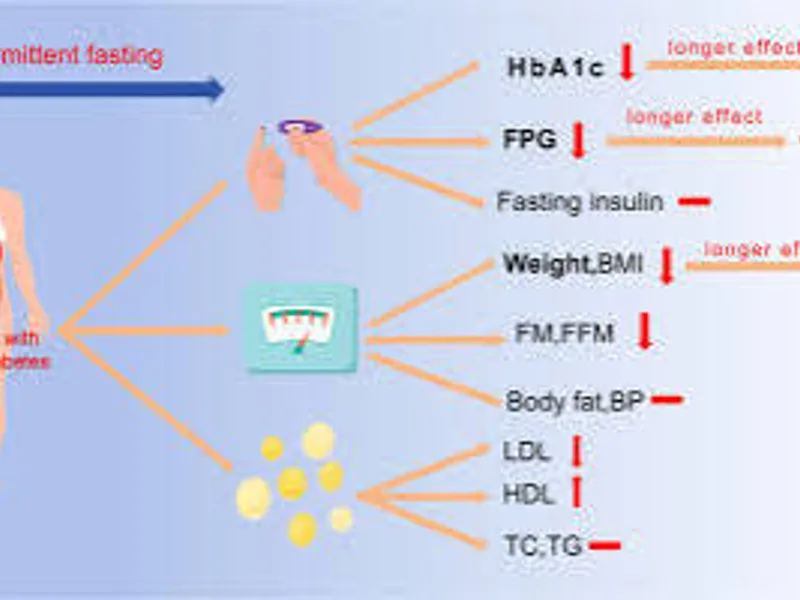
Improved insulin sensitivity: By reducing the frequency and duration of insulin spikes throughout the day, some studies suggest fasting protocols can improve how effectively the body responds to insulin over time.
Lower fasting blood glucose levels: Several studies report reductions in fasting glucose readings among people with type 2 diabetes or prediabetes following structured fasting protocols.
Reduced insulin requirements: Some research and clinical observations suggest certain patients may see reduced need for diabetes medications over time as metabolic control improves — though this must always be managed and adjusted by a physician, never self-directed.
Weight loss benefits: Since excess weight, particularly visceral fat, is closely linked to insulin resistance, fasting-supported weight loss can indirectly improve blood sugar control.
Reduced inflammation: Some studies link intermittent fasting to reductions in inflammatory markers, which may play a role in insulin resistance over time.
4. The Real Risks: Hypoglycemia and Beyond
The single most significant, well-documented risk of fasting for people with diabetes is hypoglycemia — dangerously low blood sugar. This risk is highest for people taking insulin or sulfonylurea medications, since these drugs lower blood sugar independent of food intake. If you fast without adjusting these medications, blood sugar can fall to dangerous levels.
Symptoms of hypoglycemia include:
Shakiness or trembling
Sweating
Rapid heartbeat
Confusion or difficulty concentrating
Extreme hunger
Irritability or mood changes
Blurred vision
In severe cases: loss of consciousness or seizures
Beyond hypoglycemia, other risks worth being aware of include:
Dehydration, particularly for people accustomed to drinking fluids alongside meals — fasting requires deliberate hydration habits.
Dietary quality concerns: if eating windows are filled with poor food choices, blood sugar control can worsen rather than improve.
Diabetic ketoacidosis (DKA) risk, primarily relevant for people with type 1 diabetes, where fasting combined with insufficient insulin can, in rare circumstances, contribute to dangerous ketone buildup distinct from the mild, benign ketosis seen in non-diabetic fasting.
5. Type 1 vs. Type 2 Diabetes: Different Risk Profiles
Type 1 diabetes: Because the body produces little to no insulin naturally, blood sugar management relies entirely on externally administered insulin. Fasting introduces substantial complexity and risk here — both hypoglycemia (if insulin isn't carefully adjusted) and, in some circumstances, diabetic ketoacidosis. Intermittent fasting is generally approached with significant caution in type 1 diabetes and essentially always requires close endocrinologist supervision, individualized insulin adjustment protocols, and frequent glucose monitoring.
Type 2 diabetes: Risk varies considerably depending on treatment approach. People managing type 2 diabetes through diet and lifestyle alone, or with medications that don't independently cause hypoglycemia (such as metformin), generally face a lower risk profile and are more commonly considered reasonable candidates for supervised fasting trials. Those on insulin or sulfonylureas face meaningfully higher risk and need explicit medical guidance and likely medication adjustment before attempting any fasting protocol.
6. Fasting and Prediabetes
Prediabetes — where blood sugar is elevated but not yet in the diabetic range — is actually one of the populations where intermittent fasting has generated some of the most encouraging research interest. Because insulin resistance is often the core underlying issue in prediabetes, and fasting directly addresses insulin sensitivity, some studies suggest structured fasting protocols may help some individuals improve glucose regulation and potentially delay or prevent progression to full type 2 diabetes.
That said, "prediabetes" still warrants a conversation with a healthcare provider before starting a fasting regimen, both to confirm the diagnosis is well understood and to rule out any other factors that might affect safety.
7. What the Research Shows
The body of research specifically examining fasting and diabetes has grown steadily. Findings frequently cited in this area include:
Studies on time-restricted eating protocols (like 16:8) in people with type 2 diabetes have shown improvements in fasting glucose and, in some cases, HbA1c (a longer-term marker of blood sugar control) over periods of several weeks to months.
Research summarized by diabetes-focused medical guidance notes that intermittent fasting is associated with lowering blood glucose and reduced insulin resistance and insulin requirements, alongside other benefits including weight loss, reduced inflammation, improved cholesterol and blood pressure, and effects on brain health and aging — while explicitly flagging hypoglycemia as an immediate risk for people on insulin or sulfonylureas.
Not all research shows dramatic superiority of fasting protocols over standard calorie-controlled diets for blood sugar management — some studies find comparable outcomes when total calorie intake is similar, reinforcing that overall diet quality and consistency matter enormously regardless of the specific eating pattern chosen.
8. Warning Signs to Stop Fasting Immediately
If you are fasting with diabetes (under medical guidance) and experience any of the following, break your fast immediately and treat according to your doctor's emergency plan:
Blood glucose readings below the threshold your doctor has specified as a hypoglycemia risk
Shakiness, confusion, sweating, or rapid heartbeat
Severe fatigue or dizziness that impairs safe function
Nausea or vomiting
Fruity-smelling breath or other signs suggestive of ketoacidosis (particularly relevant for type 1 diabetes) — seek emergency care if suspected
Never attempt to "push through" symptoms of hypoglycemia. Follow your prescribed emergency glucose protocol (typically fast-acting carbohydrates) and contact your healthcare provider.
9. Medically Safer Approaches to Fasting With Diabetes
For people cleared by their doctor to explore fasting, these general principles are typically recommended (always tailored individually by your care team):
Start with the gentlest protocol — often 12:12 or 14:10 rather than more aggressive schedules like 16:8, OMAD, or alternate-day fasting
Avoid extended fasts (24+ hours) without direct medical supervision
Never adjust or skip diabetes medications on your own — any changes to insulin or other medication timing/dosing during fasting periods must be directed by your physician
Monitor blood glucose more frequently than usual during the adjustment period
Break the fast promptly if hypoglycemia symptoms appear, regardless of how close you are to your planned eating window
Avoid combining fasting with intense exercise initially, since this can compound blood sugar drops
10. Medication Adjustments and Why You Need Your Doctor
This point deserves emphasis: medications like insulin and sulfonylureas are typically dosed based on an assumption of regular meal timing. Introducing a fasting schedule without adjusting these medications is one of the most common causes of dangerous hypoglycemic episodes in people with diabetes who fast without medical guidance.
Your doctor may need to:
Reduce insulin doses on fasting days
Adjust the timing of medication relative to your new eating window
Switch certain medications entirely if they pose too high a hypoglycemia risk for a fasting schedule
Set individualized blood glucose thresholds for when you should break your fast
This is not a step to skip or self-manage, even if you feel confident interpreting your own glucose readings.
11. Monitoring Blood Sugar While Fasting
If you have diabetes and your doctor has approved a fasting trial, consistent glucose monitoring becomes even more important than usual:
Check blood glucose more frequently during the initial weeks of any new fasting schedule, including during the fasting window itself, not just before/after meals
Use a continuous glucose monitor (CGM) if available — it provides much more complete visibility into how your body responds throughout the fasting period, including overnight
Keep a log correlating glucose readings with fasting duration, medication timing, and any symptoms, and share this with your care team to fine-tune your approach
Know your personal hypoglycemia threshold and have fast-acting glucose treatment readily available at all times during fasting periods
12. Foods and Habits That Support Safer Fasting
For people with diabetes cleared to fast, what you eat during your eating window matters just as much as, if not more than, the fasting schedule itself:
Prioritize fiber-rich, minimally processed carbohydrates over refined sugars and simple starches, to reduce post-meal glucose spikes
Include adequate protein and healthy fats to support satiety and slow glucose absorption
Stay well hydrated throughout the fasting window — water intake doesn't affect blood sugar directly but supports overall metabolic function
Avoid breaking your fast with large amounts of refined carbohydrates or sugary foods, which can cause a sharp glucose spike after a period of low insulin
Space meals thoughtfully within your eating window rather than consuming everything in one very large sitting, if your glucose tends to spike significantly with large meals
13. Frequently Asked Questions
Is intermittent fasting safe for type 2 diabetics?
It can be, for some people, but only with medical guidance — particularly regarding medication adjustments. People not on insulin or sulfonylureas generally face lower risk, but this should still be confirmed with a doctor before starting.
Can type 1 diabetics do intermittent fasting?
It's possible but requires significantly more caution, individualized insulin management, and close endocrinologist supervision due to elevated risks of both hypoglycemia and diabetic ketoacidosis.
Does intermittent fasting lower blood sugar permanently?
Research shows fasting can improve fasting glucose levels and insulin sensitivity over weeks to months of consistent practice, but these benefits generally require ongoing adherence to be maintained — they aren't a one-time permanent fix.
What blood sugar level is dangerous during fasting?
This varies by individual and should be defined by your doctor, but generally, blood glucose readings below 70 mg/dL are considered hypoglycemic and require immediate treatment; your personal threshold for stopping a fast may be set higher for safety.
Can prediabetes be reversed with intermittent fasting?
Some research suggests fasting-supported weight loss and improved insulin sensitivity may help some individuals with prediabetes return glucose levels to a normal range, though results vary and it should be pursued alongside regular medical monitoring, not as a substitute for it.
What should I do if I feel shaky or dizzy while fasting with diabetes?
Check your blood glucose immediately if possible, treat according to your doctor's hypoglycemia protocol (typically fast-acting carbohydrates), and break your fast. Don't try to push through these symptoms.
Final Thoughts
Intermittent fasting shows real scientific promise for blood sugar management in select individuals with diabetes or prediabetes — but it is not a one-size-fits-all approach, and the risks of hypoglycemia and other complications are genuine, not hypothetical. Anyone with diabetes considering intermittent fasting should treat this article as a starting point for an informed conversation with their doctor, not a self-directed plan. With the right medical guidance and monitoring, fasting can be a valuable tool for some — but safety always comes first.
This article is for general informational purposes only and does not replace personalized medical advice. Never adjust diabetes medications or begin a fasting regimen without consulting your healthcare provider.