Intermittent Fasting Explained: What It Is and How It Actually Works
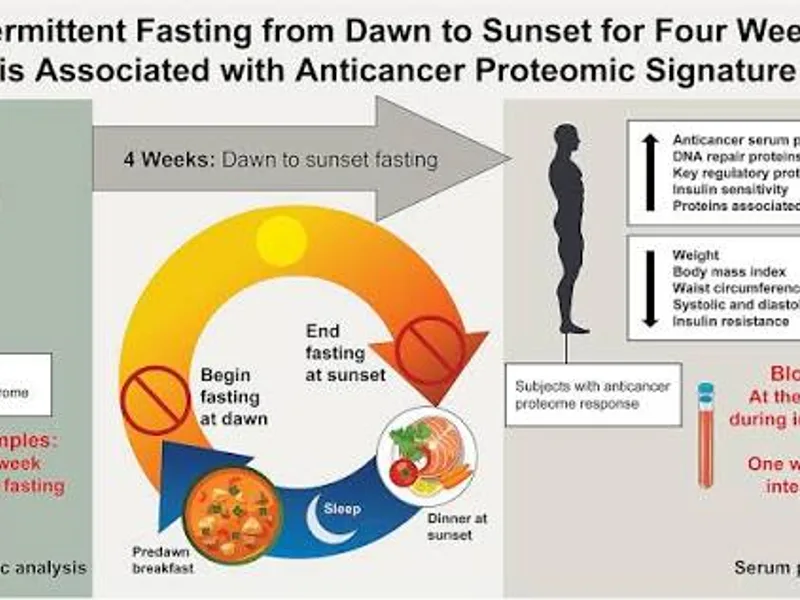
Intermittent fasting (IF) has moved from a niche biohacker trend to one of the most searched health topics in the world — and for good reason. Unlike most diets that tell you what to eat, intermittent fasting tells you when to eat, cycling your day or week between defined eating windows and fasting periods. Neuroscientists, endocrinologists, and dietitians have spent over two decades studying what actually happens inside the body during a fast, and the findings go well beyond simple calorie restriction.
This guide walks through the real biology of fasting — not the oversimplified version you see on social media — so you understand exactly what's happening in your bloodstream, liver, and brain at each stage of a fast, and how to approach intermittent fasting safely and effectively.
Table of Contents
What Is Intermittent Fasting?
The Evolutionary Origins of Fasting
How Intermittent Fasting Works: The Science of Metabolic Switching
Hour-by-Hour: What Happens to Your Body During a Fast
Fed State vs. Fasted State: Key Differences
The Hormones Involved in Fasting
Why Timing Matters More Than Calorie Counting
Common Intermittent Fasting Methods (Quick Overview)
What the Research Actually Shows
Who Should Be Cautious or Avoid Fasting
How to Start Intermittent Fasting Safely
Common Myths About Intermittent Fasting
Frequently Asked Questions
1. What Is Intermittent Fasting?
Intermittent fasting is an eating pattern that alternates between periods of eating and periods of voluntary abstention from food, on a regular, repeating schedule. It is not a diet in the traditional sense — there's no prescribed list of foods to eat or avoid. Instead, it's a framework for structuring when you consume calories.
This is the single biggest distinction between intermittent fasting and almost every other dietary approach. A ketogenic diet restricts carbohydrates. A Mediterranean diet emphasizes whole foods and healthy fats. Intermittent fasting restricts none of that — it restricts the clock. You could theoretically eat a keto diet, a vegan diet, or a standard diet, all within an intermittent fasting framework.
The core idea rests on a simple physiological principle: the human body operates differently depending on whether it recently received food or not. In a "fed state," your body is busy digesting and using the glucose from your last meal for energy. Once that glucose is used up and stores are depleted — typically many hours after eating — your body must switch to an alternate fuel source. That switch is where most of intermittent fasting's proposed benefits originate.
2. The Evolutionary Origins of Fasting
To understand why fasting has such a measurable effect on the body, it helps to consider human evolutionary history. Long before agriculture and reliable food availability, humans lived as hunter-gatherers. Meals were irregular and often separated by long stretches without food. Our physiology evolved under these exact conditions — bodies that could survive, and even function optimally, during extended periods without eating had a distinct survival advantage.
Modern eating patterns, by contrast, are a very recent development. Three meals a day plus snacks, eaten across nearly every waking hour, is a pattern that would have been essentially unavailable to our ancestors and is, evolutionarily speaking, quite new. When the body is fed constantly, it never needs to tap into stored fat for energy — it's always running on the glucose from the last meal. Intermittent fasting essentially recreates the "feast and famine" rhythm the human body was designed to handle.
This doesn't mean modern constant eating is inherently unhealthy for everyone, but it does explain why researchers became curious about what reintroducing fasting periods might do for metabolic health.
3. How Intermittent Fasting Works: The Science of Metabolic Switching
The central mechanism behind intermittent fasting is a process researchers call metabolic switching. This refers to the transition your body makes from burning glucose (sugar) for fuel to burning fat-derived ketones instead.
Here's the sequence:
After a meal, your body digests carbohydrates into glucose, which enters the bloodstream.
Insulin is released to help cells absorb that glucose for immediate energy, and any excess is stored — first as glycogen in the liver and muscles, then as fat if glycogen stores are full.
As hours pass without eating, your body burns through the available glucose and depletes liver glycogen stores.
Once those stores run low — generally somewhere between 8 and 12 hours after your last meal, depending on your metabolism and recent activity — the liver begins converting stored fatty acids into molecules called ketones.
Ketones become an alternative fuel source for your cells, including brain cells, replacing glucose as the primary energy currency.
This glucose-to-ketone transition is what researchers mean by "metabolic switching," and animal studies along with a growing body of human research suggest this switch triggers a cascade of downstream effects — improved cellular stress resistance, changes in inflammatory markers, and adaptations that may support long-term metabolic and cognitive health.
It's worth being precise here: metabolic switching isn't the same thing as full ketosis (the sustained, deeper ketone-producing state associated with ketogenic diets), though the two share the same underlying biochemical pathway. Even a daily 16-hour fast is enough to trigger some degree of metabolic switching for most people.
4. Hour-by-Hour: What Happens to Your Body During a Fast
Understanding the fasting timeline can help you appreciate why certain fasting windows (like 16 hours) are commonly recommended over shorter ones.
Hours 0–4 (Post-meal / Fed state): Blood glucose rises, insulin is released, and your body is actively using and storing incoming nutrients. This is the "absorptive phase."
Hours 4–8: Blood glucose begins to normalize and gradually decline as the body shifts into the "post-absorptive phase." The body starts drawing on stored glycogen for energy.
Hours 8–12: Glycogen stores continue to deplete. Insulin levels drop further. The body increasingly starts breaking down fatty acids for energy, and ketone production begins to ramp up.
Hours 12–18: This is generally where meaningful metabolic switching kicks in for most people. Ketone levels rise more noticeably, fat oxidation increases, and some people report heightened mental clarity — a phenomenon some researchers link to the brain's use of ketones as an efficient, stable fuel source.
Hours 18–24+: Autophagy — the body's cellular "clean-up" process where damaged components are broken down and recycled — is believed to become more active during longer fasting windows, though most of the specific evidence for this comes from animal studies, with human research still developing. Growth hormone levels may also rise during extended fasting, which some research links to fat metabolism and muscle preservation.
Beyond 24 hours: Extended fasting starts to carry more risk and generally requires medical supervision, particularly for blood sugar regulation and electrolyte balance. This isn't a territory most beginners should approach without guidance.
It's important to note individual variation here is significant — factors like your typical diet, activity level, metabolic health, and even genetics affect how quickly you move through these stages.
5. Fed State vs. Fasted State: Key Differences
Factor | Fed State | Fasted State |
|---|
Primary fuel source | Glucose | Fat-derived ketones |
Insulin levels | Elevated | Low |
Fat storage | Active | Paused; fat is released instead |
Growth hormone | Suppressed | May increase |
Cellular repair (autophagy) | Minimal | Increased (theorized, mainly from animal data) |
Hunger hormone (ghrelin) | Suppressed after eating | Rises, then often stabilizes |
This table illustrates why fasting windows matter physiologically — your body genuinely operates in a different mode depending on how recently you've eaten, not just how much you've eaten in total.
6. The Hormones Involved in Fasting
Several hormones drive the physiological changes seen during fasting:
Insulin — drops significantly during fasting, which is one reason intermittent fasting is of interest for people managing insulin resistance or type 2 diabetes (always under medical guidance).
Glucagon — rises as insulin falls, signaling the liver to release stored glucose and begin producing ketones.
Growth hormone — some studies show notable increases during fasting, potentially supporting fat metabolism and muscle mass preservation.
Ghrelin ("the hunger hormone") — rises predictably before typical mealtimes but, interestingly, many practitioners report that hunger pangs become less intense over time as the body adapts to a new eating schedule.
Norepinephrine — increases modestly during fasting, which may support alertness and metabolic rate.
7. Why Timing Matters More Than Calorie Counting
One of the most compelling arguments for intermittent fasting is that it works with your body's natural circadian rhythms rather than against them. Research into time-restricted eating suggests that when you eat may influence how efficiently your body processes food — insulin sensitivity, for instance, tends to be better earlier in the day for many people, which is part of why some fasting protocols emphasize an earlier eating window (such as 8 a.m. to 4 p.m.) over a late one.
This doesn't mean calories don't matter at all — they absolutely still count toward weight management. But intermittent fasting reframes the conversation: instead of obsessively tracking every gram of food, you're managing a much simpler variable — the clock — while your body's own hormonal shifts do some of the regulatory work for you.
8. Common Intermittent Fasting Methods (Quick Overview)
While a full breakdown of every method deserves its own dedicated article (see our companion guide on IF methods), here's a quick snapshot to contextualize how this works in practice:
16:8 (Time-Restricted Eating): Fast for 16 hours, eat within an 8-hour window daily.
5:2 Method: Eat normally 5 days a week, restrict calories significantly on 2 non-consecutive days.
Alternate-Day Fasting: Alternate between normal eating days and fasting (or very low-calorie) days.
OMAD (One Meal a Day): A more advanced approach involving a single daily meal within a short window.
Beginners are almost universally advised to start with the gentlest protocol — typically 12:12 or 14:10 — before progressing to 16:8.
9. What the Research Actually Shows
The scientific literature on intermittent fasting has expanded considerably in the past decade. A widely cited review published in the New England Journal of Medicine synthesized findings from both animal and human studies, concluding that alternating periods of fasting and eating appears to support cellular health, likely via the metabolic switching mechanism described above.
Human clinical research has associated intermittent fasting with several outcomes, including:
Improved weight management, particularly fat loss while preserving lean mass in some study designs
Improvements in select cardiovascular risk markers
Better blood glucose regulation and reduced insulin resistance in some populations
Preliminary signals of cognitive benefits, including memory performance in some trials of calorie-restricted or time-restricted eating
It's worth being honest about the state of the science: much of the most striking data (particularly around longevity and neuroprotection) comes from animal studies, and researchers are candid that the precise mechanisms of metabolic switching in humans aren't yet fully mapped. Human trials are ongoing, and some researchers have suggested that as evidence accumulates, intermittent fasting could eventually become part of standard medical dietary guidance alongside established recommendations — but it isn't there yet, and it isn't a universal solution for everyone.
10. Who Should Be Cautious or Avoid Fasting
Intermittent fasting is not appropriate for everyone, and this is a genuinely important caution, not boilerplate. People who should talk to a doctor before attempting any fasting protocol — or avoid it altogether — include:
People with type 1 diabetes or those on insulin/sulfonylurea medications for type 2 diabetes (risk of hypoglycemia)
Pregnant or breastfeeding individuals
People with a current or past history of eating disorders
Children and adolescents
People who are underweight or malnourished
Anyone with certain chronic conditions affecting blood sugar, blood pressure, or adrenal function
Even for generally healthy adults, starting fasting should be a gradual process, not an abrupt one.
11. How to Start Intermittent Fasting Safely
Start small. Begin with a 12-hour overnight fast (essentially just avoiding late-night snacking) before working toward 14 or 16 hours.
Increase gradually over weeks, not days. Jumping straight into a 16:8 or OMAD schedule often triggers the irritability and intense hunger that cause people to quit. A gradual increase over several weeks to months tends to be far more sustainable.
Prioritize hydration. Water, black coffee, and plain tea are generally fine during fasting windows and can help manage hunger.
Don't compensate by overeating. The fasting window isn't a license to eat unlimited or low-quality food during your eating period — nutritional quality still matters enormously for actually achieving health benefits.
Expect an adjustment period. Initial hunger, irritability, and low energy are common and usually resolve within two to four weeks as your body adapts.
Track how you feel, not just the clock. If you experience dizziness, extreme fatigue, or mood disturbances, it's a signal to reassess — fasting should not feel dangerous or unsustainable.
12. Common Myths About Intermittent Fasting
Myth: Fasting puts your body into "starvation mode" that stalls metabolism. True starvation mode typically requires much longer periods without food than standard intermittent fasting windows. Short-term fasting (under 24 hours) doesn't meaningfully slow metabolism for most healthy people, and some research even suggests modest short-term metabolic rate increases.
Myth: You can eat anything during your eating window and still see the same benefits. Diet quality still matters. Intermittent fasting changes when you eat, not the fundamental importance of nutrient-dense, balanced meals.
Myth: Fasting causes muscle loss. When paired with adequate protein intake and resistance exercise, several studies show fasting protocols can preserve lean muscle mass while promoting fat loss — though this isn't guaranteed without those supporting habits.
Myth: Everyone should be doing intermittent fasting. As covered above, it's genuinely not appropriate for certain populations, and even for healthy adults, it's a personal choice rather than a universal requirement for good health.
13. Frequently Asked Questions
How long does it take to see results from intermittent fasting? Most people report initial changes (appetite regulation, some water-weight shifts) within the first one to two weeks, with more meaningful fat-loss or metabolic changes typically visible over 8–12 weeks of consistent practice.
Is 16 hours the minimum needed to get benefits? Meaningful metabolic switching effects are generally associated with fasts of 12+ hours, with more pronounced effects reported around the 16-hour mark for many people, though individual metabolism varies.
Can I drink coffee or tea while fasting? Yes, black coffee and plain tea (without sugar, milk, or cream) are widely considered acceptable during fasting windows and don't meaningfully break a fast for most protocols.
Does intermittent fasting slow your metabolism? Short-term fasting generally does not slow metabolism in healthy individuals; some research even suggests transient increases in metabolic rate during shorter fasting periods, though prolonged, extreme fasting can have different effects.
Is intermittent fasting safe for beginners? Yes, for most healthy adults, when started gradually and with attention to hydration and nutrition — but anyone with underlying health conditions should consult a doctor first.
What breaks a fast? Any caloric intake technically ends the fasted state. This includes food, sugary drinks, cream or milk in coffee, and most sweeteners beyond very small amounts of zero-calorie options (which some — though not all — protocols still consider acceptable).
Final Thoughts
Intermittent fasting isn't a fad diet trick — it's a structured way of leveraging a metabolic process your body has run for as long as humans have existed. Understanding the actual biology behind metabolic switching, hormone shifts, and the fasting timeline can help you approach it with realistic expectations rather than social-media hype. As with any significant change to your eating pattern, talk to a healthcare provider before starting, particularly if you have any underlying health conditions.
This article is for general informational purposes only and does not replace personalized medical advice.
Source reference: Johns Hopkins Medicine — Intermittent Fasting: What Is It, and How Does It Work?; De Cabo R, Mattson MP. "Effects of Intermittent Fasting on Health, Aging, and Disease." New England Journal of Medicine, 2019.