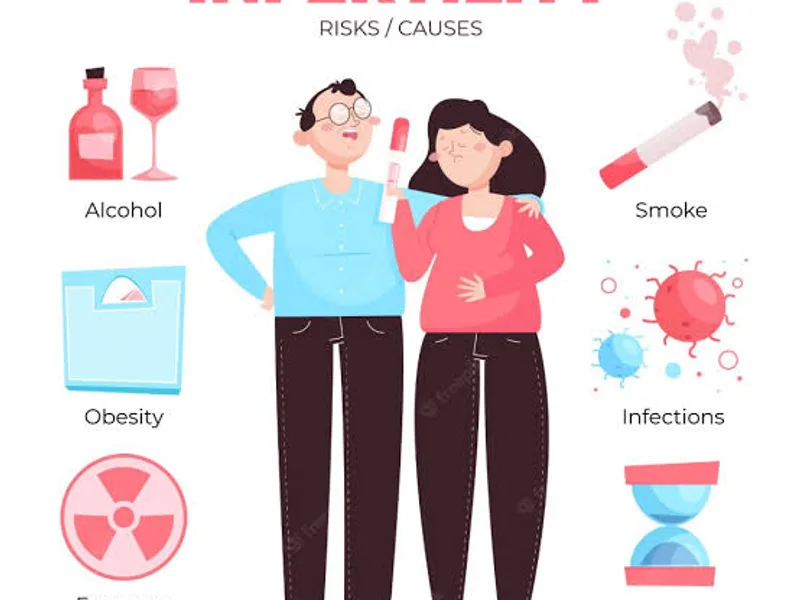
How does lifestyle affect male fertility?
Sperm production is sensitive to changes in the body's hormonal, metabolic and environmental conditions.
Lifestyle factors do not explain every case of male infertility. Varicocele, genetic conditions, hormonal disorders, infections and problems with sperm transport can also play major roles.
But when lifestyle is contributing, changing several factors at once may be more useful than focusing on a single food, supplement or “fertility booster.”
Doctar's guide to male infertility causes explains the wider range of conditions that can affect male reproductive health.
Smoking and male fertility
Smoking is one of the lifestyle factors worth taking seriously when trying to conceive.
Tobacco smoke contains chemicals that can contribute to oxidative stress, which may damage sperm cells. Smoking has also been associated with poorer semen parameters and reduced fertility.
The effect is not necessarily limited to sperm count. Sperm movement and other measures of sperm quality may also be affected.
If you're trying to conceive, quitting tobacco is a far more evidence-based step than spending money on an unproven fertility supplement.
Doctar's sperm quality improvement guide covers several practical lifestyle measures that may support reproductive health.
Alcohol and sperm quality
Alcohol's relationship with fertility depends partly on the amount and pattern of drinking.
Heavy or prolonged alcohol consumption can affect testosterone production and testicular function. It may also be associated with poorer semen quality.
That does not mean an occasional drink automatically causes infertility. The bigger concern is regular heavy consumption and the wider health problems that can accompany it.
Doctar's article on alcohol's impact on testosterone discusses the relationship between alcohol, hormones and men's health.
If you're preparing for fertility treatment or have an abnormal semen analysis, discuss your alcohol intake honestly with your doctor.
Heat and sperm production
The testicles are located outside the body partly because sperm production works best at a temperature slightly below core body temperature.
Prolonged exposure to substantial heat can interfere with sperm production. Occupational heat exposure, such as working around furnaces or in very hot industrial environments, may therefore be relevant.
Some online advice goes much further, claiming that ordinary activities such as wearing certain underwear or briefly using a laptop will cause infertility. The evidence does not support treating every everyday heat exposure as a major fertility threat.
Doctar's article on tight underwear and health discusses this issue in more detail.
In clinical practice, men are sometimes given long lists of things to avoid while trying to conceive, when the bigger risks are actually smoking, heavy alcohol use, anabolic steroids, obesity and untreated medical conditions. Fertility advice should focus on what is supported by evidence, not create unnecessary anxiety.
Hot baths and saunas: should men avoid them?
Repeated, prolonged exposure to high temperatures may affect sperm production in some men.
However, there is not enough evidence to say that every man needs to completely avoid hot baths or saunas to remain fertile.
If a semen analysis is already abnormal, or a man is actively preparing for fertility treatment, it may be reasonable to discuss repeated high-heat exposure with a fertility specialist.
The practical approach is moderation rather than fear.
Obesity and male fertility
Body weight can influence reproductive health through metabolic and hormonal pathways.
Obesity has been associated with altered testosterone levels and poorer semen parameters in some men. It may also contribute to conditions such as diabetes and sleep apnea, which can affect sexual and reproductive health.
This does not mean that a man's weight alone determines whether he can father a child.
A balanced diet and sustainable physical activity are more useful than extreme dieting.
Doctar's protein and nutrition guide provides related information about nutrition and physical health.
Exercise and fertility
Regular physical activity can support cardiovascular health, metabolic function and healthy body weight.
Moderate, consistent exercise is generally more useful than periods of extreme training followed by long periods of inactivity.
Very intense training combined with inadequate nutrition can affect hormonal health in some men. The goal should be sustainable fitness rather than trying to maximise testosterone at all costs.
Doctar's men's fitness workout guide covers strength and cardiovascular training for men's health.
Anabolic steroids and testosterone
This is one lifestyle factor that deserves special attention.
Anabolic steroids and testosterone taken from outside the body can suppress the hormonal signals that stimulate sperm production. A man may become more muscular while his sperm count falls substantially.
That can be particularly frustrating when a man starts testosterone because he feels tired or wants to improve gym performance, only to discover that it is interfering with fertility.
Doctar's guide to testosterone and men's health discusses testosterone-related products and common misconceptions.
Men taking prescribed TRT should not stop or change treatment without speaking to their doctor. If fertility is a goal, the treatment plan may need to be reconsidered with a specialist.
Sleep and reproductive health
Poor sleep is easy to dismiss when discussing fertility, but it can affect several systems relevant to reproductive health.
Sleep deprivation can influence stress, metabolism, energy and hormonal regulation. It may also reduce sexual desire and make healthy lifestyle habits harder to maintain.
The evidence does not mean that one bad night's sleep damages sperm. The concern is persistent poor sleep as part of a broader unhealthy pattern.
If low energy and reduced sexual desire are also present, Doctar's testosterone-level guide may provide useful background, although symptoms alone cannot diagnose testosterone deficiency.
Stress and fertility
Trying to conceive can itself become stressful.
Chronic psychological stress may influence sexual function, sleep and general health. Stress can also indirectly affect fertility when it leads to heavier drinking, smoking, poor eating or reduced sexual activity.
That does not mean stress alone explains infertility.
Doctar's stress-management guide and anxiety-management guide offer practical information for managing these concerns.
Recreational drugs
Some recreational drugs may affect sperm production, sperm movement or hormone function.
The evidence varies considerably by substance, dose and pattern of use, so broad claims that every recreational drug has the same fertility effect would be misleading.
A fertility specialist should know about recreational drug use when assessing abnormal semen results. Honest information helps the doctor interpret the results properly.
Chemicals and workplace exposure
Some men have fertility risks that have little to do with personal habits.
Repeated exposure to pesticides, solvents, heavy metals and other industrial chemicals can affect reproductive health. Men who work in agriculture, manufacturing, construction or certain industrial environments may need to consider occupational exposure.
Protective equipment and workplace safety procedures matter.
If your work involves potentially reproductive toxins, mention it during a fertility consultation.
Diet and sperm health
There is no single food that can “boost sperm” overnight.
A balanced diet built around vegetables, fruit, whole grains, legumes, nuts, healthy fats and adequate protein is a more sensible approach.
Nutritional deficiencies can affect health, but taking large amounts of vitamins or minerals without a deficiency is not necessarily beneficial.
Doctar's sperm quality improvement tips provides further information on diet and lifestyle.
What about supplements?
Fertility supplements are heavily marketed, often with claims about antioxidants and testosterone.
Some antioxidant supplements have been studied in men with infertility, but the evidence remains uncertain. A supplement containing zinc, selenium, CoQ10 or another antioxidant should not automatically be assumed to improve pregnancy or live-birth rates.
This is particularly important because excessive intake of certain nutrients can also cause problems.
Talk to a fertility specialist before taking multiple supplements together.
Sexual health also matters
Lifestyle factors can affect fertility indirectly through sexual function.
Erectile dysfunction can make intercourse difficult, while delayed ejaculation or other ejaculation disorders may prevent sperm from being delivered effectively.
Doctar's guides to erectile dysfunction and delayed ejaculation discuss these problems separately.
Anxiety about sexual performance can also become part of the cycle. Doctar's information on sex therapy in India may be relevant when psychological or relationship factors are affecting intimacy.
How long do lifestyle changes take to affect sperm?
Sperm are continually being produced, but the process takes time.
It generally takes around two to three months for a new generation of sperm to develop and mature. That means changes in smoking, alcohol use, diet, exercise or other lifestyle factors may take weeks to months before their effects can potentially be reflected in semen testing.
This is why making a change for a few days and immediately repeating a semen analysis usually tells you very little.
Doctar's semen analysis guide explains what a semen analysis measures.
When should you get tested?
Lifestyle changes are worthwhile, but they should not delay medical evaluation when there is a genuine fertility concern.
If a couple has been trying to conceive for 12 months without pregnancy, a fertility evaluation is generally appropriate. Earlier assessment may be sensible when there is a known risk factor, testicular problem, sexual dysfunction, previous cancer treatment or suspected hormonal disorder.
A semen analysis is usually an important starting point.
Doctar's male fertility testing guide explains the tests doctors may use.
If a man has a low result, Doctar's low sperm count causes guide can help explain the possible reasons, but a doctor should interpret the actual laboratory report.