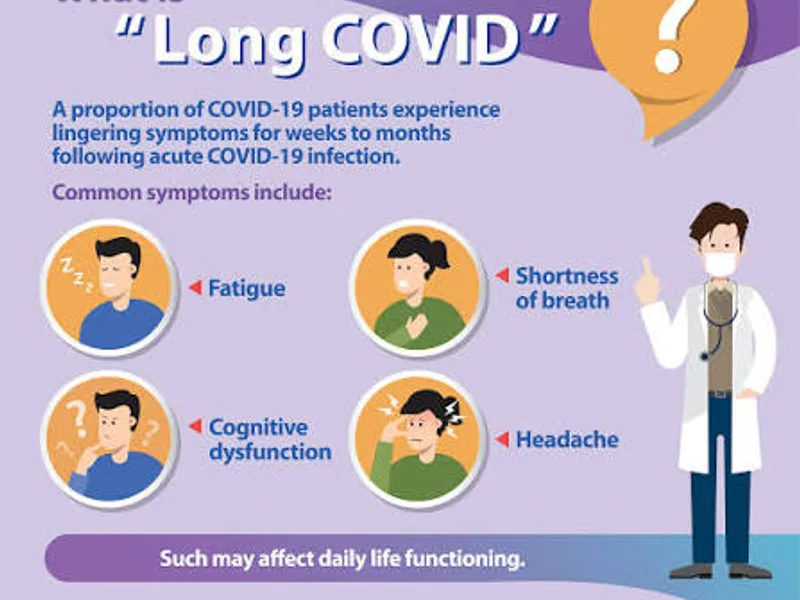
What Is Long COVID?
Long COVID is the term commonly used for health problems that continue or appear after a COVID-19 infection. Doctors may also use the term post-COVID-19 condition. Symptoms can affect several parts of the body and may change over time.
The condition is not limited to people who were seriously ill. Someone who recovered from a mild infection can also develop persistent symptoms. That is one reason Long COVID can be difficult to recognize.
If you are unsure whether a recent illness was COVID-19, Doctar's guide on COVID-19 symptoms and what to do explains the common signs and testing considerations.
Doctors generally look at symptoms in relation to the original infection and also consider other possible causes. NICE describes ongoing symptomatic COVID-19 as symptoms lasting from four to 12 weeks, while post-COVID-19 syndrome refers to symptoms continuing beyond 12 weeks when another diagnosis does not better explain them.
Common Long COVID Symptoms
There is no single Long COVID symptom. The pattern can look very different from one person to another.
Fatigue is one of the symptoms people report most often. It may feel different from ordinary tiredness. A person might sleep for several hours and still struggle to perform routine tasks.
Other reported symptoms include:
· Breathlessness or persistent cough
· Chest discomfort or palpitations
· Headaches and dizziness
· Muscle or joint pain
· Sleep problems
· Brain fog, including difficulty concentrating or remembering
· Changes in smell or taste
· Digestive symptoms
· Anxiety or low mood
· Skin changes and hair loss
NICE lists fatigue, breathlessness, cognitive problems, headache, sleep disturbance, dizziness, chest pain, palpitations, gastrointestinal symptoms and several other complaints among the symptoms reported after COVID-19.
For people trying to understand persistent tiredness, Doctar also has a detailed guide to chronic fatigue syndrome and its symptoms. The conditions are not the same, but some symptoms overlap and should be assessed rather than assumed.
Why Does Long COVID Happen?
Researchers are still working out exactly why some people develop prolonged symptoms after COVID-19. There is no single explanation that accounts for every case.
Studies and clinical discussions have explored several possible mechanisms, including changes in the immune system, inflammation, problems involving blood vessels, nervous-system effects and lingering effects of the original infection. WHO has also emphasized that the underlying causes and risk factors are not yet completely understood.
The illness can also overlap with problems that existed before COVID-19 or conditions triggered by another illness. That makes a proper medical assessment more useful than simply labelling every persistent symptom as Long COVID.
For example, someone with ongoing brain fog may benefit from reading Doctar's guide to brain fog and possible causes, while someone with persistent fatigue may need assessment for other conditions as well.
Who Should You See for Long COVID?
A general physician or internal medicine doctor is often a practical starting point because Long COVID can involve several body systems. The doctor can review the history, symptoms and existing medical conditions before deciding whether specialist assessment is needed.
You can use Doctar to find a general physician in Kolkata or browse specialist doctors on Doctar.
Some symptoms may lead to referrals to different specialists.
For ongoing breathing problems, a pulmonologist in Kolkata may assess lung and respiratory symptoms. Persistent chest pain, unusual palpitations or other cardiac concerns may require a cardiologist in Kolkata.
If headaches, dizziness, numbness or cognitive problems are prominent, a neurologist in Kolkata may be appropriate.
Long-lasting weakness or difficulty returning to normal activity may also involve rehabilitation. Doctar lists physiotherapists in Kolkata who can provide physical rehabilitation services when clinically appropriate.
Mental-health symptoms can also occur after COVID-19. If anxiety, low mood or psychological distress becomes persistent, a psychiatrist in Kolkata may be part of the care team.
The right specialist depends on the person's symptoms. There is no single "Long COVID doctor" who is necessary for every patient.
How Is Long COVID Diagnosed?
There is no single blood test or scan that confirms Long COVID in every patient.
Doctors generally begin with a detailed medical history. They may ask when COVID-19 occurred, which symptoms appeared during the infection, what happened during recovery and which symptoms are still affecting daily activities. NICE recommends a broad assessment covering physical, cognitive, psychological and functional symptoms.
Previous COVID-19 test results can be useful, but a previous positive test is not the only factor considered by clinicians. NICE guidance notes that people can be assessed after suspected or confirmed COVID-19, including those without a positive test.
Depending on symptoms and medical history, a doctor may order tests to investigate other causes or complications. The exact tests should be based on the individual situation rather than a fixed Long COVID testing package.
What Treatment Is Available?
There is currently no single treatment that cures every aspect of Long COVID.
Care is usually directed at the symptoms and health problems identified during assessment. NICE recommends supported self-management and, when appropriate, multidisciplinary rehabilitation involving different healthcare professionals.
That can mean treating a specific respiratory problem, addressing sleep difficulties, managing pain, supporting mental health or helping a person gradually return to appropriate daily activities.
Pacing can matter when activity causes a delayed worsening of symptoms. Some people experience post-exertional malaise, meaning their symptoms become noticeably worse after physical or mental effort. This is different from simply being out of shape.
Doctar's information on chronic fatigue syndrome and post-exertional malaise can help readers understand this symptom pattern, although Long COVID and ME/CFS should not be treated as interchangeable diagnoses.
Nutrition may also need attention when appetite, weight or digestive symptoms change. A qualified dietitian in Kolkata can provide individualized nutrition advice when needed.
If digestive symptoms continue, a gastroenterologist in Kolkata may be involved.
Can Long COVID Affect the Heart and Brain?
Yes. Long COVID can involve symptoms affecting both cardiovascular and neurological function.
People may report palpitations, chest discomfort, dizziness, headaches or difficulty concentrating. NICE specifically includes chest pain, palpitations, cognitive impairment, headaches and dizziness among reported post-COVID symptoms.
But these symptoms should not automatically be blamed on Long COVID.
Chest pain, fainting, severe breathing difficulty, new neurological weakness or other serious symptoms need prompt medical assessment. A cardiology consultation or neurological evaluation may be considered based on the clinical picture.
Persistent neurological complaints can also be discussed with a neurologist such as a Kolkata specialist listed on Doctar.
What About Sleep, Mood and Other Symptoms?
Long COVID can affect more than physical stamina. Sleep disruption, anxiety, low mood and cognitive difficulties may make recovery harder.
That does not mean symptoms are "just psychological." Physical and psychological symptoms can occur together, and both deserve proper attention.
Doctar's COVID-19 vaccine information and its COVID-19 vaccines and treatments overview provide additional background on COVID-19 prevention and treatment.
For questions around vaccine access and coverage in India, Doctar also provides a guide to COVID-19 vaccine coverage.
Some symptoms can appear outside the systems people normally associate with COVID-19. Doctar's article on COVID-19-related skin rashes discusses one example.
Likewise, kidney-related symptoms should not automatically be attributed to Long COVID. Persistent or unexplained kidney pain deserves medical evaluation, as explained in Doctar's COVID-19 and kidney pain guide.
What Can Patients Do Day to Day?
Keep a simple record of symptoms, activity and recovery. This can help identify whether certain activities consistently trigger worsening symptoms.
Avoid pushing through severe symptoms simply because recovery is taking longer than expected. At the same time, prolonged inactivity is not automatically the answer either. Activity and rehabilitation should be adjusted to the person's symptoms and medical advice.
If symptoms are persistent, worsening or interfering with work, education, sleep or basic daily activities, arrange a medical review.
In clinical practice, persistent post-viral symptoms are sometimes missed because patients may look well during a short consultation. A symptom diary can make the pattern much easier for both patient and doctor to understand.
For people who need care at home, Doctar also provides information about home-visit doctor services.
Doctar's wider doctor directory in Kolkata can also be used to explore different specialties.
When Should You Seek Urgent Help?
Long COVID should not become a reason to ignore a potentially serious new symptom.
Seek urgent medical attention for symptoms such as severe or rapidly worsening breathing difficulty, severe chest pain, fainting, new confusion, sudden weakness or other signs of a medical emergency.
Persistent symptoms that are not immediately life-threatening still deserve assessment. A doctor can determine whether they fit a post-COVID pattern or whether another condition needs investigation.