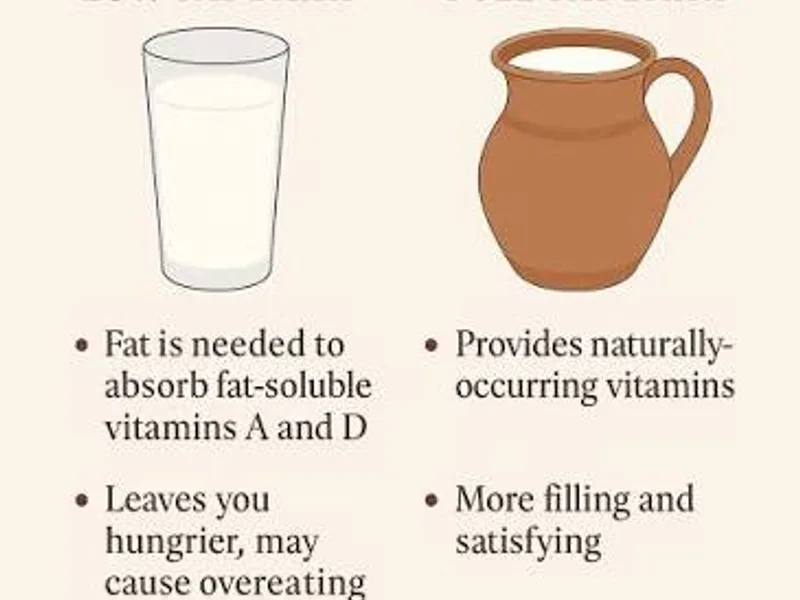
The low-fat dairy debate is more complicated than it looks
The old message was simple: choose skim milk, low-fat yogurt and reduced-fat cheese because less fat must mean better health. That advice came largely from concern about saturated fat, which can raise LDL cholesterol, the type of cholesterol strongly linked with cardiovascular risk. The American Heart Association still recommends low-fat or fat-free dairy as part of a heart-healthy eating pattern.
But the conversation has changed. Researchers have spent years looking at dairy as an entire food rather than judging it only by its fat percentage. Milk, yogurt and cheese contain protein, calcium and other nutrients, while fermented products such as yogurt have characteristics that make the picture harder to reduce to “fat equals bad.”
That does not mean the low-fat recommendation has been disproved. It means the headline needs more context.
Understanding Cholesterol Levels: What's Healthy for You?
Why did low-fat dairy become the standard advice?
The main concern is saturated fat. Full-fat milk, cream, butter and many cheeses contain more saturated fat than their reduced-fat counterparts. Eating too much saturated fat can raise LDL cholesterol, which is why heart-health guidance generally encourages replacing saturated fat with unsaturated fats from foods such as nuts, seeds, fish and plant oils.
That basic principle still matters. Someone who replaces butter or cream with a food rich in unsaturated fat is making a different nutritional choice from someone who removes dairy fat but replaces it with biscuits, sugary drinks or highly refined snacks.
Eating for a Healthy Heart: Managing High Cholesterol Through Diet
Master Your Plate: Heart-Healthy Foods
So, is full-fat dairy actually unhealthy?
Not necessarily. The evidence does not support treating every full-fat dairy food as toxic or every low-fat product as automatically healthy.
The bigger question is what the dairy food replaces and what the rest of the diet looks like. Plain yogurt with little or no added sugar is very different from a sweetened dessert-style yogurt. A small portion of cheese alongside vegetables and whole grains is different from a diet built around cheese, butter and processed meat.
Some observational research has found that dairy consumption, including some full-fat products, is not consistently associated with worse cardiovascular outcomes. But observational studies cannot prove that dairy itself prevents disease, and evidence comparing regular-fat with low-fat dairy remains debated.
That is why a sweeping “low-fat dairy myth debunked” headline can go too far.
Sip Smart: Milks for Lowering Cholesterol
Choosing the Right Milk for Indian Consumers
What matters if cholesterol is already high?
For people with high LDL cholesterol, the saturated-fat question becomes more relevant. Current American Heart Association guidance continues to favour low-fat or fat-free dairy and advises limiting major sources of saturated fat.
That does not mean a person with high cholesterol must remove all dairy. Plain low-fat milk, yogurt and other suitable dairy foods can provide protein and calcium while reducing saturated-fat intake.
In clinical practice, this is often missed because patients focus on one food rather than the whole meal. Cutting milk fat while continuing frequent fried snacks, bakery foods or large amounts of butter may not produce the dietary change they expect.
Cholesterol Control: Natural Remedies and Lifestyle Tips
Decoding Your Cholesterol Balance
Sudden Cholesterol Spike: Potential Causes
Dairy and diabetes need a little more thought
People with diabetes often encounter conflicting advice about milk and dairy. The useful question is not simply whether a dairy product contains fat, but also whether it contains added sugar and how it fits into the meal.
Plain curd or unsweetened yogurt can be quite different from a flavoured dairy product containing added sugar. A balanced meal containing protein, vegetables, whole grains and an appropriate dairy choice can fit into many diabetes-friendly eating patterns.
Eating Well With Diabetes: A Practical Guide for Indians
Mastering Your Plate for Blood Sugar-Friendly Meals
Understanding the Glycemic Index in India
The Prediabetes Diet Guide
Don't forget the rest of the plate
Dairy should not become the centre of a healthy diet. Fibre-rich foods, vegetables, fruits, legumes, whole grains, nuts and seeds have a much bigger role in determining the overall nutritional quality of a meal.
Doctar's nutrition coverage similarly places dairy alongside whole grains, vegetables, legumes, healthy fats and protein rather than treating one ingredient as a complete solution.
11 Nutrient-Dense Foods for an Indian Diet
Fibremaxxing and Gut Health
17 Protein-Rich Foods for a Healthier Indian Life
Cultural Foods and Balanced Eating
What about weight management?
Fat contains more calories per gram than carbohydrate or protein, so reducing high-fat foods can reduce calorie intake for some people. But weight management is not simply a low-fat-versus-full-fat contest.
Portion size, food quality, hunger, activity, sleep, medical conditions and the rest of the diet all matter. There is no single dairy choice that guarantees weight loss.
Understanding Daily Calorie Needs in India
Smart Weight Loss Goals for Indians
Eating Right and Weight Loss
Can Vitamins Help With Weight Loss?
The practical dairy choice
For many healthy adults, plain milk or yogurt can be part of a balanced diet. If someone has high LDL cholesterol or a high cardiovascular risk, choosing lower-fat dairy may be a sensible way to reduce saturated fat, particularly when it replaces butter, cream or other saturated-fat-rich foods. The American Heart Association continues to support that approach.
For people who prefer full-fat dairy, the answer is not necessarily to panic. A doctor or registered dietitian can consider the person's cholesterol levels, diabetes status, weight, dietary pattern and other health factors before suggesting changes.