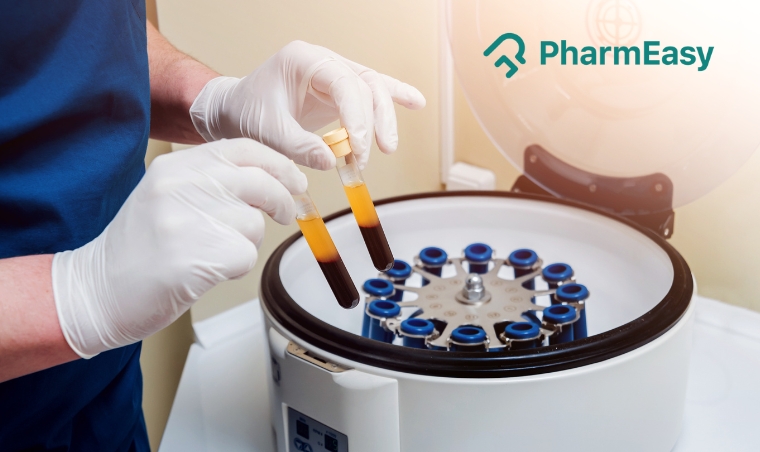
Understanding Low Thrombocyte Levels: Causes and Improvement Strategies
Meena, 45, a homemaker from Jaipur, noticed unusual bruising on her arms and legs. A routine blood examination revealed a thrombocyte level significantly lower than normal, a condition known as thrombocytopenia.
This diagnosis left her worried, especially with the upcoming Diwali festivities and the traditional feasting involved. Does this sound familiar?
Thrombocytes, also called platelets, are tiny corpuscles crucial for haemostasis. When their quantity drops below the typical range (usually 150,000 to 450,000 thrombocytes per microlitre of fluid), it can lead to excessive haemorrhage.
The reality is, many Indians might experience subtle signs without realising the underlying reason. Over 101 million Indians have diabetes (ICMR, 2023), a situation that can sometimes be linked to thrombocyte abnormalities, highlighting the widespread nature of health concerns.
Common Causes of Thrombocytopenia
The reasons behind a low thrombocyte level are diverse, ranging from lifestyle factors to serious health conditions. In many instances, identifying the root cause is the initial step towards effective management.
That alone changes everything.
Decreased Thrombocyte Production
Sometimes, the body simply doesn't manufacture enough thrombocytes. This can be due to:
- Bone Marrow Problems: The bone marrow is where thrombocytes are made. Conditions like aplastic anaemia, leukaemia, or specific infections can impair its function. Chemotherapy and radiation therapy also suppress bone marrow activity.
- Nutritional Deficiencies: Severe deficiencies in specific vitamins are significant contributors. A lack of Vitamin B12 and folate (Vitamin B9) can impede thrombocyte production. Think about it this way: these vitamins are essential building blocks for new blood cells. Iron deficiency anaemia, a prevalent ailment affecting millions in India, can also sometimes be associated with lower thrombocyte levels, although the relationship is complex.
- Viral Infections: Specific viruses, including dengue fever—a major concern during India's monsoon season—can temporarily reduce thrombocyte production. Hepatitis C and HIV are other examples.
Increased Thrombocyte Destruction
In other scenarios, thrombocytes are produced normally but are destroyed too quickly. This is often immune-related.
- Immune Thrombocytopenic Purpura (ITP): This is an autoimmune disorder where the body's immune system mistakenly attacks and destroys its own thrombocytes. It's a considerable cause of chronic low thrombocyte levels.
- Thrombotic Thrombocytopenic Purpura (TTP) and Haemolytic Uremic Syndrome (HUS): These are rare but serious conditions involving haemal clots forming in small haemal vessels, consuming thrombocytes rapidly.
- Medications: Specific drugs, including some antibiotics, heparin, and quinine, can trigger immune responses that destroy thrombocytes.
- Infections: Sepsis, a life-threatening response to infection, can lead to widespread inflammation and thrombocyte consumption.
Other Contributing Factors
- Enlarged Spleen (Splenomegaly): The spleen filters haemal fluid and stores thrombocytes. If it becomes enlarged, it may trap and destroy too many thrombocytes. This can be caused by liver disease (like cirrhosis) or specific haemal cancers.
- Pregnancy: Mild thrombocytopenia can occur in late pregnancy, often resolving after delivery.
- Alcohol Abuse: Chronic heavy alcohol consumption can suppress bone marrow function and directly affect thrombocyte production and survival.
Symptoms of Low Thrombocyte Count
What most people miss: the signs can be subtle and easily mistaken for minor issues. Early recognition is key. prevalent indicators include:
- Easy or excessive bruising (purpura)
- Prolonged bleeding from cuts
- Spontaneous nosebleeds or gum bleeding
- Blood in urine or stools
- Heavy menstrual bleeding in women
- Petechiae: small, pinpoint, reddish-purple spots under the skin, often appearing in clusters
So what does that mean for you? If you experience these signs, especially if they are new or worsening, seeking professional attention is crucial.
Tips for Improving Thrombocyte Count
Improving a low thrombocyte level involves addressing the underlying cause and supporting your body's natural production mechanisms. Professional treatment is paramount, but certain lifestyle and dietary adjustments can be supportive.
Dietary Considerations
While diet alone rarely cures thrombocytopenia, it plays a vital role in supporting overall health and haemal cell production. Focus on nutrient-dense foods.
- Folate-Rich Foods: Folate (Vitamin B9) is essential for cell production. Include leafy green vegetables like spinach and kale, lentils, beans, and fortified cereals. In India, dishes like dal and various sabzis can be excellent sources.
- Vitamin B12-Rich Foods: Crucial for red haemal cell and thrombocyte formation. Found primarily in animal products like meat, fish, eggs, and dairy. Fortified foods and supplements are options for vegetarians and vegans.
- Vitamin K-Rich Foods: Vitamin K is essential for haemostasis. Good sources include broccoli, Brussels sprouts, spinach, and other dark leafy greens.
- Iron-Rich Foods: While the link is indirect, ensuring adequate iron intake is important for overall haemal health, especially if anaemia is present. Red meat, poultry, fish, beans, and fortified cereals are good sources. Consuming Vitamin C-rich foods alongside iron sources enhances absorption.
- Antioxidant-Rich Foods: Fruits and vegetables high in antioxidants may help combat oxidative stress, which can sometimes impact thrombocyte function. Berries, citrus fruits, and colourful vegetables are excellent choices.
- Papaya Leaf Extract: Some studies, though preliminary and often requiring more rigorous scientific validation from institutions like AIIMS or ICMR, suggest that papaya leaf extract may enable increase thrombocyte levels, particularly in cases of dengue fever. However, its efficacy and safety in all situations need careful medical consideration.
Lifestyle Modifications
Certain habits can positively or negatively impact your thrombocyte level.
- Limit Alcohol Intake: Excessive alcohol consumption is detrimental to bone marrow function and can lower thrombocyte levels. Moderation is key.
- Avoid Specific Medications: Discuss all medications, including over-the-counter drugs and supplements, with your doctor. Some can interfere with thrombocyte function or count. Aspirin and NSAIDs (like ibuprofen) should be used cautiously, as they can affect thrombocyte aggregation.
- Manage Stress: Chronic stress can negatively impact overall health. Incorporate stress-reducing activities like yoga, meditation, or spending time in nature.
- Gentle Exercise: While strenuous activity might be ill-advised if your thrombocyte level is very low, gentle exercise can improve circulation and overall well-being. Always consult your doctor regarding appropriate physical activity.
- Hydration: Staying well-hydrated is fundamental for maintaining healthy haemal volume and function.
When to Seek Medical benefit
The reality is, self-care is not a substitute for professional medical advice. If you suspect you have a low thrombocyte level or are experiencing indicators, prompt medical evaluation is essential.
A doctor will perform haemal tests to confirm the level and investigate the underlying cause.
- Medications: Corticosteroids to suppress the immune system (for ITP), or other immunosuppressants.
- Thrombocyte Transfusions: In cases of severe bleeding or very low levels, transfusions may be necessary.
- Treating the Underlying Cause: Addressing infections, nutritional deficiencies, or other health conditions is critical.
- Lifestyle Changes: As discussed, dietary and lifestyle adjustments are supportive.
Remember Meena's situation; early diagnosis and appropriate management, guided by healthcare professionals, helped her understand her disorder and manage it effectively, allowing her to enjoy the festive season with peace of mind.
Key Takeaways
- Low thrombocyte level (thrombocytopenia) can stem from decreased production, increased destruction, or other factors like an enlarged spleen.
- manifestations include easy bruising, prolonged bleeding, petechiae, and nosebleeds; seek professional advice if you experience these.
- Nutrients like folate, Vitamin B12, and Vitamin K are vital for thrombocyte health, found in leafy greens, beans, and animal products.
- Lifestyle factors such as alcohol consumption and specific medications can impact thrombocyte levels.
- Professional diagnosis and management are crucial; consult a healthcare provider for accurate assessment and management.
Always consult a qualified physician before making any medical decisions.