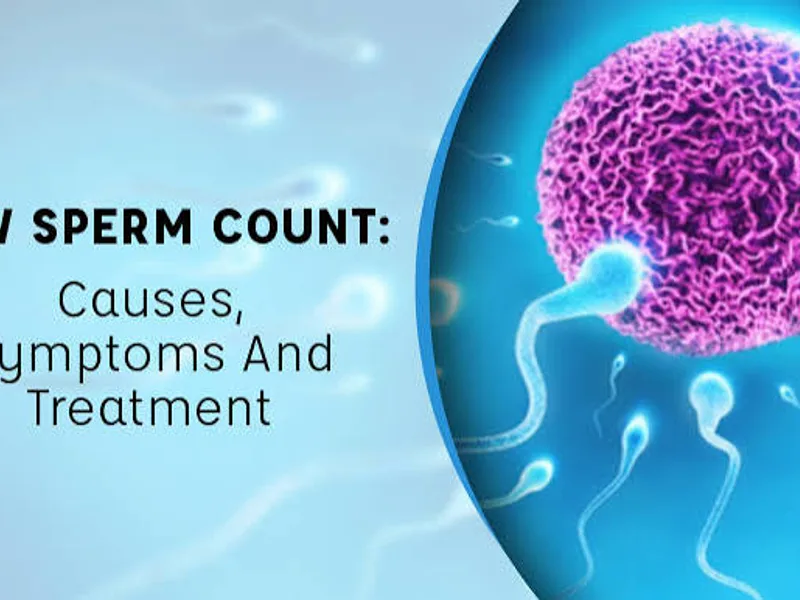
What is a low sperm count?
A low sperm count, medically called oligospermia, means there are fewer sperm than expected in a semen sample. Mayo Clinic uses fewer than 15 million sperm per millilitre as a low concentration, although fertility depends on more than the number alone. Sperm movement and shape also matter.
Some men with a low sperm count can still father a child. Others may have difficulty conceiving even when the sperm count falls within a typical range.
That is why a semen report should be interpreted as a whole rather than judged from one number.
1. Varicocele
A varicocele is an enlargement of veins around the testicle. It is a common and potentially treatable cause of male infertility and can affect sperm count and quality.
Some men have no symptoms. Others notice a dull ache, heaviness or enlarged veins in the scrotum.
Men concerned about testicular health can also explore Doctar's guide to understanding the scrotum.
2. Hormonal problems
Sperm production depends on signals between the brain, pituitary gland and testicles.
Problems involving testosterone, follicle-stimulating hormone (FSH), luteinizing hormone (LH), thyroid hormones or other parts of this system can interfere with sperm production.
This is where testosterone treatment can become confusing.
Low testosterone does not mean a man trying to have a baby should automatically take testosterone. Testosterone supplied from outside the body can suppress the hormonal signals needed for sperm production.
Doctar's guide to understanding testosterone levels explains why hormone results need to be interpreted in their clinical context.
3. Testosterone therapy and anabolic steroids
This deserves special attention because it is sometimes overlooked.
Testosterone replacement therapy (TRT) and anabolic steroids can suppress natural sperm production. A man may notice improved energy or changes in muscle mass while his sperm count falls.
Mayo Clinic lists testosterone replacement therapy and long-term anabolic steroid use among factors that can impair sperm production and male fertility.
Doctar's testosterone and men's health guide provides additional information about testosterone products and their potential effects.
In clinical practice, this is an important question to ask early: Is the man taking testosterone, anabolic steroids or a gym product marketed as a hormone booster? The answer can change the entire fertility assessment.
4. Infections
Some infections can interfere with sperm production or damage the reproductive tract.
Inflammation of the testicles or epididymis and certain sexually transmitted infections can affect sperm health. In some cases, scarring can block the passage of sperm.
Not every infection causes permanent fertility problems, but persistent testicular pain, swelling or other reproductive symptoms should be evaluated.
5. Blockage in the sperm-carrying tubes
Sometimes the testicles make sperm normally, but the sperm cannot reach the semen.
Previous infections, injuries and surgeries can cause blockages in the reproductive tract. Vasectomy is an intentional example of sperm-transport blockage. Certain inherited conditions can also affect the development of these tubes.
In selected cases, surgery can repair a blockage or doctors can retrieve sperm for assisted reproductive treatment.
6. Problems with ejaculation
Sperm must be delivered into the semen for natural conception to occur.
Retrograde ejaculation happens when semen travels backward into the bladder instead of leaving through the penis. Diabetes, spinal injuries, certain medicines and some bladder, prostate or urethral surgeries can contribute to this problem.
Ejaculation disorders can therefore affect fertility even when sperm production itself is normal.
Men experiencing persistent ejaculation difficulties can also read about delayed ejaculation and other male sexual-health concerns.
7. Genetic conditions
Some genetic conditions interfere with sperm production or the development of the reproductive system.
Klinefelter syndrome, for example, can substantially reduce sperm production. Other genetic conditions associated with male infertility include cystic fibrosis-related disorders and certain conditions affecting hormone regulation.
Genetic testing may be considered when sperm production is severely impaired or the medical history suggests an inherited cause.
8. Undescended testicles
The testicles normally move into the scrotum before birth. When one or both remain undescended, fertility may be affected later in life.
A history of undescended testicles should therefore be mentioned during a fertility assessment.
9. Cancer and cancer treatment
Cancer itself can affect reproductive organs, but treatment can also affect fertility.
Chemotherapy and radiation may damage sperm-producing cells. Some surgeries can also interfere with sperm production or transport. The effect can be temporary or permanent depending on the treatment and individual circumstances.
Men who may want children in the future should discuss fertility preservation before cancer treatment whenever possible.
10. Certain medicines
Some prescription medicines can affect sperm production or ejaculation.
Mayo Clinic lists medicines used for conditions including arthritis, depression, anxiety, high blood pressure, infections and cancer among treatments that may affect male fertility.
That does not mean a man should stop his medicine. Instead, tell the prescribing doctor about fertility concerns so the risks and alternatives can be considered.
11. Smoking and alcohol
Smoking is associated with lower sperm counts and poorer reproductive health. Heavy or ongoing alcohol use can also reduce testosterone and sperm production.
Doctar's article on alcohol's impact on testosterone discusses the relationship between alcohol, hormones and male health.
Stopping tobacco and reducing heavy alcohol use can benefit overall health as well as fertility.
12. Recreational drugs and anabolic steroids
Anabolic steroids can significantly suppress the body's own sperm production. Cocaine and marijuana may also affect sperm number or quality, although the evidence varies by substance and pattern of use.
This is one reason fertility treatment should begin with an honest medication and substance history. There is no benefit in hiding gym-drug or recreational-drug use from a fertility specialist.
13. Obesity and metabolic health
Excess body weight can affect male fertility through both metabolic and hormonal pathways.
Obesity has been associated with poorer semen quality and hormonal changes that may interfere with reproductive function.
Weight is not a fertility verdict, however. A man with obesity can still have normal sperm production, while a lean man can have a significant sperm disorder.
14. Excessive heat
Sperm production is sensitive to temperature.
Long-term exposure to excessive heat around the testicles may affect sperm production and function. Occupational heat, some industrial environments and repeated high-temperature exposure are among the factors doctors may consider.
Claims about everyday activities such as laptop use or tight clothing are less certain. Evidence is not strong enough to say that these activities routinely cause infertility.
15. Chemicals and environmental exposure
Long-term exposure to pesticides, insecticides, organic solvents and certain industrial chemicals may affect sperm production.
Heavy metals such as lead can also harm fertility, while significant radiation exposure can reduce sperm production.
Men who work around chemicals or heavy metals should tell their doctor about occupational exposure during a fertility evaluation.
16. Stress and poor overall health
Long-term emotional stress may affect semen quality, while stress can also indirectly affect fertility by disrupting sleep, sexual activity and general health.
Doctar's stress-management guide and anxiety-management guide may be useful when psychological stress is part of the picture.
17. Sometimes no cause is found
This can be one of the most frustrating parts of fertility medicine.
Even after medical history, examination and testing, doctors may not identify one clear reason for a low sperm count. Mayo Clinic notes that the cause often cannot be found.
An unexplained result does not mean there are no treatment options. Depending on the sperm findings and the couple's circumstances, fertility specialists may consider medical treatment, surgery or assisted reproductive techniques.
How is low sperm count diagnosed?
A semen analysis is usually the starting point.
Because sperm counts can naturally vary and collection problems can affect the result, doctors commonly use more than one semen sample rather than making a decision from a single test.
Depending on the results, evaluation may include a physical examination, hormone testing, scrotal ultrasound, genetic testing or tests for sperm-transport problems.
Doctar's semen and sperm guide can help readers understand what a semen report actually measures.
When should you see a doctor?
Consider a fertility evaluation if pregnancy has not occurred after 12 months of regular unprotected intercourse. Earlier assessment can be appropriate when there is a history of testicular problems, surgery, cancer treatment, sexual dysfunction, known hormonal problems or other fertility risk factors.
See a doctor sooner if you have:
testicular pain, swelling or a lump
erectile or ejaculation problems
very low libido
a history of undescended testicles
previous testicular or groin surgery
current or previous testosterone or anabolic-steroid use
A urologist, andrologist or reproductive-medicine specialist can determine what testing is appropriate.