Malaria has emerged as one of Jharkhand's most pressing infectious-disease concerns this year, with East Singhbhum and West Singhbhum carrying a particularly large share of the state's reported burden.
According to a Jharkhand Health Department statement reported in July, the state recorded 16,728 malaria cases between January and June 2026. East Singhbhum accounted for 6,527 cases, while West Singhbhum reported 6,172 cases. Together, the two districts represented nearly 76% of the state's reported malaria cases during that period.
The figures put the two Singhbhum districts firmly at the centre of the state's malaria-control efforts. Health officials have called for stronger surveillance, timely testing, complete treatment, adequate medicine supplies and intensified mosquito-control measures.
Residents looking for a doctor can also use DOCTAR's general physician search to locate primary-care doctors.
East Singhbhum Malaria Cases Increased Sharply
East Singhbhum saw a particularly serious outbreak during June and July. Earlier state data showed 4,822 cases by the end of May, up from 2,820 reported through April.
The situation became especially concerning in parts of the district, including Potka. By July, health teams were carrying out extensive testing and vector-control operations in affected areas.
A July 22 report said Potka recorded 227 malaria cases during the week of July 15–21, including 170 Plasmodium falciparum, 54 Plasmodium vivax and three mixed infections. More than 3,500 people were tested on four of those days, while more than 2,400 were tested on each of the other three days. The reported positivity rate had fallen from 5.23% on June 29 to 1.26%.
The figures show why testing matters during an outbreak. A person may have symptoms that look like an ordinary fever, while the actual infection requires specific testing.
For people with unexplained fever, adult fever guidance on DOCTAR provides general information about symptoms and when medical assessment may be needed.
West Singhbhum Also Remains a High-Burden District
West Singhbhum has not been far behind. State data reported in June showed 4,891 malaria cases by May 2026, compared with 3,590 through April.
By the end of June, the reported total had reached 6,172 cases, according to the state Health Department figures cited in July.
The district's geography and rural settlements make sustained surveillance particularly important. The Integrated Disease Surveillance Programme also documented a fever outbreak investigation in Mundiedal village in Chakradharpur in April. Although the 17 blood samples collected there tested negative for malaria, anti-malaria measures, fever surveillance and fogging were undertaken because the clinical picture raised concern.
That distinction matters. Not every fever in a malaria-prone area is malaria, and testing is necessary rather than assuming the cause.
People seeking nearby facilities can browse hospitals listed on DOCTAR or use its diagnostic-centre search.
Why Malaria Can Become Serious
Malaria is caused by parasites transmitted through the bite of infected female Anopheles mosquitoes. In India, Plasmodium falciparum is particularly important because it can progress rapidly and cause severe disease.
The 2026 outbreak in East Singhbhum has included a substantial number of P. falciparum infections. The July Potka data, for example, showed 170 falciparum infections among 227 cases reported that week.
Severe malaria can affect the brain, blood, kidneys and other organs. A dangerous neurological complication is cerebral malaria, in which the infection affects the brain and can lead to confusion, seizures or loss of consciousness.
In clinical practice, one problem with malaria is that early symptoms can look deceptively ordinary. Fever, chills, weakness and body aches are easy to dismiss, especially when several infections are circulating at the same time.
For additional reading, see DOCTAR's guide to fever with low platelets, which discusses malaria alongside dengue, typhoid and other causes of fever.
Symptoms That Should Not Be Ignored
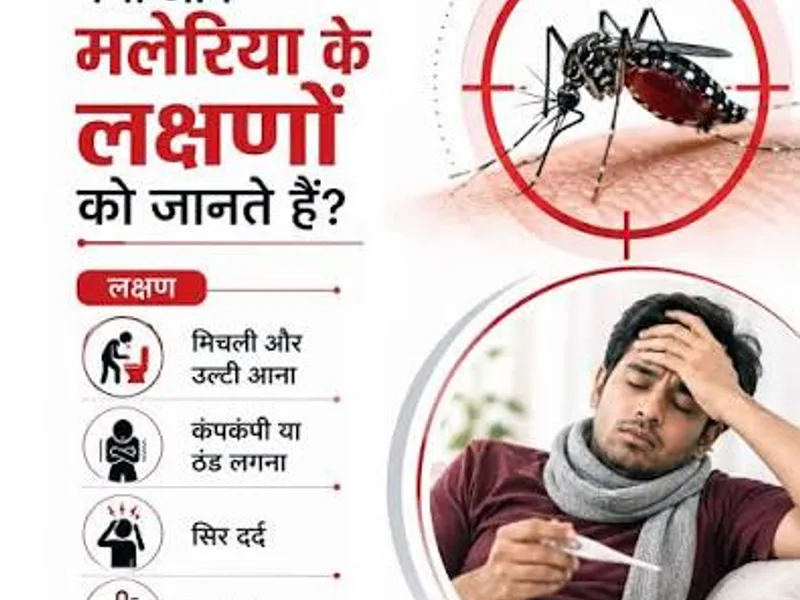
Malaria commonly causes fever and chills, but symptoms can vary from person to person. Some patients may initially have headache, weakness, sweating, nausea or body aches.
Seek prompt medical evaluation when fever is persistent, recurrent or accompanied by worsening weakness.
More urgent assessment is warranted if fever is associated with:
Confusion or unusual drowsiness
Seizures
Difficulty breathing
Severe weakness
Repeated vomiting
Fainting or collapse
Yellowing of the eyes or skin
Reduced urine output
Severe headache or altered behaviour
These symptoms do not prove that someone has severe malaria. They indicate that the illness needs medical assessment without delay.
If symptoms become severe, use DOCTAR's emergency hospital search rather than waiting for a routine appointment.
How Authorities Are Responding
Jharkhand authorities have increased surveillance and outbreak-control activities in response to the rise in cases.
The state has directed districts to strengthen fever surveys, malaria testing, treatment, medicine availability and mosquito-control operations. In East Singhbhum, measures have included Indoor Residual Spraying (IRS), fogging and intensified testing.
A statewide health alert was also issued after malaria-related deaths were reported in East Singhbhum. The state directed district administrations to improve rapid testing, provide prompt treatment and refer seriously ill patients to hospitals when necessary.
Local reporting in July also described large-scale screening in East Singhbhum, with more than 100,000 tests reported over a 14-day period during an intensified campaign.
These measures are not just about treating people who are already sick. Mosquito control, early case detection and reducing transmission in affected communities are all part of outbreak management.
Malaria Testing: Why It Matters
A fever alone cannot reliably distinguish malaria from dengue, typhoid, viral infections or other illnesses.
Doctors may use a malaria rapid diagnostic test or examine a blood smear for malaria parasites. The choice of test depends on the clinical situation and local testing facilities.
DOCTAR's diagnostic-centre directory can help users look for testing facilities. Its listings include malaria-related diagnostic services in some locations, although patients should confirm availability directly with the centre.
A positive test should be interpreted by a qualified medical professional. Treatment depends on the malaria species, severity, local resistance patterns and the patient's clinical condition, so people should not self-medicate with antimalarial drugs.
Protecting Families During the Outbreak
Mosquito control remains a practical part of prevention. People living in or travelling through affected areas can reduce exposure by using mosquito nets, wearing clothing that limits exposed skin and following local public-health advice about insecticide spraying.
Standing water around homes should also be addressed where feasible because mosquito breeding can increase transmission risk. Community-level measures matter just as much as individual precautions during an outbreak.
Families with children should be particularly alert to worsening fever or changes in behaviour. If a child becomes unusually sleepy, confused, weak or difficult to wake, medical attention should be sought urgently.
Parents can also use DOCTAR's pediatrician listings to find child-health services where available.
Malaria, Dengue or Another Fever?
Jharkhand's mosquito-borne disease burden makes symptom overlap a real challenge. Dengue can also cause fever, headache, body aches and weakness, while malaria may cause fever with chills and sweating.
That is why a person should not assume that every mosquito-related fever is malaria. DOCTAR's dengue symptoms guide explains common dengue symptoms and warning signs.
Similarly, the fever and low platelet guide explains why several infections can produce overlapping laboratory findings.
The safest approach is simple: persistent or significant fever deserves medical evaluation, especially in an area experiencing increased malaria transmission.
Where to Seek Care
Patients with uncomplicated fever can start with a qualified general physician who can assess symptoms and decide whether malaria testing is appropriate.
For people searching online, DOCTAR's general physician directory provides a starting point for finding doctors.
Hospital care may be necessary when symptoms are severe or complications are suspected. DOCTAR's hospital directory allows users to search healthcare facilities, while its emergency hospital directory is intended for urgent situations.
For diagnostic needs, DOCTAR Diagnostics provides another route for locating testing centres. Patients should always confirm the specific malaria test and current availability before visiting.
What the 2026 Numbers Mean for Singhbhum
The headline figure is striking: 12,699 malaria cases had been reported in East Singhbhum and West Singhbhum by June 2026, based on the state figures cited by national media. That represents nearly three-quarters of Jharkhand's reported malaria burden during the first six months of the year.
But the numbers should not be read as a forecast of how many people will ultimately become infected. Case totals can change as surveillance expands, testing increases and new infections are detected.
The July experience in East Singhbhum also shows why raw case numbers need context. Intensive screening can initially uncover more infections, while falling positivity rates can later indicate that control measures are beginning to work.
For West Singhbhum, continued fever surveillance and timely testing remain important, particularly in communities where access to healthcare may require travel.