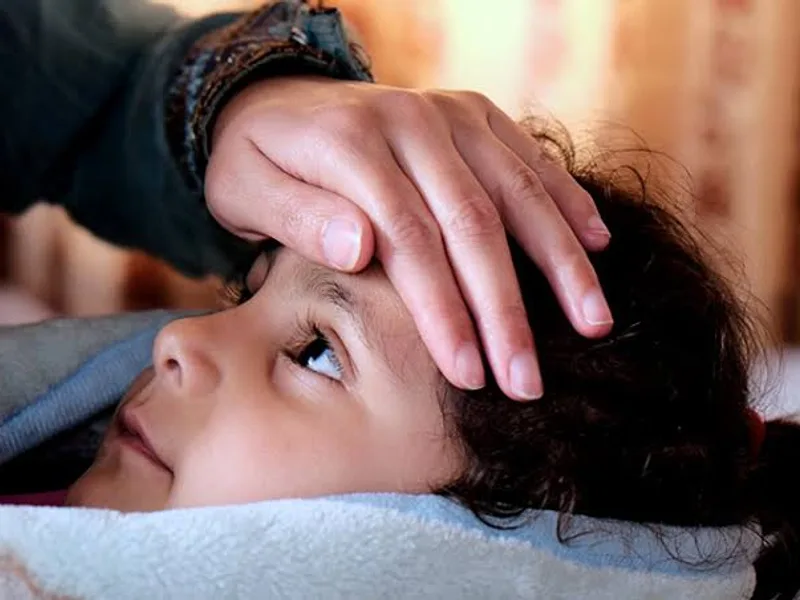
Why children react differently to malaria
A child's immune system hasn't built up the same defenses an adult's has, especially if this is their first exposure to the malaria parasite. That means the disease can move faster in a child's body, sometimes within a day or two of the first fever.
Infants and children under five are considered the highest-risk group in most malaria-endemic regions. Their smaller body size also means dehydration and low blood sugar set in quicker during a high fever, which complicates things further.
Here's what a lot of parents don't realize: a child can look reasonably fine in the morning and be lethargic and vomiting by evening. That swing isn't dramatization, it's just how quickly a young child's condition can shift, and it's exactly why watching and waiting isn't always the safest approach.
Early symptoms parents often miss
The first signs of malaria in a child are frustratingly ordinary. Fever, chills, irritability, poor appetite, and tiredness look almost identical to a viral cold or a stomach bug. That overlap is the whole problem.
A few patterns worth noting:
Fever that comes in cycles — spiking, breaking into sweats, then returning a day or two later — is more typical of malaria than a standard viral fever.
Younger children may not complain of headache or body ache directly; instead they get clingy, cry more than usual, or refuse to eat.
Vomiting and mild diarrhea can accompany the fever, which sometimes leads parents to assume it's a stomach infection instead.
In clinical practice, this is often missed because the fever pattern in the first 24 to 48 hours can look completely unremarkable. Parents reasonably try paracetamol and rest first — and that's fine for a day — but if the fever keeps returning in cycles, it's time to stop guessing and get a blood test.
When to see a doctor, not wait it out
If a child's fever lasts more than 24 to 48 hours, especially in a malaria-prone area or after recent travel to one, don't wait for it to resolve on its own. Book a same-day consult with a pediatrician rather than assuming it's routine.
Certain symptoms should skip the wait entirely. Seizures, extreme drowsiness or difficulty waking the child, repeated vomiting that prevents fluids from staying down, rapid breathing, or a bluish tint to lips or fingertips are all signs of a medical emergency. In these cases, head to emergency services immediately or call for an ambulance — this is not a "wait for the morning appointment" situation.
If you're unsure whether symptoms are serious enough to warrant urgent care, a quick call to a general physician or pediatrician can help you decide faster than searching online for another hour.
Getting the right test, not just a guess
Malaria in children is confirmed with a blood test, either a rapid diagnostic test or a blood smear examined under a microscope. Guessing based on symptoms alone isn't reliable enough, particularly because the fever pattern can overlap with dengue, typhoid, or a routine viral illness.
A diagnostic center can usually turn around results within a few hours. If your child needs to be tested and travel feels difficult with a sick toddler in tow, ask about home sample collection through diagnostics services before defaulting to a clinic visit.
Treatment and home care
Once malaria is confirmed, treatment is typically medication-based and managed either at home or, in more severe cases, in a hospital. The specific drug and dosage depend on the child's age, weight, and the type of malaria parasite involved — this is not something to piece together from an online chart, and it should come directly from the treating doctor.
For children recovering at home, a home visit doctor can be genuinely useful, especially for repeat check-ins without dragging a tired, unwell child back and forth to a clinic. If the treatment plan includes injections or close monitoring, a nurse or compounder can support day-to-day care at home.
Hydration matters more than people expect during recovery. Fever pushes fluid loss up, and kids are notoriously bad at drinking enough water when they feel unwell. Small, frequent sips of ORS or water work better than pushing a full glass at once.
Feeding a sick child during recovery
Appetite usually drops during and right after a malaria episode, and that's normal, not a separate problem to panic about. Pushing large meals rarely helps; smaller, more frequent, easy-to-digest food does better.
If a child's appetite doesn't bounce back within a week or two after recovery, or if weight loss becomes noticeable, it's worth checking in with a dietitian to rebuild a proper eating routine rather than assuming it'll sort itself out.
Prevention at home
Bite prevention matters just as much for children as treatment does, arguably more since prevention avoids the whole ordeal. Insecticide-treated mosquito nets used every night, screened windows, and child-safe repellents during peak biting hours (dusk to dawn) are the basics that actually work.
Avoid overnight mosquito coils in a closed bedroom with a child sleeping inside — ventilation matters here. If you're unsure which repellent is safe for your child's age, a quick question to your pediatrician is worth more than any product label.
Follow-up care that parents often skip
Treatment doesn't end when the fever breaks. A follow-up blood test a week or two later confirms the parasite has actually cleared, not just that symptoms have faded. Skipping this step is one of the more common reasons for relapse or a missed low-level infection.
Most pharmacies stock the standard antimalarial medications prescribed for children, though it's worth confirming availability ahead of time in smaller towns. If the child was hospitalized during the acute phase, ask the hospital about a discharge follow-up schedule before leaving.
Find pediatric care near you
Doctar lists verified pediatricians and general physicians across major Indian cities, which helps when you need a same-day appointment and not a two-week wait. Whether you're in Delhi, Mumbai, Kolkata, Bangalore, Chennai, or Jaipur, you can search doctors nationwide or browse all doctors near you. For more health explainers written for parents, check the Doctar blog, and read About Doctar to understand how the platform connects patients with doctors directly.