Malaria in India: Understanding the Threat
Meena, 45, a homemaker from Jaipur, noticed a persistent fever that wouldn't break. It was accompanied by intense chills and body aches. Initially, she dismissed it as a common viral infection, but the symptoms worsened, leading her to a local clinic.
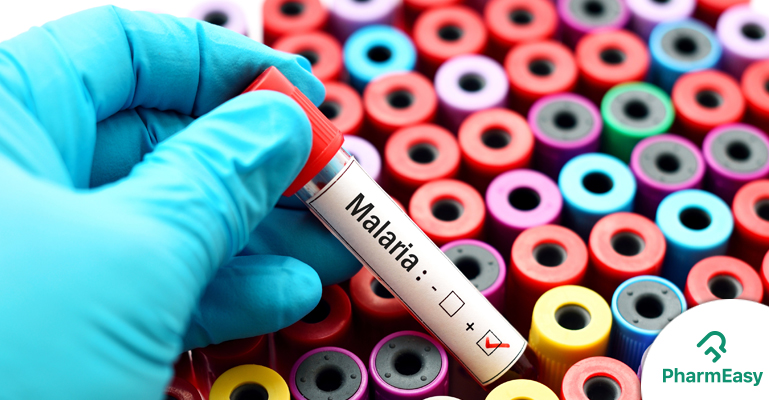
There, a rapid diagnostic test confirmed her worst fear: a parasitic infection. This scenario, unfortunately, is not uncommon across India, a country that grapples with a significant burden of this insect-borne disease.
This parasitic illness remains a major public health challenge, particularly in tropical and subtropical regions. India accounts for a substantial number of cases globally.
The National Vector Borne Disease Control Programme (NVBDCP) has been striving to eliminate this disease, but the sheer scale of the problem, coupled with environmental factors and population density, makes it an uphill battle. Think about it this way: the tiny biting insect acts as a winged courier, carrying a dangerous parasite from one person to another.
Understanding Malaria: The Parasite and Its Spread
This illness is caused by parasitic protozoans of the genus Plasmodium. These parasites are transmitted to humans through the bites of infected female Anopheles insects. The insect, after feeding on an infected person, picks up the parasites. When this infected insect then bites another person, it injects the malaria parasites into their bloodstream, initiating the infection.
Worth knowing: The lifecycle of the malaria parasite is complex, involving both insects and humans. Once inside the human body, the parasites travel to the liver, where they mature and multiply.
then, they invade red blood cells, leading to the characteristic signs of the illness. The disease can range from mild to life-threatening, depending on the parasite type and the individual's health status.
Recovery is rarely linear.
The Culprits: Species of Plasmodium
There are several types of Plasmodium that can infect humans, but four are of primary concern in India:
- Plasmodium falciparum: This is the most dangerous type and is responsible for the majority of critical illness cases and deaths worldwide. It primarily affects the brain (cerebral malaria) and other vital organs.
- Plasmodium vivax: This type is more widespread in India and causes a meaningful number of illness cases. While generally less critical than P. falciparum, it can cause recurring illness because dormant liver stages (hypnozoites) can reactivate months or even years after the initial infection.
- Plasmodium ovale: This type is rare in India but can also cause recurring illness.
- Plasmodium malariae: This type causes quartan fever, characterized by fever cycles occurring every 72 hours. It is less typical than P. vivax and P. falciparum.
The World Health Organization (WHO) estimates that over 240 million cases of this illness were reported globally in 2021, with a considerable portion originating from the WHO South-East Asia Region, including India. In India, both P. vivax and P. falciparum are prevalent, with the latter posing a greater threat due to its potential for critical complications.
How Does Malaria Spread in India?
The spread of this disease in India is closely linked to environmental conditions and human behaviour. The monsoon season, for instance, creates numerous breeding sites for biting insects as stagnant water accumulates. Festivals often involve dietary changes and increased social gatherings, which can inadvertently increase exposure risk.
On top of that,, population density in urban and rural areas facilitates rapid transmission. Floor sitting, usual in many Indian homes, can also increase proximity to insects that tend to rest at lower levels.
Here's the thing: the Anopheles insect is most active during the twilight hours and early morning. This means people are most vulnerable to bites during these times. In many cases, people living in or travelling to affected areas are at the highest likelihood. The Indian Council of Medical Research (ICMR) continually conducts surveillance to monitor the prevalence and distribution of this illness across different states.
signs of Malaria: Recognizing the Red Flags
The warning signs of this illness typically appear 10-15 days after the bite of an infected insect. However, this incubation period can vary depending on the Plasmodium type. Early indicators often mimic those of other widespread illnesses, making prompt diagnosis crucial.
Does this sound familiar? The classic presentation of this disease includes cycles of fever, chills, and sweating. These cycles, often referred to as malarial paroxysms, usually occur every 2-3 days, depending on the parasite type.
The Typical Malarial Paroxysm
A malarial paroxysm typically unfolds in three stages:
- Cold Stage: The person feels cold, shivers intensely, and the skin may become pale. This stage can last from 15 minutes to an hour.
- Hot Stage: The fever rises rapidly, reaching 104°F (40°C) or higher. The person feels very hot, experiences headache, nausea, vomiting, and sometimes delirium. This stage can last for several hours.
- Sweating Stage: The fever breaks, and the person sweats profusely. This brings a sense of relief, and the body temperature returns to normal or below normal. This stage also lasts for a few hours.
Beyond these classic indicators, other typical signs of this illness include:
- Intense headache
- Muscle aches and joint pain
- Fatigue and weakness
- Nausea and vomiting
- Diarrhea
- Abdominal pain
- Anemia (due to the destruction of red blood cells)
What should you actually do? If you experience these indicators, especially after travelling to an area where this disease is widespread, seek immediate medical attention.
When Malaria Becomes Severe
In some instances, particularly with Plasmodium falciparum infection, this illness can progress to critical, life-threatening complications. Cerebral malaria, where the brain is affected, is a critical emergency. indicators of critical malaria can include:
- Confusion or altered consciousness
- Seizures
- Intense anemia
- Respiratory distress
- Kidney failure
- Jaundice
- Shock
Prompt recognition and treatment are paramount in these critical cases. Early intervention can significantly improve outcomes and prevent long-term damage.
Diagnosis of Malaria
Accurate diagnosis is the first step towards effective therapy. Several diagnostic methods are available:
- Microscopy: This is the gold standard for diagnosing this illness. A blood smear is examined under a microscope to detect the presence of malaria parasites and identify the type. However, it requires skilled technicians and laboratory facilities.
- Rapid Diagnostic Tests (RDTs): These are antigen-detection tests that can be performed quickly at the point of care, even in remote settings. They are useful for rapid screening but may have limitations in detecting low parasite densities or differentiating between types accurately.
- Molecular Methods (e.g., PCR): These highly sensitive tests can detect parasite DNA and are useful for research and confirming difficult cases, but they are not typically used for routine diagnosis due to cost and complexity.
The choice of diagnostic method often depends on the availability of resources and the clinical suspicion. For instance, in a remote village during monsoon season, an RDT might be the most practical first step, followed by microscopy if available and suspicion remains high.
This is where most patients struggle.
therapy of Malaria
management for this illness depends on several factors, including the severity of the illness, the type of Plasmodium identified, and the patient's age and overall health. Antimalarial drugs are the mainstay of management.
For uncomplicated illness caused by P. falciparum, artemisinin-based combination therapies (ACTs) are recommended by the WHO and are widely used in India. These combinations provide a potent cure and help prevent drug resistance. If P. vivax is the cause, treatments typically include a blood schizonticide (like chloroquine or ACTs) followed by a course of primaquine to eradicate the dormant liver stages and prevent relapses.
In cases of critical illness, hospitalization is essential. intervention often involves intravenous antimalarial drugs (like artesunate) and supportive care to manage complications such as seizures, respiratory failure, or kidney problems.
The Lancet has published numerous studies highlighting the efficacy of different therapy regimens and the challenges posed by drug resistance.
Combating Drug Resistance
A marked concern in treating this illness is the emergence of drug-resistant strains of the parasite. This underscores the importance of completing the full course of prescribed medication and using combination therapies.
Adherence to intervention protocols, as recommended by institutions like the Indian Council of Medical Research (ICMR), is crucial in preserving the effectiveness of antimalarial drugs.
Prevention is Key
Given the major impact of this disease, prevention strategies are vital. The primary goal is to prevent insect bites and control insect populations.
Personal Protection Measures
Protecting yourself from insect bites is the first line of defence:
- Insecticide-treated nets (ITNs): Sleeping under ITNs, especially during peak insect biting hours, significantly reduces transmission.
- Repellents: Using insect repellents containing DEET, picaridin, or IR3535 on exposed skin can be powerful.
- Protective Clothing: Wearing long-sleeved shirts and long pants, particularly during dawn and dusk, helps minimize exposed skin.
- Staying Indoors: Limiting outdoor activities during peak insect biting times can reduce exposure.
Community-Level Interventions
Beyond individual efforts, community-wide actions are critical:
- Vector Control: This includes indoor residual spraying (IRS) with insecticides and larval source management (eliminating or treating insect breeding sites like stagnant water).
- Environmental Management: Proper waste disposal and drainage can reduce potential breeding grounds.
- Public Awareness: Educating communities about transmission, indicators, and prevention methods is fundamental.
The International Diabetes Federation (IDF) might not directly focus on this illness, but understanding the interplay between chronic diseases and infectious diseases is important for holistic health. For example, individuals with diabetes may have a weakened immune system, potentially making them more vulnerable to critical malaria if infected.
Living with Malaria in India: Challenges and Outlook
This disease poses a persistent threat across various states in India, with higher incidences reported in eastern and northeastern regions, as well as in tribal areas. The challenge is compounded by factors such as migration, inadequate healthcare infrastructure in remote areas, and climatic changes that can influence insect breeding patterns.
Most people overlook this completely.
The NVBDCP, in collaboration with state governments and international organizations, continues to implement control and elimination programs, aiming to reduce the burden of this illness significantly.
The fight against this disease requires a concerted effort from individuals, communities, healthcare providers, and policymakers. With continued vigilance, impactful care, and robust prevention strategies, India is working towards a future free from this illness.
Key Takeaways
- This illness is a serious insect-borne disease caused by Plasmodium parasites, with P. falciparum and P. vivax being most typical in India.
- manifestations include fever, chills, sweating, headache, and body aches, often appearing 10-15 days after an infected insect bite.
- Critical illness, particularly from P. falciparum, can lead to life-threatening complications like cerebral malaria.
- Diagnosis relies on microscopy or rapid diagnostic tests (RDTs), with intervention depending on the parasite type and disease severity.
- Prevention focuses on avoiding insect bites through nets, repellents, protective clothing, and community-level vector control measures.
Always consult a qualified physician before making any medical decisions.