Fighting a Persistent Threat: Malaria in India
Meena, 45, a homemaker from Jaipur, experienced a recurring fever that refused to subside. Accompanied by chills and intense headaches, her days became unbearable. Initially, she dismissed it as a common cold, a frequent assumption during the post-monsoon period in many parts of India.
However, when the fever lingered and exhaustion set in, her family urged her to consult a doctor. Her diagnosis: a parasitic illness. This situation is not unusual across India, where this vector-borne ailment continues to pose a substantial public health challenge.
The truth is, this disease remains a formidable obstacle, particularly in tropical and subtropical climates. Affecting millions worldwide, it’s an illness spread by insects and caused by microscopic organisms. Understanding its various aspects is vital for effective prevention and prompt treatment.
So, what does this signify for you? It means staying informed is your primary defence.
What is This Disease?
This condition is a serious, and at times fatal, illness caused by a microorganism belonging to the genus Plasmodium. These organisms are passed to humans through the bites of infected female Anopheles insects. This transmission method makes insect control a fundamental aspect of public health initiatives against this ailment. The World Health Organization (WHO) reports that in 2022, there were 249 million instances globally, leading to 608,000 fatalities. India, despite making considerable headway, still contributes to these figures.
Types of This Illness
Several varieties of Plasmodium can lead to this sickness in humans. The most frequent and clinically significant types include:
Plasmodium falciparum
This is the most dangerous type of the causative organism. P. falciparum infections are prevalent in Africa and account for a major proportion of fatalities worldwide. In India, while P. vivax is more usual, P. falciparum also presents a considerable danger, especially in certain areas where it is endemic. It can lead to grave forms of the disease, resulting in complications like brain involvement, anaemia, and breathing difficulties. Resistance to medications is also a growing worry with this variety.
Plasmodium vivax
This is the most widespread type of the causative organism in India and Southeast Asia. While generally less dangerous than P. falciparum infections, P. vivax can cause incapacitating sickness and recurring episodes. A distinctive trait of P. vivax is its capacity to lie dormant in the liver (as hypnozoites) for weeks or months after the initial infection, leading to relapses even after successful management of the bloodstream stage of the infection. This characteristic makes complete elimination more challenging.
Other Varieties
Other types include Plasmodium ovale, Plasmodium malariae, and Plasmodium knowlesi. P. ovale and P. malariae are relatively uncommon and typically result in milder infections. P. knowlesi, found in parts of Southeast Asia, is a parasite of monkeys that can infect humans and cause serious illness, sometimes mimicking the effects of P. falciparum infections.
Origins of This Sickness
The primary origin of this illness is infection with Plasmodium organisms. Have you ever pondered the reason why? It involves a complex cycle encompassing insects and people. The transmission cycle includes:
- Insect Bite: When an infected female Anopheles insect bites a person, it injects Plasmodium organisms (in the form of sporozoites) into the bloodstream.
- Liver Phase: The organisms travel to the liver, mature, and multiply.
- Blood Phase: Mature organisms then infect red blood cells, multiply further, and eventually rupture, triggering the symptoms of the illness.
- New Insect Infection: If another Anopheles insect bites an infected individual during this phase, it consumes the organisms, perpetuating the cycle.
Practically speaking, the presence of breeding grounds for these biting insects—stagnant water bodies, open drains, and uncovered water containers—significantly elevates the risk of transmission, especially during and after the monsoon season in India. Factors like insufficient sanitation and poor housing conditions can worsen this issue.
Most people overlook this completely.
warning signs of This Ailment
manifestations typically manifest 10-15 days after the infected insect bite. These can differ in intensity and how they present. The hallmark warning signs include:
- Fever: Often high and fluctuating, it can occur in distinct periods.
- Chills: Intense episodes of shivering.
- Sweats: Profuse perspiration frequently follows the fever.
- Headache: Intense and continuous.
- Muscle Aches: Generalised discomfort throughout the body.
- Fatigue: Extreme tiredness and lack of energy.
- Nausea and Vomiting: widespread, particularly in younger individuals.
In certain instances, especially with P. falciparum infection, the illness can advance to critical stages. Signs of critical illness can include confusion, convulsions, difficulty breathing, anaemia, jaundice, and kidney malfunction. Cerebral involvement, a complication where the brain is affected, is a medical emergency. The Indian Council of Medical Research (ICMR) emphasizes that early recognition and management are crucial to prevent progression to severe states.
danger Factors and Vulnerable Groups
While anyone can contract this disease, certain groups face a heightened chance. Infants, expectant mothers (especially during their first pregnancy), and individuals with HIV/AIDS or weakened immune systems are more prone to severe sickness.
People residing in or travelling to regions where the disease is widespread also encounter a greater danger. In India, remote rural areas, tribal communities, and urban slums often exhibit higher burdens of this illness due to a combination of factors such as limited access to healthcare, substandard housing, and environmental conditions favorable for insect proliferation.
Diagnosis of This concern
Swift and accurate diagnosis is essential for reliable management. The most typical diagnostic methods include:
- Microscopy: Blood smears are examined under a microscope to detect the presence of Plasmodium organisms and identify the species. This is regarded as the benchmark in many settings.
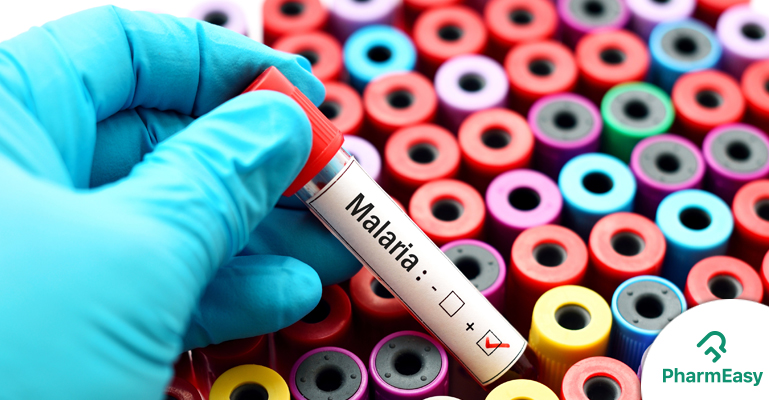
- Rapid Diagnostic Tests (RDTs): These are quick tests that detect specific substances from the parasite in the blood. RDTs are particularly useful in areas where microscopy facilities are not readily accessible. The Lancet has published numerous studies on the effectiveness and implementation of RDTs in various nations, including India.
Your healthcare provider will likely inquire about your travel history, signs, and conduct a physical examination. Based on this information, they will order the appropriate tests. Early detection can avert serious complications and curb the spread of the illness.
management of This Sickness
care is contingent upon the severity of the sickness, the specific Plasmodium species, and the patterns of drug resistance in the locality. Medications designed to combat this illness are the primary approach to therapy.
Uncomplicated Illness
For uncomplicated cases caused by P. falciparum, Artemisinin-based Combination Therapies (ACTs) are recommended by the WHO and are widely employed in India. For P. vivax infections, management typically involves a combination of an antimalarial drug to clear organisms from the blood and primaquine or tafenoquine to eradicate dormant liver forms (hypnozoites) and prevent relapses. It is imperative to complete the entire course of medication as prescribed.
Severe Illness
Critical illness is a medical emergency necessitating hospitalization. Intravenous antimalarial drugs, such as artesunate, are usually administered, alongside supportive care to manage complications like organ failure or seizures.
It sounds simple. It rarely is.
The International Diabetes Federation (IDF) has noted that poorly controlled diabetes can sometimes complicate the management of infectious conditions like this one, making prompt medical attention even more vital for individuals with co-existing health issues.
It's important to know: In India, the National Vector Borne Disease Control Programme (NVBDCP) sets forth guidelines for diagnosis and therapy, with the aim of controlling and eradicating the disease. Adherence to these national directives ensures standardized and proven care throughout the country.
Prevention of This Disease
Prevention is always preferable to care, especially for a situation like this. Key preventive actions include:
- Insect Bite Protection: Using insect repellent containing DEET, Picaridin, or IR3535 on exposed skin. Wearing long-sleeved shirts and trousers, particularly during dawn and dusk when Anopheles insects are most active. Installing protective screens on windows and doors.
- Insecticide-Treated Bed Nets (ITNs): Sleeping under ITNs, especially in areas where the disease is typical, significantly reduces insect bites and transmission.
- Indoor Residual Spraying (IRS): Applying insecticides inside homes can eliminate insects that rest on walls.
- Larval Source Management: Eliminating or treating insect breeding sites, such as draining stagnant water or using larvicides.
Cultural practices in India, such as the traditional habit of sitting on the floor in many homes, can increase exposure to biting insects if bed nets are not used consistently. Awareness initiatives frequently highlight the significance of ITNs, particularly for sleeping areas.
The Indian Scenario
India has achieved substantial progress in reducing instances and fatalities from this disease over the past two decades. However, challenges persist. The vastness and diversity of the nation, coupled with varying environmental conditions and socio-economic factors, contribute to the ongoing presence of the illness in certain regions.
This is where most patients struggle.
For instance, the Northeast states and tribal areas frequently report higher rates of occurrence. Continuous monitoring, a strong public health infrastructure, and community involvement are essential for maintaining the progress made and moving towards eradication. The objective set by the Indian government, in alignment with global goals, is to eliminate this disease by 2030.
So, what does this mean for you? It means remaining watchful for insect bites and seeking medical attention if you develop manifestations, particularly if you reside in or have visited an area prone to this illness.
The average number of reported cases annually in India has seen a notable decrease, from over 2 million in the early 2000s to approximately 300,000-400,000 in recent years, according to NVBDCP data. This advancement is praiseworthy but emphasizes the necessity for ongoing efforts.
Key Points to Remember
- This is a serious parasitic illness transmitted by Anopheles insects.
- Plasmodium falciparum and Plasmodium vivax are the most prevalent and concerning varieties in India.
- Key manifestations include cyclical fever, chills, sweats, headache, and body discomfort.
- Diagnosis is typically made through blood examination under a microscope or Rapid Diagnostic Tests (RDTs).
- approach involves specific medications, with ACTs recommended for P. falciparum and combined therapy for P. vivax.
- Prevention centers on avoiding insect bites, using insecticide-treated nets (ITNs), and controlling breeding sites.
Always seek advice from a qualified medical professional before making any health-related decisions.