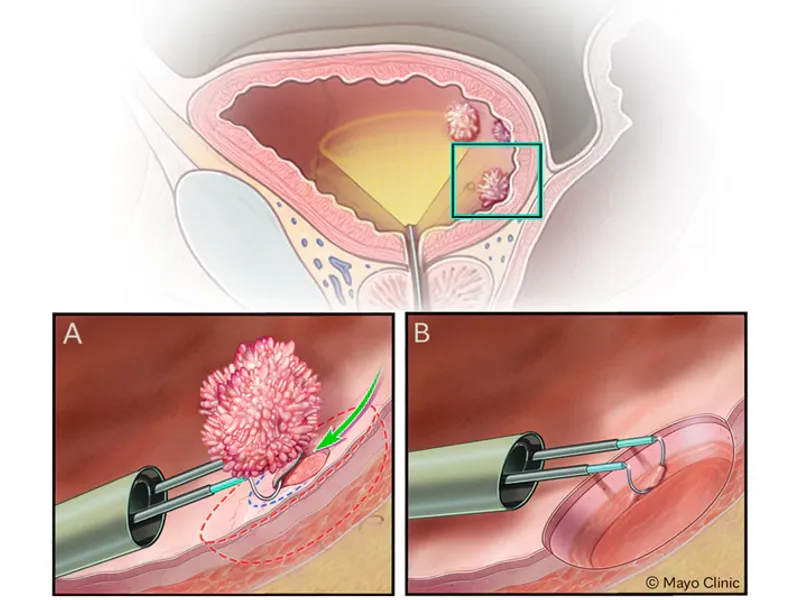
For decades, if bladder cancer came back after standard treatment, there weren't many places left to go. The next step was almost always radical cystectomy — surgical removal of the bladder. It's a major operation, and it changes how a person urinates for the rest of their life.
A new study is starting to change that picture. Researchers led by Mayo Clinic tested an experimental immunotherapy in patients whose high-risk bladder cancer had returned even after treatment with BCG (bacillus Calmette-Guérin), which is the usual first-line therapy. The results were published in The Lancet Oncology, and they're better than most people in the field expected.
What the Drug Actually Does
The treatment is called cretostimogene grenadenorepvec. That's a mouthful, so here's the plain-English version: it's a modified virus that's designed to infect and destroy cancer cells while also triggering the immune system to attack the tumor more aggressively. Doctors call this an "oncolytic" immunotherapy — oncolytic simply means it breaks down cancer cells directly.
It's given inside the bladder itself (called intravesical delivery), not through an IV, which is part of why side effects were mostly mild.
The Numbers, Without the Spin
The trial, known as BOND-003 Cohort C, enrolled 115 patients across 41 medical centers in North America, Asia, and Australia. That's a reasonably sized, genuinely international study — not a small pilot.
Here's what stood out:
Three out of four patients (75%) had a complete response, meaning no detectable cancer was found after treatment. Many of those responses held up for more than two years. And an estimated 81% of patients hadn't needed bladder removal surgery two years after starting treatment.
Dr. Mark Tyson II, the study's lead author and a urologist at Mayo Clinic in Arizona, put it plainly: patients whose cancer returned after BCG have historically had few good options besides losing the bladder. This study is one of the first to offer a credible alternative backed by phase 3 data.
Why This Matters More Than It Might Seem
In clinical practice, this is often the part patients underestimate going into a cystectomy conversation. Losing the bladder isn't just one surgery — it means a permanent change to how urine leaves the body, often through a stoma or a reconstructed internal pouch. It affects intimacy, body image, travel, sleep, and daily routine in ways that don't always come up until months after the operation. Any treatment that credibly delays or avoids that step deserves attention, and this one has the trial size and peer-reviewed publication to back it up.
That said, it's worth being honest about the limits here too. The drug hasn't been approved by the FDA yet. It also hasn't been tested head-to-head against other bladder-sparing treatments already in use, so doctors can't yet say definitively that it's better than existing alternatives — only that it worked well on its own in this trial.
Who This Might Apply To
This treatment isn't for anyone with bladder cancer. The study focused specifically on a group called BCG-unresponsive, non-muscle-invasive bladder cancer with carcinoma in situ. In simpler terms: cancer that's still confined to the bladder lining, hasn't spread into the muscle wall, and didn't respond to standard BCG therapy.
If your cancer falls outside that category — say, it's already invaded the muscle layer, or you haven't tried BCG yet — this particular trial's findings likely don't apply to your situation directly. That's a conversation to have with a urologist or oncologist who knows your specific case, not something to self-diagnose from a news article. Is it tempting to assume every new immunotherapy headline applies to your own diagnosis? Sure. But bladder cancer staging matters a lot here, and it changes the entire treatment conversation.
What to Do With This Information
If you or a family member has bladder cancer that's returned after BCG treatment, this study is worth bringing up directly with your care team. Ask whether you'd be a candidate for a bladder-sparing clinical trial, whether cretostimogene grenadenorepvec is available through an expanded access or trial program near you, and what your specific staging and risk profile mean for your options.
Bladder cancer treatment is moving faster than it has in years, and staying informed about your options — rather than assuming surgery is the only path — is worth the extra conversation with a specialist.