Medication for Dengue: What Actually Helps
There is no specific antiviral medication that cures dengue fever. Treatment is supportive: rest, hydration, and acetaminophen (paracetamol) for fever and pain. Aspirin, ibuprofen, and other NSAIDs should be avoided, since dengue can lower platelet counts and raise the risk of bleeding.
That single fact — no cure, only supportive care — surprises a lot of people searching for a quick fix. But knowing exactly which medications help and which ones make things worse can be the difference between a manageable illness and a dangerous complication.
Why There's No Cure for Dengue
Dengue is caused by one of four related viruses spread through the bite of infected Aedes mosquitoes. Because it's viral, antibiotics do nothing against it, and no antiviral drug has been approved to treat it directly. The World Health Organization (WHO) and the CDC both point to supportive care — not medication that targets the virus itself — as the mainstay of treatment.
That means the "medication for dengue" most people actually need isn't a prescription drug at all. It's a short list of do's and don'ts around symptom control.
The One Medication Doctors Recommend: Acetaminophen (Paracetamol)
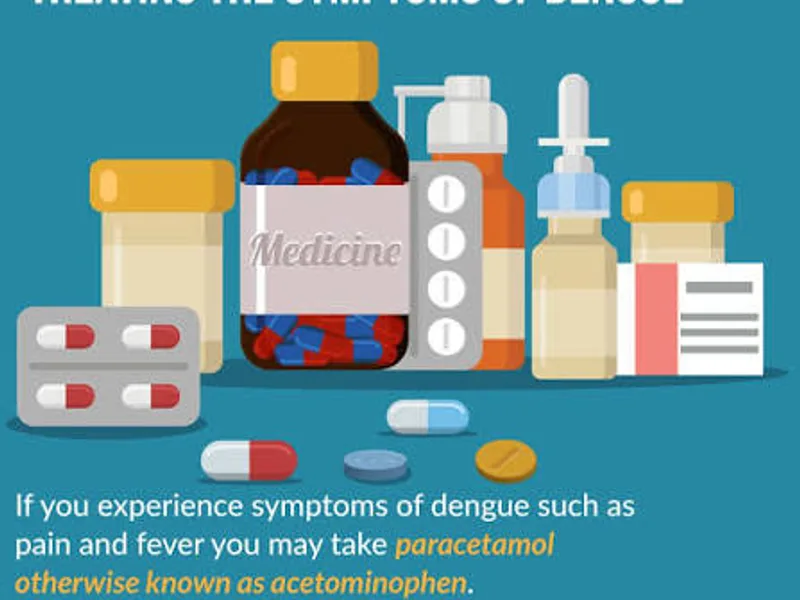
Acetaminophen, known as paracetamol outside the U.S., is the medication of choice for dengue-related fever and body aches. The CDC recommends it specifically for fever control, alongside tepid sponge baths to help bring temperature down.
It works by acting on the part of the brain that regulates body heat, encouraging the body to release heat through sweating and blood vessel dilation. For most adults, it's considered safe when taken at standard doses and for short-term use.
That said, dengue puts real stress on the liver, and acetaminophen is processed by the liver too. Taking more than the recommended daily amount can cause liver damage, so dosing should stay within the limits on the package — or whatever a doctor advises based on age, weight, and liver health. This is exactly the kind of decision to make with a healthcare provider rather than by guesswork, especially for children, pregnant women, or anyone with existing liver conditions.
The Medications to Avoid — and Why
This is the part people most often get wrong, frequently because it contradicts what they'd normally reach for during a fever.
Avoid:
The American Medical Association (AMA) advises against these specifically because of their anticoagulant properties combined with dengue's hemorrhagic potential — in plain terms, they thin the blood at the same time dengue is already lowering the platelets that help blood clot. Combining the two raises the risk of internal bleeding, sometimes seriously.
It's not just the obvious painkillers, either. Many combination cold, flu, and stomach medicines contain hidden NSAIDs or aspirin-like ingredients (salicylates). Reading the active-ingredient list on any over-the-counter product before taking it during a dengue infection is a habit worth building.
Corticosteroids are another category to be cautious with. Medical guidance notes they haven't shown benefit in typical dengue cases and can potentially cause harm, and they're generally reserved for rare, specific complications rather than routine symptom relief.
What Supportive Care Actually Looks Like
Since medication options are limited, most of the recovery work happens outside a pill bottle:
Hydration. Dengue can cause vomiting, reduced appetite, and fluid loss through fever and sweating. The CDC recommends water or drinks with added electrolytes, aiming for steady intake throughout the day rather than large amounts at once.
Rest. The body needs energy to fight the infection; pushing through normal activity levels can slow recovery.
Fever management. Acetaminophen plus tepid sponging, as noted above, rather than cold baths or ice, which can be uncomfortable and aren't more effective.
Mosquito bite prevention while febrile. A person with dengue can pass the virus to mosquitoes that bite them during the fever phase, which can then infect others. Using an EPA-registered insect repellent during this window helps limit local spread.
Most dengue cases resolve with home care in about a week to ten days. But a smaller number of patients develop severe dengue (sometimes called dengue hemorrhagic fever or dengue shock syndrome), which is a medical emergency.
Warning signs typically appear as the initial fever starts to break, which is counterintuitive — many people assume they're improving right when the danger increases. Signs to watch for include:
Severe abdominal pain or tenderness
Persistent vomiting
Bleeding from the gums or nose
Blood in vomit or stool
Extreme fatigue, restlessness, or irritability
Rapid breathing
Cold or clammy skin
If any of these appear, this isn't a situation for home medication — it requires immediate medical evaluation. Severe dengue is managed in a hospital, often with intravenous fluids to correct plasma leakage; the CDC notes this fluid therapy, not a drug, is the mainstay of treatment once severe dengue is recognized. Some patients need intensive care monitoring. Prophylactic platelet transfusions, contrary to what some assume would help, are not generally recommended and can contribute to fluid overload without added benefit.
Is There a Dengue Vaccine?
There is one FDA-approved dengue vaccine, Dengvaxia, but its use is narrow: it's approved only for children and adolescents ages 9–16 who live in dengue-endemic areas (such as Puerto Rico or the U.S. Virgin Islands) and who have laboratory-confirmed evidence of a prior dengue infection. It is not approved for travelers heading to an endemic region, and due to low demand, the manufacturer has been discontinuing the vaccine. It is not a treatment for an active infection — it's a preventive tool for a specific, narrow population.
Practical Takeaway
If you or someone you're caring for has dengue, the medication for dengue you actually reach for should be short and simple: acetaminophen for fever and pain, plenty of fluids, and rest. Skip aspirin, ibuprofen, and other NSAIDs entirely. And keep a mental checklist of severe-dengue warning signs — especially in the day or two after the fever seems to lift — since that's when a phone call to a doctor matters most.
FAQ
Is there a medication that cures dengue?
No. There is no antiviral drug approved to treat dengue directly. Treatment is supportive — fluids, rest, and fever control — while the body's immune system clears the virus, typically over one to two weeks.
Can I take ibuprofen for dengue fever?
No. Ibuprofen and other NSAIDs can increase bleeding risk because dengue already lowers platelet counts. Acetaminophen (paracetamol) is the recommended alternative for fever and pain.
What is the safest medicine for dengue fever?
Acetaminophen (paracetamol) is the medication generally recommended for dengue-related fever and body aches, within standard dosing limits. A doctor should confirm safe dosing for children, pregnant women, or anyone with liver concerns.
How long does dengue fever last?
Most people recover within about one to two weeks with rest, fluids, and fever management. A small percentage of patients develop severe dengue, usually as the initial fever breaks, which requires urgent medical care.
When should I go to the hospital for dengue?
Seek immediate care for severe abdominal pain, persistent vomiting, bleeding from the gums or nose, blood in vomit or stool, rapid breathing, or cold, clammy skin — these can signal severe dengue.