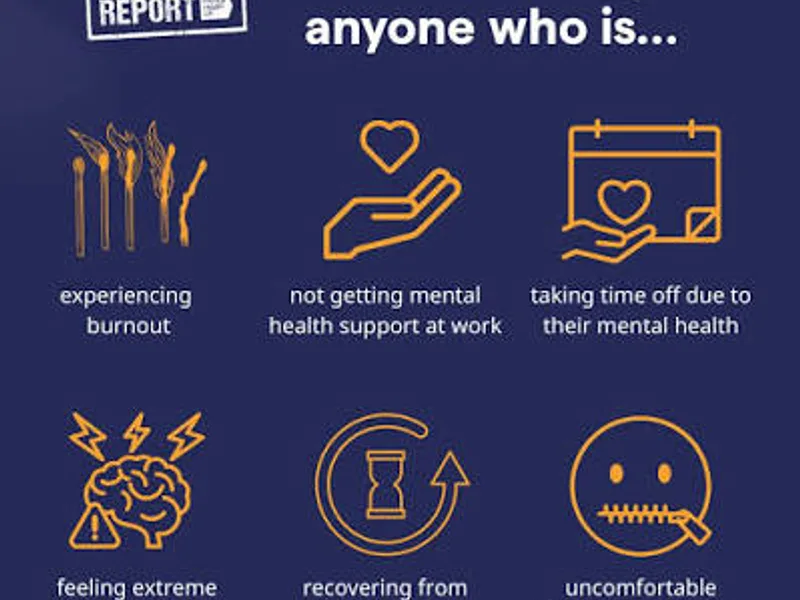
When work stress becomes a health concern
Some workplace pressure is normal. A deadline, an important presentation or a demanding project can make people tense for a short period, especially when there is enough recovery time afterward.
The problem starts when pressure becomes the normal state. The WHO identifies excessive workloads, understaffing, long or inflexible hours, limited control over work, job insecurity, bullying, discrimination, unclear roles and poor support as examples of workplace factors that can threaten mental health.
Workaholism and difficulty switching off
Understanding workplace anxiety
That is why telling an exhausted employee simply to "manage stress better" can miss the point. If the workload, staffing, management style or expectations are the source of the problem, breathing exercises alone will not fix it.
What burnout can feel like
Burnout does not look identical in everyone. Someone may continue meeting deadlines while becoming emotionally detached from colleagues and increasingly resentful of the job. Another person may struggle to concentrate, make routine decisions or find enough energy to complete ordinary tasks.
Persistent exhaustion is one of the clearest warning signs. Other possible signs include growing cynicism about work, feeling ineffective, irritability, difficulty concentrating and losing interest in activities outside the office.
Doctar.in's article on mental exhaustion
Understanding overexertion and exhaustion
In clinical practice, this is often missed because people describe the problem as "just work stress." By the time someone says they dread opening their laptop, cannot recover over weekends or have stopped enjoying life outside work, the problem may deserve a much closer look.
Burnout is not the same as depression
The two can overlap, but they are not interchangeable.
Burnout is specifically linked to the occupational setting. Depression is a mental health condition that can affect many areas of life, including mood, sleep, appetite, concentration, relationships and the ability to carry out everyday responsibilities.
Doctar.in's guide to depression
A person who feels exhausted and cynical about one job may be experiencing burnout. Someone who has persistent low mood or loss of interest across work, family life and activities they previously enjoyed may need an assessment for depression or another health condition.
Depression in teachers and workplace settings
Self-diagnosis is risky here. If symptoms persist, worsen or begin interfering substantially with daily life, speaking with a doctor or mental health professional is a sensible next step.
Sleep is often the first casualty
Work-related stress and poor sleep can feed each other. A person may finish work physically exhausted but lie awake replaying conversations, checking messages or worrying about the next day's workload.
Doctar.in's sleep resources discuss how stress, anxiety and racing thoughts can interfere with sleep. Understanding sleep troubles
Why stress can make you tired but unable to sleep
Sleep, stress and the mind
Persistent sleep problems deserve attention rather than endless attempts to push through them. Sleep changes can occur with several mental and physical health conditions, so a healthcare professional can help determine what is actually driving them.
The workplace has a role too
Mental health cannot be reduced to personal resilience. The WHO recommends organizational approaches that identify and reduce workplace risks rather than placing the entire burden on individual workers.
Doctar.in's workplace mental health resources
That can mean reviewing workloads, improving staffing, clarifying responsibilities, giving employees more control where possible and addressing bullying or harassment. Managers also matter. A supervisor who notices repeated exhaustion or withdrawal does not need to become a therapist, but can create an environment where asking for help is not treated as weakness.
ADHD and workplace accommodations
Managing the mental load
What workers can do when the warning signs appear
Start by taking the symptoms seriously. Writing down when exhaustion, sleep problems, anxiety or loss of motivation occur can help reveal whether the problem is tied to particular shifts, workloads, people or patterns.
Doctar.in's guide to emotional distress
Where possible, discuss workload and priorities with a manager rather than silently absorbing every new task. Boundaries around work messages and recovery time can also help, although boundaries are much harder to maintain when an organization routinely expects people to be available around the clock.
Burnout prevention strategies
Self-care and preventing caregiver burnout
For people who are struggling to cope, therapy can provide a structured place to understand stress, anxiety and emotional patterns. Doctar.in's guide to therapy
Managing anxiety and stress
When professional help should not wait
A change in work performance alone does not tell you what is happening medically. But persistent hopelessness, severe anxiety, major sleep or appetite changes, withdrawal from normal activities or an inability to manage everyday responsibilities should not simply be blamed on a demanding job. Depression can cause fatigue, concentration problems, sleep disturbance and loss of interest, among other symptoms.
Doctar.in's mental health awareness guide
If someone is thinking about suicide or self-harm, this is an emergency rather than a workplace-performance issue. Seek immediate local emergency or crisis support and stay with the person if it is safe to do so.
Doctar.in's broader mental health information hub
A healthier workplace starts before someone breaks down
The best response to burnout is not waiting until an employee collapses. Workplaces can reduce risk by paying attention to workload, staffing, job control, psychological safety and the quality of management. WHO guidance specifically emphasizes preventing psychosocial risks and creating working environments that support mental health.
Brain fatigue and recovery
ADHD-related burnout
Workplace mental health and neurodiversity
Mental wellness resources on Doctar.in