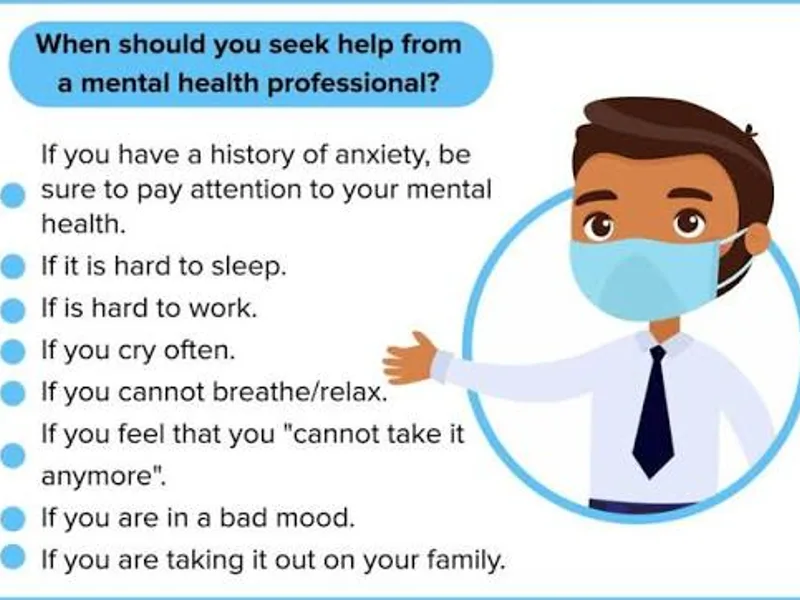
Mental health care is not limited to treating severe mental illness. A qualified mental health specialist may help people dealing with persistent anxiety, depression, trauma, emotional distress, relationship difficulties, behavioural changes, substance-use problems or other concerns that affect daily functioning.
The term mental health specialist can refer to different professionals. A psychiatrist is a medical doctor trained in psychiatry and can assess mental health conditions and prescribe medicines when appropriate. The National Medical Commission recognises postgraduate psychiatry training such as MD Psychiatry and DNB Psychiatry.
A clinical psychologist generally focuses on psychological assessment and psychological therapies. In India, clinical psychologists fall under the Rehabilitation Council of India (RCI) framework, and qualified professionals are registered through the Central Rehabilitation Register.
People often search for a “mental health specialist” when they are unsure where to begin. A useful starting point is a professional assessment rather than trying to decide the diagnosis yourself. Understanding mental health assessments can help explain what an evaluation generally involves.
When Should You Consider Seeing One?
Not every difficult week means someone has a mental health disorder. Stress, grief and temporary emotional ups and downs are part of life. The concern becomes greater when symptoms persist, become difficult to manage or start interfering with work, studies, relationships, sleep or basic daily activities.
Persistent worry, low mood, loss of interest, panic, major changes in sleep or appetite, difficulty concentrating and unexplained emotional or behavioural changes can all be reasons to speak with a professional. The difference between ordinary stress and a mental health condition is often related to persistence, severity and its effect on functioning. Stress versus mental illness offers a useful explanation.
Physical symptoms can also accompany psychological distress. Headaches, tiredness, digestive complaints and muscle tension, for example, can occur alongside prolonged stress, although these symptoms can have many other causes too. Stress and its physical symptoms explores this connection.
In clinical practice, this is often missed because people may first present with a physical complaint rather than saying they are struggling emotionally. That is one reason a proper assessment matters instead of assuming the cause from one symptom.
Psychiatrist, Psychologist or Therapist?
Choosing the right professional does not have to be complicated, but the roles are different.
Psychiatrist
A psychiatrist is a medical doctor specialising in mental health. They can evaluate symptoms, consider physical or medical factors, make psychiatric diagnoses and prescribe medication when clinically appropriate.
Someone experiencing severe mood changes, psychotic symptoms, significant functional decline or complex mental health concerns may need psychiatric evaluation. A psychiatrist can also work alongside a psychologist or therapist.
Clinical Psychologist
A clinical psychologist is trained in psychological assessment and therapy. Depending on their qualifications and scope of practice, they may work with anxiety, depression, trauma, behavioural difficulties and other psychological concerns.
In India, people looking for a clinical psychologist should check relevant professional qualifications and RCI registration. RCI lists clinical psychology among the regulated professional categories.
Therapist or Counsellor
Therapists and counsellors provide talking-based support, although qualifications and professional titles can vary. Therapy may help people understand patterns of thinking, manage emotions, work through difficult experiences and develop coping skills.
If you are unsure where to begin, how to find the right therapist in India covers practical questions about qualifications, approach, cost and compatibility.
What Happens During a Mental Health Assessment?
The first appointment is usually more conversational than people expect. The professional may ask why you sought help, when the symptoms began, how they affect your life, your medical history, family history, sleep, substance use and major life events.
An assessment is not simply an online questionnaire. A professional may use structured questions or psychological assessment tools, but these are interpreted alongside the person's history and current circumstances. Mental health assessment guidance explains why this broader evaluation is important.
A diagnosis should not be based on a social-media checklist or a single online test. Different conditions can share similar symptoms, and some physical illnesses or medicines can also affect mood, sleep and concentration.
What Treatment Might Look Like?
Treatment depends on the person's needs and the professional involved. Psychotherapy, often called talk therapy, is one common approach. Different forms include cognitive behavioural therapy (CBT), which focuses on the relationship between thoughts, feelings and behaviour.
For people interested in CBT, practical CBT techniques provides an introduction.
Other approaches may be considered depending on the person's circumstances. Group therapy involves structured sessions with several participants, while relational therapy focuses strongly on relationships and interpersonal patterns.
For people dealing with trauma, approaches may differ. Somatic therapy and narrative therapy are examples of approaches discussed in mental health care, although suitability should be assessed by a qualified professional.
Psychotherapy may also support people living with disabilities and the emotional challenges that can accompany disability. Psychotherapy and disability support discusses this area in greater detail.
Medication may be part of treatment for some people, particularly when psychiatric assessment indicates that it is appropriate. Medication decisions should always be made by a qualified prescribing clinician rather than based on an online article.
Anxiety, Depression and Stress Need Different Attention
Anxiety is more than occasional nervousness when it becomes persistent, difficult to control or disruptive. Some people also experience fatigue alongside anxiety, partly because ongoing worry can interfere with sleep and recovery. Anxiety and exhaustion explains this relationship.
Others notice physical sensations such as dry mouth or digestive symptoms during periods of anxiety. Anxiety and dry mouth and anxiety and IBS discuss examples of these mind-body connections.
Specific fears can also become clinically significant when avoidance starts restricting everyday life. Phobias and therapy explains how professional therapy may be used for persistent, disabling fears.
Stress deserves attention too. Emotional distress and toxic stress explain why prolonged emotional strain can become difficult to manage without support.
Mental Health Care for Children and Teenagers
Children do not always describe emotional distress as adults do. Irritability, withdrawal, changes in school performance, sleep problems or loss of interest may sometimes signal that a child needs closer attention.
Parents can learn more from anxiety and depression in children, while teenage depression discusses how symptoms can appear during adolescence.
A child's behaviour should not be diagnosed from an internet article. Persistent or concerning changes deserve discussion with a paediatrician or appropriately qualified mental health professional.
Online and Confidential Mental Health Support
For some people, travelling to a clinic is a practical barrier. Teletherapy can provide access to a mental health professional through video or other secure communication methods, depending on the provider and the person's needs.
Teletherapy explains how remote therapy works, while affordable online therapy discusses some of the practical considerations around access and cost.
Privacy also matters. Before starting treatment, patients can ask how records are stored, who can access information and what the limits of confidentiality are. Mental health privacy and confidentiality explains these issues in more detail.
When Should Help Be Urgent?
Some situations should not wait for a routine appointment. If someone is at immediate risk of harming themselves or another person, is severely confused or disconnected from reality, or cannot safely manage basic daily needs, urgent professional assessment is appropriate.
A nearby hospital emergency department may be the right place when there is an immediate safety concern. Online information should never replace emergency medical care.