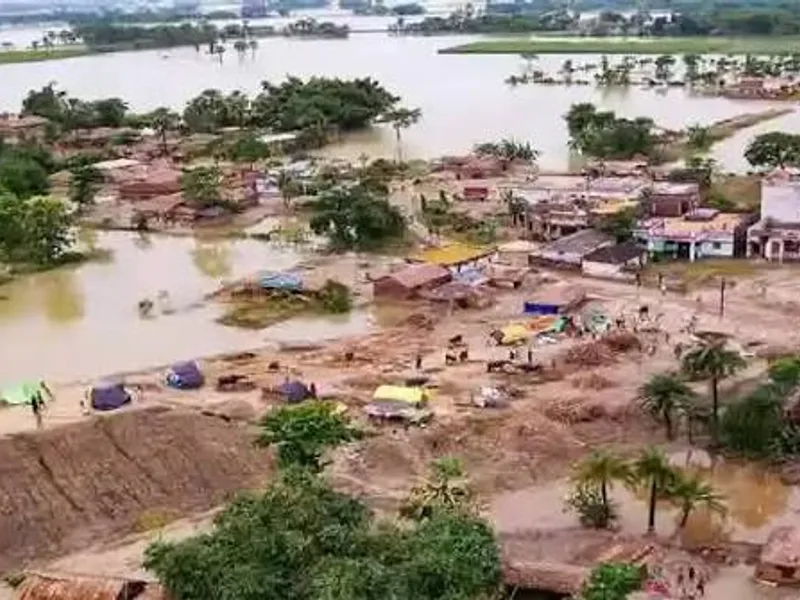
Ask anyone who has lived through a monsoon in rural Nalanda, and they'll tell you the water doesn't just fall from the sky. It backs up from rivers, drains, and low fields until roads disappear under a brown sheet that sometimes sits for a week or more. Gaya's low-lying blocks near the Falgu river see a similar pattern most years.
This isn't new. Bihar's geography, flat, river-fed, and densely populated in the plains, makes it one of the more flood-prone states in India during the monsoon months. What changes year to year is how long the water stays and how many hand pumps and wells get submerged along with it.
That last part matters more than people realise. Once a hand pump goes underwater, everything drawn from it afterward is suspect, whether it looks clean or not.
The Diseases That Actually Show Up After Flooding
Doctors in flood-hit blocks tend to see the same handful of illnesses repeat every season, not some exotic new threat. Diarrhoea and gastroenteritis top the list, usually from contaminated drinking water. Typhoid follows close behind, especially in areas where open defecation meets flooded fields.
Skin infections are common too, and they're often underreported because people don't think of a rash or fungal patch as serious enough to see a doctor. Standing in floodwater for hours, which many farmers and daily wage workers simply have to do, softens the skin and lets infections take hold quickly.
Leptospirosis deserves a specific mention, even though it gets far less attention than diarrhoeal disease. It spreads through water contaminated with animal urine, rats in particular, and can cause fever, muscle pain, and in serious cases, kidney or liver complications. It's not common, but when it does show up in flood-affected Bihar villages, it's often missed early because the initial symptoms look like ordinary fever.
Vector-borne diseases like dengue and malaria also tend to rise a few weeks after the water recedes, once mosquitoes get a chance to breed in the pools left behind.
Why Cases Get Missed or Treated Late
In clinical practice, this is often missed because early flood-related illness looks so much like a routine monsoon fever that families wait it out at home for days before seeking help. By the time someone reaches a primary health centre, a case of typhoid or leptospirosis may already be a few days advanced, which makes treatment longer and recovery slower.
Distance plays a role too. Several blocks in rural Gaya and Nalanda have health sub-centres that themselves get cut off when roads flood, forcing families to travel further than usual at the worst possible time. It's a frustrating irony: the illness peaks exactly when access to care dips.
There's also a quieter problem, plain reluctance. Many daily wage workers can't afford to lose a day's income for what seems like "just a fever," so they push through it. That decision occasionally costs more than the day's wages would have.
What Actually Helps During Flood Season
Boiling or chemically treating drinking water isn't just textbook advice, it genuinely cuts down the diarrhoea and typhoid cases doctors see each year. Where boiling isn't practical, even basic chlorination tablets, distributed during many government flood-relief drives, make a real difference.
Wounds and skin cuts should be kept as dry as possible and covered, since floodwater carries bacteria that turn small scrapes into infected sores faster than people expect. If a cut looks red, swollen, or won't heal within a couple of days, that's a signal to get it checked rather than wait.
Is it realistic to avoid floodwater entirely in a flooded village? Of course not, people still have to move, work, and fetch supplies. But limiting unnecessary time standing in stagnant water, and washing thoroughly with soap afterward, lowers the risk meaningfully even if it doesn't eliminate it.
Families should also watch children closely. Kids playing in floodwater are more exposed to both diarrhoeal illness and skin infections than adults tend to be, partly because they're less careful about washing hands before eating.
When to Stop Waiting and See a Doctor
A fever that lasts more than two to three days, especially with body aches, vomiting, or yellowing of the eyes, needs medical attention rather than home remedies. The same goes for diarrhoea that doesn't improve within a day or two, particularly in young children or elderly family members, where dehydration sets in faster.
If you're in a flood-affected block in Nalanda,"https://doctar.in/general-physician/nalanda/s">general physician in Nalanda or the nearest primary health centre should be the first stop for fever, stomach illness, or skin infections that aren't settling. In Gaya, a "https://doctar.in/general-physician/gaya/s">general physician in Gaya can assess symptoms and refer onward if needed.
Persistent stomach complaints, especially ones that come with blood in stool or severe cramping, are worth a visit to a "https://doctar.in/gastroenterologist/patna/s">gastroenterologist in Patna if local facilities can't resolve it quickly. Skin infections that spread or don't respond to basic care are best seen by a "https://doctar.in/dermatologist/patna/s">dermatologist in Patna rather than left untreated.
Children with fever, vomiting, or diarrhoea during flood season should be seen by a "https://doctar.in/pediatrician/gaya/sin Gaya in Nalanda promptly, since dehydration progresses faster in young kids than most parents expect.
The Role of Local Health Infrastructure
Bihar's flood response has improved over recent years, with more mobile medical camps reaching cut-off villages than a decade ago. Still, coverage is uneven, and some hamlets in Nalanda's low-lying blocks report camps arriving days after water levels peak, not before.