Mounjaro vs Ozempic: An Endocrinologist Explains the Difference
Meena, 45, a homemaker from Jaipur, noticed her blood sugar levels creeping up despite diligent efforts with diet and exercise. Her doctor suggested exploring newer treatments. Like Meena, millions in India grapple with managing type 2 diabetes and its associated excess pounds. The reality is, finding the right therapy can feel overwhelming with the array of options available.
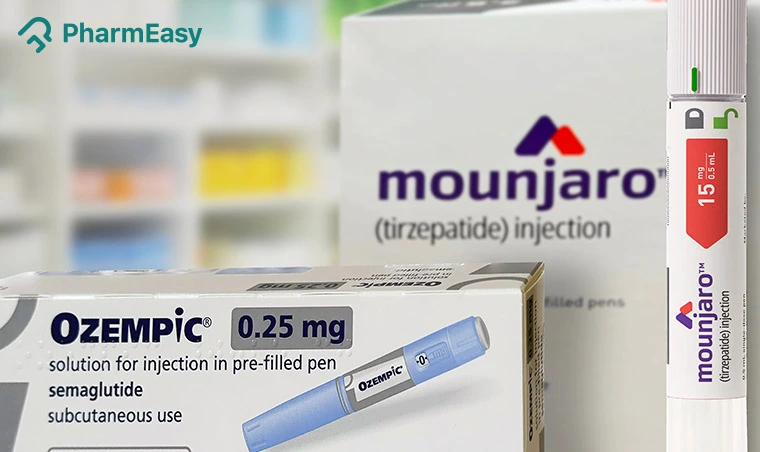
Two agents frequently discussed are Mounjaro (tirzepatide) and Ozempic (semaglutide). But why does this happen? What are the crucial distinctions between these powerful drugs? As an endocrinologist practicing in India, I’ve seen firsthand the transformative potential of both, but understanding their unique mechanisms and applications is key.
The landscape of diabetes and body mass management is rapidly evolving. For years, traditional treatments focused on improving insulin sensitivity or stimulating insulin production. However, newer classes of medications, particularly incretin mimetics, have revolutionized care.
Ozempic, with its active ingredient semaglutide, belongs to the GLP-1 receptor agonist class. Mounjaro, on the other hand, features tirzepatide, a dual GIP and GLP-1 receptor agonist. This fundamental difference in action is where the most significant distinctions lie.
That alone changes everything.
Understanding the Mechanisms of Action
Let's break down what these fancy terms mean. GLP-1 (Glucagon-Like Peptide-1) is a hormone naturally produced in our gut. It plays a vital role in regulating blood sugar by several mechanisms.
It stimulates insulin secretion from the pancreas, reduces glucagon secretion (a hormone that raises blood sugar), slows gastric emptying (making you feel fuller for longer), and can even promote satiety signals in the brain. Ozempic mimics the action of GLP-1.
What most people miss is the significance of the 'dual' action of Mounjaro. Tirzepatide doesn't just mimic GLP-1; it also activates the GIP (Glucose-dependent Insulinotropic Polypeptide) receptor. GIP is another incretin hormone, and when co-secreted with GLP-1, it has synergistic effects on glucose control.
By targeting both pathways, tirzepatide offers a potentially more potent effect on lowering blood sugar and promoting body mass reduction compared to GLP-1 agonists alone. Think of it as a two-pronged attack versus a single, albeit effective, strategy.
The implications of this dual action are substantial. Studies, including those published in leading journals like The Lancet, have shown that tirzepatide can lead to greater reductions in HbA1c levels (a measure of long-term blood sugar control) and more considerable body mass reduction compared to semaglutide in individuals with type 2 diabetes. For instance, the SURMOUNT-1 trial demonstrated that tirzepatide resulted in up to a 22.5% reduction in body mass at the highest dose, a figure that truly stands out in the field of body mass management therapies.
Efficacy in Blood Sugar Control
For managing type 2 diabetes, the primary goal is achieving and maintaining target blood glucose levels. Both Ozempic and Mounjaro excel in this regard, but Mounjaro often demonstrates superior efficacy.
Here's where it gets interesting.
Over 101 million Indians have diabetes (ICMR, 2023), highlighting the immense public health challenge. For many, achieving an HbA1c below 7% can be a considerable hurdle.
Clinical trials have consistently shown that tirzepatide (Mounjaro) leads to greater reductions in HbA1c compared to semaglutide (Ozempic). In the SURPASS trials, which compared tirzepatide against other diabetes treatments, including semaglutide, individuals treated with tirzepatide achieved lower average HbA1c levels. This enhanced glycemic control is attributed to the combined GIP and GLP-1 receptor agonism.
What should you actually do if your current treatment isn't hitting the target? Discussing these advanced options with your doctor is crucial.
The speed at which these agents work is also noteworthy. Many individuals report seeing improvements in their blood sugar readings within weeks of starting therapy.
This rapid response can be incredibly encouraging for those struggling with hyperglycemia, especially during festive seasons when dietary indiscretions, like indulging in rich sweets during Diwali, can significantly impact glucose levels.
Weight Loss: A marked Benefit
Beyond blood sugar control, both Ozempic and Mounjaro are associated with major body mass reduction. This is a welcome side effect for many individuals with type 2 diabetes, as obesity is a major contributing factor to insulin resistance. Honestly, the impact on body mass can be life-changing.
However, Mounjaro has shown a more pronounced effect on body mass reduction in head-to-head comparisons and dose-ranging studies. The dual mechanism appears to be more reliable at promoting satiety and reducing appetite. Individuals often report feeling full sooner and experiencing less intense cravings, which aids considerably in adhering to a calorie-controlled diet.
The numbers don't lie.
The IDF (International Diabetes Federation) estimates that globally, over 537 million adults were living with diabetes in 2021, with a notable portion being overweight or obese. Therapies that tackle both issues simultaneously are invaluable.
While Ozempic is highly impactful for body mass reduction, Mounjaro has, in several studies, resulted in a greater percentage of body mass reduction. This difference might influence the choice of therapy for individuals whose primary concern, alongside diabetes, is marked obesity.
For example, if an individual needs to lose a substantial amount of body mass—say, over 15-20% of their body mass—Mounjaro might be considered the more potent option.
Side Effect Profiles
No therapy is without potential side effects, and it's essential to be aware of them. The most common side effects for both Ozempic and Mounjaro are gastrointestinal in nature. These can include nausea, vomiting, diarrhea, constipation, and abdominal pain.
These side effects are often dose-dependent and tend to be more pronounced when starting the therapy or increasing the dose. They usually improve over time as the body adjusts.
Less typical but more serious potential side effects include pancreatitis (inflammation of the pancreas) and gallbladder problems. There is also a boxed warning regarding the risk of thyroid C-cell tumors observed in animal studies, though the relevance to humans is not fully established.
This is where most patients struggle.
It is crucial to discuss your personal medical history, especially any family history of thyroid cancer (like medullary thyroid carcinoma) or pancreatitis, with your doctor before starting either therapy.
The incidence and severity of side effects can vary between individuals. Some individuals tolerate one therapy better than the other.
Here's the thing — careful titration (gradual dose increase) and supportive care, like staying hydrated and eating smaller, more frequent meals, can help manage these initial side effects effectively. My individuals often find that sitting comfortably on the floor after meals, a typical practice in many Indian households, aids digestion and reduces discomfort.
Administration and Cost in India
Both Ozempic and Mounjaro are administered via subcutaneous injection, typically once weekly. The injection devices are designed for ease of use, often resembling an insulin pen.
Individuals are usually trained on self-administration by their healthcare provider. This weekly regimen offers convenience and improves adherence compared to daily treatments.
The cost of these newer therapies can be a meaningful consideration, especially in India where affordability is paramount for a large segment of the population. Both Ozempic and Mounjaro are relatively expensive. While specific pricing can vary based on the pharmacy, dosage, and any ongoing discounts or insurance coverage (if applicable), they represent a considerable investment.
Individuals often inquire about accessibility. It's advisable to discuss the cost implications thoroughly with your physician and explore potential individual assistance programs offered by the manufacturers, if available.
This is where most those affected struggle.
The availability of these drugs might also differ slightly across various regions within India. While major metropolitan centers like Delhi, Mumbai, and Bengaluru will have better stock, smaller towns might face occasional supply chain challenges. Planning your refills in advance is a good strategy.
Who is a Candidate for Mounjaro or Ozempic?
The decision to prescribe Mounjaro or Ozempic is highly individualized. Generally, these therapies are considered for adults with type 2 diabetes who have not achieved adequate glycemic control with other treatments, or for those who could benefit from considerable body mass reduction.
The American Diabetes Association (ADA) guidelines also acknowledge the role of GLP-1 receptor agonists in cardiovascular possibility reduction for certain individuals.
Key factors influencing the choice include:
- Level of Glycemic Control Needed: If very aggressive blood sugar lowering is required, Mounjaro might be favoured.
- Body Mass Reduction Goals: For individuals seeking substantial body mass reduction, Mounjaro's demonstrated efficacy could make it the preferred choice.
- Individual Response and Tolerance: Some individuals may respond better or tolerate one drug over the other.
- Cost and Accessibility: These practical factors play a crucial role in the long-term management plan.
- Presence of Comorbidities: Cardiovascular health and kidney function are always considered.
It is imperative to have a thorough discussion with your endocrinologist. They will assess your complete health profile—including your medical history, current treatments, lifestyle, and personal health goals—before recommending a course of therapy.
Remember, AIIMS (All India Institute of Medical Sciences) and other leading institutions emphasize personalized medicine approaches.
The Verdict: Mounjaro vs. Ozempic
Both Mounjaro and Ozempic are game-changers in the management of type 2 diabetes and body mass reduction. Ozempic (semaglutide) is a well-established GLP-1 agonist offering notable benefits in blood sugar control and body mass reduction.
That's the part worth remembering.
Mounjaro (tirzepatide), as a dual GIP/GLP-1 receptor agonist, often demonstrates superior efficacy in both glycemic control and body mass reduction based on current clinical evidence. Its introduction represents a major advancement, potentially offering greater benefits for many individuals.
However, the 'better' drug depends entirely on the individual’s needs, goals, and tolerance. The choice is not always straightforward and requires careful medical evaluation.
What most people miss is that the best therapy is the one that works effectively and safely for *you*, under the guidance of a healthcare professional. The journey towards better health is a partnership.
Key Takeaways
- Mounjaro (tirzepatide) is a dual GIP/GLP-1 receptor agonist, while Ozempic (semaglutide) is a GLP-1 receptor agonist.
- Mounjaro has shown superior efficacy in reducing HbA1c levels and promoting body mass reduction in clinical trials compared to Ozempic.
- Both therapies are administered via weekly subcutaneous injection and share similar gastrointestinal side effect profiles.
- The choice between Mounjaro and Ozempic depends on individual factors, including care goals, tolerance, and cost.
- Over 101 million Indians have diabetes (ICMR, 2023), making impactful management options like these crucial.
Always consult a qualified physician before making any medical decisions.