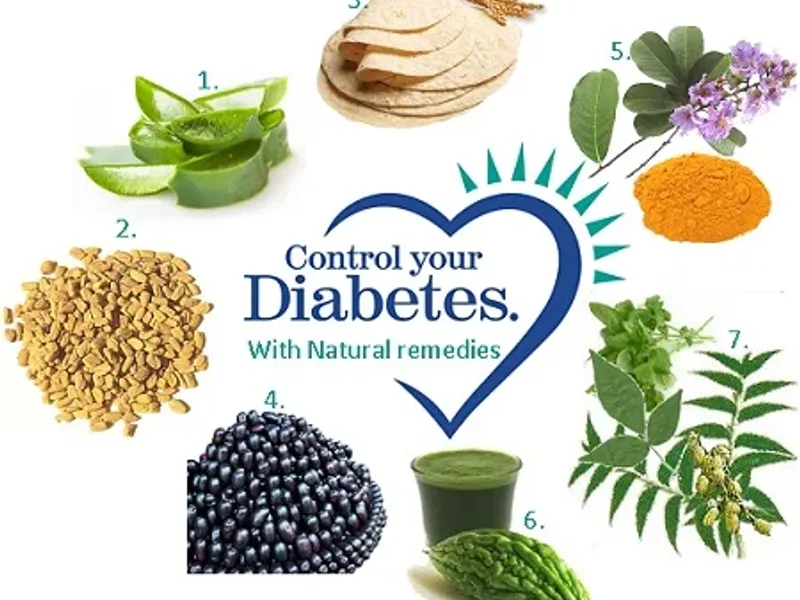
No. There is no natural cure for diabetes, and no supplement, herb, or diet has been shown to eliminate the condition. What natural, lifestyle-based approaches can do is help manage blood sugar, sometimes significantly, working alongside medical treatment rather than replacing it. Anyone encountering a "natural cure" claim online should treat it with real skepticism.
[REVIEWER: add clinical insight here — e.g., how you respond when a patient brings in a specific supplement or "cure" product they've seen advertised]
Why "Natural Cure" Claims Don't Hold Up
It helps to separate the marketing language from the medical reality. Diabetes, whether type 1 or type 2, involves a lasting change in how the body produces or responds to insulin — that underlying biology doesn't reverse itself because of a specific food, herb, or supplement. Even for type 2 diabetes, where significant improvement is genuinely possible through weight loss and lifestyle change, the medical community deliberately avoids the word "cure," instead using the more precise and honest term "remission" — a state that requires ongoing monitoring because relapse remains possible.
What Actually Has Strong Evidence Behind It
The natural approaches with real evidence aren't exotic — they're the same lifestyle fundamentals covered across mainstream diabetes guidance: consistent healthy eating, regular physical activity, weight management where relevant, and good sleep habits. These aren't marketed as aggressively as supplements because they don't come in a bottle, but they remain the most well-supported natural strategies for improving blood sugar control, and in some cases, for helping type 2 diabetes progress toward remission.
What About Supplements Marketed as Natural Cures?
This is where most "natural cure" claims live, and it's worth going through the most commonly marketed ones honestly. According to the National Institutes of Health's National Center for Complementary and Integrative Health (NCCIH), <cite index="135-1">some studies suggest that chromium, cinnamon, or berberine might help with blood sugar control, and that alpha-lipoic acid might help reduce pain associated with diabetic neuropathy. But most of these studies have limitations in size and differ from each other in participant characteristics, supplement formulations, dosing, and study length — leading to no clear conclusions. For most supplements, there isn't evidence to support a beneficial effect on diabetes or its complications.</cite>
Breaking these down individually:
Cinnamon. <cite index="136-1">Clinical trial data on cinnamon for diabetes has shown conflicting results,</cite> according to NCCIH — some studies show a modest effect, others show none.
Chromium. <cite index="136-1">Chromium may offer some benefit for glycemic control, but research results are conflicting, and there's no clear evidence that it plays any role in preventing diabetes from developing in the first place.</cite>
Alpha-lipoic acid. This one has slightly more nuance. <cite index="135-1">A 2019 review of 10 studies involving 553 participants found that alpha-lipoic acid was no better than placebo at reducing blood sugar, cholesterol, or triglycerides.</cite> <cite index="136-1">However, it may be able to improve symptoms specifically related to diabetic nephropathy (kidney damage from diabetes), though there isn't enough evidence to draw conclusions about its effect on other diabetes symptoms.</cite>
Magnesium. <cite index="142-1">Magnesium deficiency has been linked to increased risk of developing type 2 diabetes, suggesting supplementation could help, but clinical trial results haven't shown a clear benefit.</cite>
[REVIEWER: add clinical insight here — e.g., specific supplement questions patients bring up most often, or how you frame the conversation around trying a supplement without abandoning prescribed treatment]
The Safety Question Nobody's Marketing Mentions
Beyond whether these supplements work, there's a safety dimension that "natural cure" marketing tends to skip entirely. Natural doesn't mean risk-free — some supplements can interact with diabetes medications, including insulin and oral medications, and affect blood sugar unpredictably, sometimes increasing the risk of dangerously low blood sugar when combined with prescribed treatment. Supplements are also far less regulated than prescription medications, meaning dosing consistency and purity can vary considerably between products and brands.
Anyone considering a supplement should talk to their doctor first, especially if they're already being treated for diabetes. This isn't about dismissing natural approaches broadly — it's about making an informed decision rather than an uninformed one.
What a Legitimate Natural Approach Actually Looks Like
A realistic, evidence-grounded version of "going natural" with diabetes doesn't center on a specific ingredient — it centers on consistent daily habits: balanced meals built around whole foods and vegetables, regular physical activity, adequate sleep, and stress management. These same strategies are backed by structured, evidence-based programs, including the CDC-led National Diabetes Prevention Program, which has shown that consistent lifestyle changes can meaningfully lower diabetes risk and improve blood sugar control — without needing a specific supplement to make it work.
Practical Takeaway
There's no natural cure for diabetes, and treating any product marketed that way with skepticism is the right instinct. What genuinely helps — consistent healthy eating, physical activity, sleep, and stress management — isn't glamorous, but it's the closest thing to a natural strategy with real evidence behind it. Popular supplements like cinnamon, chromium, and alpha-lipoic acid have weak, inconsistent evidence at best, and should never replace prescribed medication or medical monitoring. Anyone interested in adding a natural approach to their care should bring it up with their doctor rather than trying it on their own.
Frequently Asked Questions
Can diabetes be cured naturally? No. There's no natural cure for diabetes, and no supplement or diet has been shown to eliminate the condition. Some people with type 2 diabetes can achieve remission through significant lifestyle changes, but this requires ongoing monitoring and isn't the same as a permanent cure.
Does cinnamon actually lower blood sugar? The evidence is mixed. According to NIH's National Center for Complementary and Integrative Health, clinical trials on cinnamon for diabetes have shown conflicting results, meaning it can't be relied on as an effective treatment on its own.
Are diabetes supplements safe to take with prescribed medication? Not automatically. Some supplements can interact with diabetes medications, including insulin, and affect blood sugar unpredictably. Anyone considering a supplement should talk to their doctor first, especially if already on prescribed treatment.
What natural approach actually has the strongest evidence for diabetes? Consistent healthy eating, regular physical activity, adequate sleep, and stress management have the strongest evidence behind them — far more than any individual supplement. These same strategies form the basis of established programs like the CDC's National Diabetes Prevention Program.
Should I stop my diabetes medication if I try a natural remedy? No. Prescribed medication and insulin should never be stopped or replaced based on a natural remedy without a doctor's guidance. Doing so can lead to dangerously high blood sugar and serious complications.