Neuroplasticity Retreat Studies: What the Research Shows
Meditation retreats have become a wellness industry unto themselves, and a lot of them lean hard on neuroscience language in their marketing. "Rewire your brain in a week." "Reset your nervous system." It's compelling copy. The actual research behind it is more careful, and more interesting, than the slogans suggest.
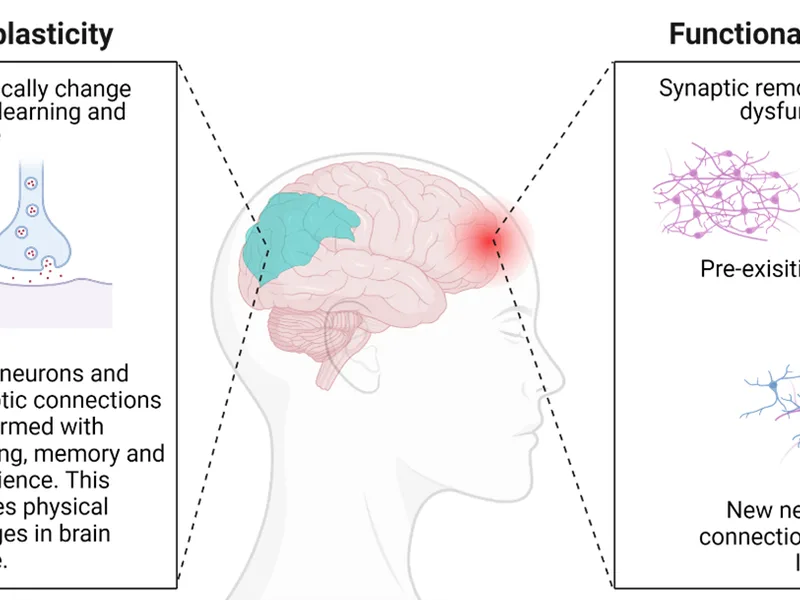
Neuroplasticity, the brain's ability to reorganize itself through repeated experience, is well established science. What's less settled is how much structural change a short, intensive retreat can actually produce, and how long any of it lasts once someone goes back to ordinary life.
What Retreat Studies Have Actually Measured
A handful of research groups have tracked people before and after meditation retreats using brain scans, blood tests, and psychological questionnaires. One well known project, run out of the University of California, followed participants through a three-month intensive retreat and found changes in attention-related brain activity and in an enzyme linked to cellular aging called telomerase. That's a real finding, but it's worth noting the retreat lasted three months, involved highly experienced meditators, and had a small sample size, all things that limit how far the results generalize.
Shorter retreat studies, in the range of a week to ten days, tend to show more modest results: measurable drops in self-reported stress and anxiety, along with some changes in brain activity tied to emotional regulation. Structural brain changes, the kind involving actual gray matter density, show up far more reliably in studies involving months or years of practice, not days.
Why Sample Size and Self-Selection Matter Here
Here's something that doesn't get mentioned enough in retreat marketing: the people who sign up for intensive meditation retreats are not a random slice of the population. They tend to already be motivated, often already meditate to some degree, and are self-selecting into an experience they expect to help them. That makes it genuinely hard to separate the effect of the retreat itself from the effect of who chooses to attend one in the first place.
Sample sizes in this research area are also usually small, sometimes a few dozen participants, which is a real limitation for a topic getting this much public attention. I'd treat any single retreat study, no matter how compelling the headline, as one data point rather than settled science. Replication across bigger and more diverse groups is still catching up to the interest in this field.
The Nervous System Piece, Explained Simply
Some of what a retreat does isn't really about rewiring the brain's wiring diagram at all. It's about shifting activity in the body's fight, flight, or freeze stress response, the automatic system that reacts to perceived threats. Days away from work emails, deadlines, and normal stressors can lower that reactivity noticeably, and that's a genuinely valuable, measurable outcome. It's just a different claim than "the retreat rewired your brain."
In clinical practice, this distinction gets lost constantly. Someone comes back from a retreat feeling calmer, assumes their brain has been permanently changed, and then feels defeated when old stress patterns creep back within a few weeks of returning to normal life. That's not a personal failure. It's what the research would actually predict, since most retreat-driven changes without ongoing practice tend to fade over time, similar to how habit-based brain changes require repetition to stick.
What Might Actually Last
The research that does look more durable tends to come from people who keep practicing after the retreat ends, not from the retreat as a standalone event. That lines up with what's known about memory and cognition more broadly, where consistent practice shapes how the brain stores and retrieves information over time, not a single intensive burst.
A retreat can be a genuinely useful reset point and a strong motivator to build a regular practice. It's a stretch to call it a neurological cure. Anyone dealing with a diagnosed anxiety condition or something like chronic anxiety tics shouldn't treat a retreat as a replacement for ongoing clinical care, even if it's a helpful complement to it.
Practical Considerations Before Booking One
Retreats vary enormously in quality, cost, and intensity, and not all of them are led by people with relevant training in mental health. If you have a trauma history or a diagnosed psychiatric condition, it's worth talking to a therapist before committing to a silent or highly intensive retreat, since prolonged introspection can occasionally surface distressing material for some participants. That's not a reason to avoid retreats altogether, just a reason to go in informed rather than assuming it's universally low-risk.