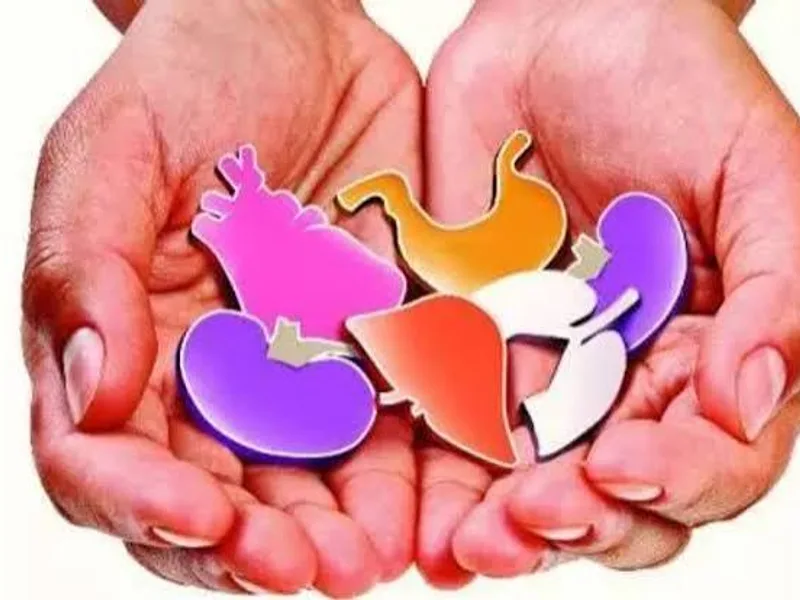
Organ donation is not only an awareness issue. A family may agree to donation, but unless the hospital can identify a potential donor, confirm brain-stem death, arrange retrieval and coordinate transport quickly, the opportunity can be lost.
India's national transplant system is built around NOTTO, along with Regional and State Organ and Tissue Transplant Organisations. NOTTO describes these organisations as part of a national network for organ procurement, allocation and transplantation.
Kerala's approach is particularly relevant because K-SOTTO functions as a state-level coordinating organisation. Its responsibilities include identifying potential donors, facilitating retrieval from deceased donors, equitable allocation of organs and developing standard operating procedures with transplant and retrieval centres.
For readers who want to understand the wider healthcare system, DOCTAR's health blogs can also be used to explore related medical and public-health topics.
What makes Kerala's system different?
The strength of the Kerala approach is coordination rather than a single campaign. K-SOTTO works with transplant centres and Non-Transplant Organ Retrieval Centres, including facilities in both public and private sectors.
That matters because deceased donation is time-sensitive. Once a potential donor is identified, several teams have to work together: intensive-care doctors, the brain-stem death certification team, transplant coordinators, retrieval surgeons, laboratory staff, transport teams and the receiving transplant centre.
K-SOTTO also publishes standard operating procedures and deceased-donation data, making the system more structured and measurable.
A patient or family looking for specialist care can use DOCTAR's doctor directory to find relevant specialists, although transplant eligibility and treatment decisions must always be made by the authorised transplant team.
Where Jharkhand stands today
Jharkhand is not starting from zero. The state has a State Organ and Tissue Transplant Organisation, and awareness work is already taking place.
In May 2026, the MOHAN Foundation conducted an organ-donation awareness programme at Sawarnrekha College of Nursing in Ranchi, with officials from SOTTO Jharkhand participating. The session covered brain death, cardiac death, donor registration and the role of NOTTO.
Jharkhand also has institutional experience with organ donation. Rajendra Institute of Medical Sciences, Ranchi, provides public information on organ donation, including the importance of discussing a donor's wishes with family members.
For people looking for healthcare facilities in the state, hospitals in Ranchi and individual facilities such as Amrit Hospital and Research Centre and Amrapali City Hospital are listed on DOCTAR. Hospital listing, however, should not be confused with authorisation for organ retrieval or transplantation.
What Jharkhand could adapt from Kerala
1. Identify potential donors early
The biggest practical opportunity may be inside intensive-care units. Hospitals need clear protocols for recognising patients who may become potential deceased donors and informing the appropriate transplant coordination team.
In clinical practice, this is often missed because the immediate focus is understandably on saving the critically ill patient. Organ donation should never interfere with appropriate treatment, but when death is declared under the legal framework, a separate donation pathway can begin.
2. Strengthen hospital transplant coordinators
A trained transplant coordinator can act as the bridge between the ICU, family, medical team, retrieval organisation and transplant network.
K-SOTTO's structure shows why this coordination role matters. Kerala's official guidance also states that patients seeking a deceased-donor organ register through a transplant hospital and its transplant coordinator rather than directly through the K-SOTTO website.
Jharkhand could focus on ensuring that major government and private hospitals have clearly designated personnel for this work.
For kidney-related care, patients can also explore nephrologists in Kolkata or urologist services on DOCTAR, particularly when specialist referral is required.
3. Build a reliable retrieval network
A donor pledge is only the beginning. Hospitals need trained teams, operating-room access, preservation facilities, transport arrangements and clear communication with authorised transplant centres.
This is one reason Kerala's emphasis on transplant centres and Non-Transplant Organ Retrieval Centres is worth studying.
Jharkhand could develop stronger links between district hospitals, major government medical colleges and authorised transplant centres rather than concentrating the entire process in one institution.
4. Make family counselling part of the system
Many families have never heard a doctor explain brain-stem death before facing it themselves. Clear communication can reduce confusion.
NOTTO explains that brain-stem death is different from coma and that organ retrieval occurs only after the legally required certification.
Families should also understand that organ donation is regulated by law and that commercial buying or selling of human organs is prohibited.
Related specialist searches, such as neurologists on DOCTAR, can help readers understand which medical specialists may be involved in neurological assessment, although brain-stem death certification must follow the applicable legal and hospital protocol.
What about donor registration?
People can express their wish to donate organs and tissues after death through the national system. NOTTO currently operates a pledge portal and provides a 24-hour toll-free helpline for information.
But a donor pledge should not remain a private decision. Tell your family.
This small step may be more useful than carrying a donor card that nobody knows about. At the time of death, the family and treating medical team need to know what the person wanted.
Why technology and data matter
A Kerala-style system also needs accurate data. K-SOTTO maintains deceased-donation and transplantation information and publishes resources and standard operating procedures.
Jharkhand could similarly track indicators such as potential donors identified, families counselled, consent obtained, organs retrieved, organs transplanted and reasons for missed donations. The purpose would not be to rank hospitals publicly, but to identify where the system is losing potential donors.
Healthcare access around these services can also be explored through DOCTAR's specialist directory, diagnostic-centre search, and diagnostic centres near you.
The Kerala model should be adapted, not copied
Kerala's experience offers Jharkhand a useful lesson, but there is no reason to copy the system word for word. Jharkhand has a different geography, hospital distribution, population pattern and healthcare infrastructure.
A practical Jharkhand model could combine state-level coordination with stronger ICU-based donor identification, trained transplant coordinators, district referral pathways, family counselling, retrieval logistics and transparent reporting.
The goal should be simple: when a medically suitable donor is identified and a family agrees, the system should be ready to act.
Readers seeking broader hospital and specialist information can also visit DOCTAR's healthcare platform, Ranchi hospital listings, surgery listings, cardiologist listings, and general surgeon listings.
For related reading, see DOCTAR's Ruby General Hospital critical-care article, Manipal Hospitals Kolkata guide, and kidney-related healthcare news.