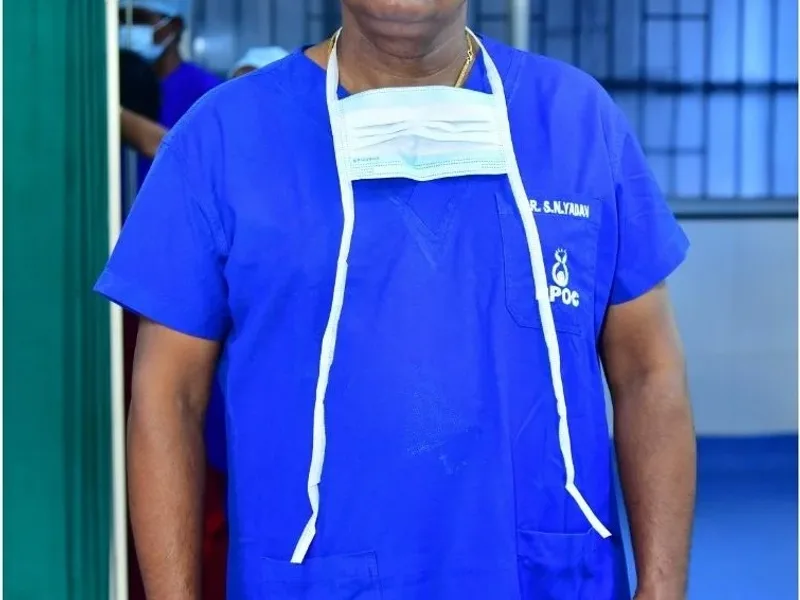
Somewhere between "let's try physiotherapy" and "we need to operate," a lot of patients feel completely lost. That's usually the point where the search changes from a general orthopedic doctor to specifically an orthopedic surgeon in Ranchi, because someone has finally said the word surgery out loud.
It's worth pausing here before panicking. Every orthopedic surgeon is trained to perform operations, but plenty of the patients they see never actually need one. Knowing the difference between when surgery is genuinely necessary and when it's one option among several changes how you approach this search entirely.
Orthopedic Doctor vs Orthopedic Surgeon: Is There Even a Difference?
Technically, most orthopedic doctors in India are also trained surgeons — the qualification (MS or DNB in Orthopedics after MBBS) includes surgical training by default. So the terms overlap more than people realize.
The practical difference shows up in how a doctor practices, not their degree. Some orthopedists lean heavily toward surgical solutions and operate frequently. Others focus more on non-surgical management, physiotherapy referrals, and injections, saving surgery for cases where nothing else works. Neither approach is automatically better. What matters is whether their approach fits your specific condition.
Conditions That Usually Do Need Surgery
Certain situations leave little room for a wait-and-watch approach. Fractures that are badly displaced or won't heal properly on their own, torn ligaments in young or active patients (an ACL tear in a footballer, for instance), severe joint damage from advanced arthritis, and spinal conditions causing nerve compression are common examples where surgery tends to be the recommended path.
Even then, "recommended" doesn't mean immediate. In clinical practice, a good surgeon usually explains the alternative first, even when they believe surgery is the better option, simply so the patient understands what's being ruled out and why.
Conditions That Often Don't Need Surgery, Even If They Feel Serious
Chronic knee pain from early-to-moderate arthritis, most cases of frozen shoulder, mild disc bulges without nerve symptoms, and tendon inflammation usually respond to physiotherapy, medication, and lifestyle changes first. Surgery remains an option later if these don't work, not the default first step.
If a surgeon suggests an operation on your very first visit, before trying anything else, and the situation isn't an emergency like a fracture, it's completely reasonable to ask why conservative treatment isn't being considered. A confident, specific answer is fine. Silence or irritation at the question is not a good sign.
What to Actually Check Before Choosing a Surgeon
Beyond the basic MBBS plus MS/DNB Orthopedics qualification, look for fellowship training relevant to your specific procedure, joint replacement, arthroscopy, or spine surgery, since general orthopedic training doesn't automatically mean deep expertise in every surgical area.
Ask directly how many procedures of your specific type the surgeon has performed, and how recently. A surgeon who did fifty knee replacements a decade ago and has since focused elsewhere isn't the same as one doing them regularly now. Hospital affiliation matters too, check whether the surgeon operates at a facility with proper post-operative care and an ICU on standby for bigger procedures. Listings like Doctar's orthopedist directory usually show experience and consultation details upfront.
Questions Worth Asking Before Agreeing to Surgery
A short list goes a long way here. Ask what happens if you choose not to have the surgery right now, what the realistic recovery timeline looks like, what the complication rate is for this specific procedure at their hands or their hospital, and whether anesthesia will be local, regional, or general.
Don't skip asking about cost either, surgical procedures often carry charges beyond the headline number, including implants, hospital stay, and physiotherapy afterward. A surgeon who answers these clearly, without rushing you, is generally a good sign of how the rest of your care will go.
Recognizing a Genuine Emergency
Some situations don't leave time for second opinions. Compound fractures (where bone breaks through skin), sudden loss of movement or sensation, and injuries following major trauma like a road accident need immediate attention through emergency services rather than a scheduled consultation.
For anything less urgent but still concerning, a general physician consult can help you figure out whether you need a surgeon right away or can book a routine appointment.
After the Decision: Recovery Matters as Much as the Operation
Surgery is often just the halfway point. Post-operative physiotherapy determines a lot of the actual outcome, especially for joint replacements and ligament repairs. Ask your surgeon whether they work with a physiotherapist you can access easily, and how soon rehabilitation is expected to start.
For patients who struggle with mobility after discharge, some platforms also offer home visit doctors or nursing support for the initial recovery period at home.