Osteoporosis often stays quiet until a bone breaks
Bones are living tissue, not permanent scaffolding. They are continuously broken down and rebuilt, and problems arise when bone loss begins to outpace new bone formation.
That process can gradually reduce bone density and weaken the internal structure of bone. Osteoporosis is often called a “silent” condition because many people have no obvious symptoms until they suffer a fracture.
A broken hip, wrist or vertebra can change a person's independence quickly. That is why bone health deserves attention before a fall becomes the event that brings it into focus.
DOCTAR's guide to preventing osteoporosis covers the role of diet, exercise and lifestyle in protecting bone strength. Its osteoporosis bone-density guide also explains why significant bone loss needs more than lifestyle changes alone.
What does bone density actually mean?
Bone density refers to the amount of mineral contained in a given volume of bone. A lower measurement generally indicates less mineralized bone, but density is only one part of bone strength. Bone quality, age, previous fractures and other clinical factors also influence fracture risk.
A person can have low bone density without knowing it. There may be no aching or weakness to warn them.
This is where a DEXA or DXA scan comes in. It uses low-dose X-rays to measure bone mineral density, commonly at the hip and spine.
DOCTAR's T-score and Z-score explanation explains how these measurements are reported and why the numbers should be interpreted in context rather than viewed as a simple pass-or-fail result.
Who is more likely to develop osteoporosis?
Age is a major factor, but osteoporosis is not simply an “old person's disease.” Women can lose bone more quickly around menopause as estrogen levels fall, while older men can also develop significant bone loss.
Family history matters too. Someone whose parent had a hip fracture may have a higher risk. Previous fractures, low body weight, limited physical activity and certain medical conditions can also change the picture.
Some medicines can contribute to bone loss, particularly when used over a long period. Corticosteroids are one well-known example, although the overall risk depends on the medicine, duration and individual circumstances.
Other factors include smoking, heavy alcohol use and inadequate intake of nutrients important for bone health. DOCTAR's osteoporosis risk and prevention guide discusses these factors in greater detail.
Menopause deserves special attention
Bone loss can accelerate during the menopausal transition. The decline in estrogen affects the normal balance between cells that remove old bone and cells that build new bone.
That does not mean every woman entering menopause needs a DEXA scan or osteoporosis medication. Risk assessment matters, and screening decisions should be based on age, medical history and individual risk.
DOCTAR's guide to menopause and bone density explains the relationship between hormonal changes, vitamin D and bone health. Its exercise guide for strengthening bones after menopause discusses resistance and weight-bearing activity.
Women experiencing early menopause or premature ovarian insufficiency may need particular attention to long-term bone health. DOCTAR's guide to menopause and amenorrhea explains why earlier hormonal changes can matter.
When is a DEXA scan useful?
A DEXA scan is not a test that everyone needs at the same age. Doctors consider factors such as age, sex, menopausal status, fracture history and other risks when deciding whether testing is appropriate.
A previous fracture from relatively little trauma is a particularly useful warning sign. So is long-term use of medicines known to affect bone density.
The scan itself is generally quick and painless. It does not diagnose every cause of weak bones, so doctors may use medical history, physical assessment and blood tests alongside the scan when necessary.
And a DEXA result should not be read in isolation. A number on a report needs to be considered alongside the person's overall fracture risk.
What are T-scores and Z-scores?
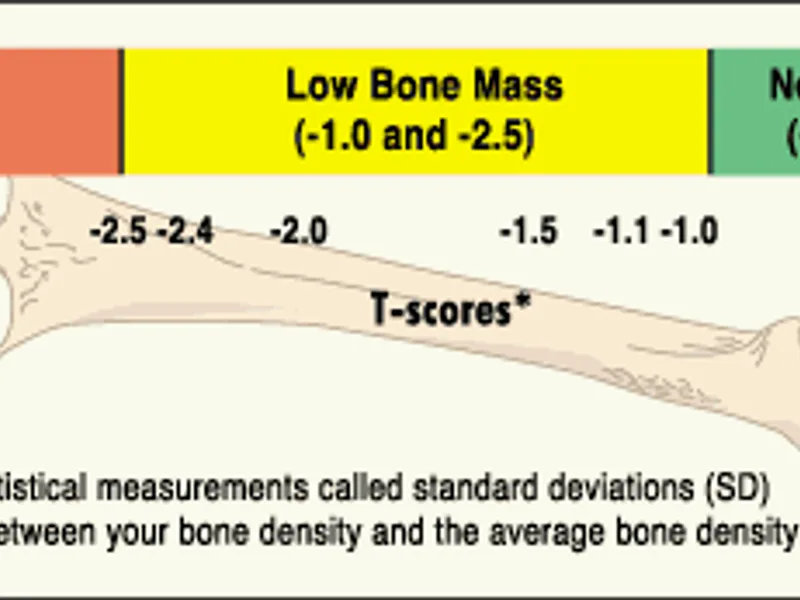
DEXA reports commonly contain a T-score and, in some situations, a Z-score.
A T-score compares bone density with that of a healthy young-adult reference population. A Z-score compares it with people of similar age, sex and other reference characteristics.
The distinction matters because T-scores are commonly used when diagnosing osteoporosis in postmenopausal women and older men, while Z-scores can be more useful in younger people and certain other situations.
Don't panic over one number. Your clinician should interpret the result alongside fracture history, medical conditions and other risk factors.
Calcium and vitamin D matter, but they are not the whole story
Calcium provides an important mineral component of bone, while vitamin D helps the body absorb calcium and supports normal bone and muscle function.
That does not mean everyone with osteoporosis should automatically start high-dose supplements. Too little can be a problem, but unnecessary supplementation can also have risks. A clinician can advise whether dietary changes, testing or supplementation makes sense for you.
DOCTAR's vitamin D and joint health guide explains why low vitamin D can be relevant to bone and muscle health. Its vitamins and supplements guide also cautions against self-diagnosing deficiencies.
For people going through menopause, DOCTAR's vitamin D and menopause article provides additional context.
Exercise protects more than bone
Walking, resistance training and other weight-bearing activities can help maintain bone and muscle strength. Stronger muscles also support balance and movement, which matters because preventing falls is a major part of preventing fractures.
The right exercise depends on someone's current bone health. A person with established osteoporosis or a previous spinal fracture should not simply copy a demanding workout found online.
DOCTAR's weight-bearing exercise guide for osteoporosis discusses exercises that may support bone strength. Its functional exercise guide for perimenopause also looks at strength, balance and weight-bearing movement.
In clinical practice, this is often missed because people focus on the DEXA number and forget the person standing in front of them. Bone density matters, but so do muscle strength, balance, vision, footwear and the home environment.
What happens if osteoporosis is diagnosed?
Treatment depends on fracture risk and the underlying cause. Some people may need lifestyle measures and monitoring, while others benefit from prescription medicines that slow bone breakdown or help build bone.
Common treatment categories include antiresorptive medicines, which reduce bone loss, and bone-building medicines for selected patients at higher risk. The choice depends on medical history and individual fracture risk.
Denosumab is one prescription treatment used for certain people with osteoporosis. DOCTAR's Prolia guide explains its role, while its Prolia versus Xgeva comparison explains why medicines containing the same active ingredient can have different approved uses.
Prescription osteoporosis medicines should not be started, stopped or changed without medical advice.
Can bone density improve?
Sometimes, yes. Bone density can improve with appropriate treatment in some people, although the goal is not simply to make a scan number “normal.”
The bigger goal is reducing the likelihood of a fracture. Depending on the person's risk, that can involve medication, nutrition, physical activity, fall prevention and management of conditions that contribute to bone loss.
DOCTAR's article on reversing bone-density loss explains why substantial osteoporosis cannot usually be managed through diet and exercise alone.
The process is also slow. Bone is not muscle; it does not respond dramatically within a few weeks.
What about other bone diseases?
Not every abnormal bone scan or bone pain means osteoporosis. Paget's disease, for example, affects bone remodeling differently and can cause enlarged or structurally abnormal bone.
DOCTAR's Paget's disease versus osteoporosis guide explains the distinction between the two conditions.
Persistent unexplained bone pain, a fracture after a minor injury, noticeable loss of height or new back pain should be medically assessed rather than automatically blamed on aging.
Bone health is a long game
Protecting bones starts well before someone receives an osteoporosis diagnosis. A balanced diet, appropriate physical activity, avoiding smoking and limiting excessive alcohol can all support skeletal health.
For older adults, fall prevention deserves equal attention. Keeping floors clear, improving lighting, reviewing medicines with a clinician and addressing vision or balance problems can make the home safer.
DOCTAR's bone-strengthening guide brings these prevention measures together. For women after menopause, its menopausal hormone therapy guide explains how hormone therapy can affect bone loss, while also discussing why the decision requires an individual risk-benefit assessment.
For people considering hormone therapy, DOCTAR's broader HRT guide provides further background.