The "Food Noise" That Nobody Was Talking About
Ask anyone who has been on Ozempic for a few weeks, and many will describe the same thing: the constant mental chatter about food just stops. Not hunger exactly — something else. The almost automatic pull toward the biscuit tin at 3pm. The way a fast-food sign used to feel like a small command. Gone, or at least quieter.
Clinicians had a name for it long before the public did: hedonic eating. That's eating driven by pleasure and habit, not hunger. For most people struggling with their weight, this is the real battle — not meals, but the relentless in-between.
What makes Ozempic (semaglutide) interesting isn't just that it helps people eat less. It's how it does that. And scientists are still working it out, which is something you rarely hear in wellness content. If you're thinking about weight management support, book a consultation with a dietitian near you before making any decisions.
What Ozempic Actually Is
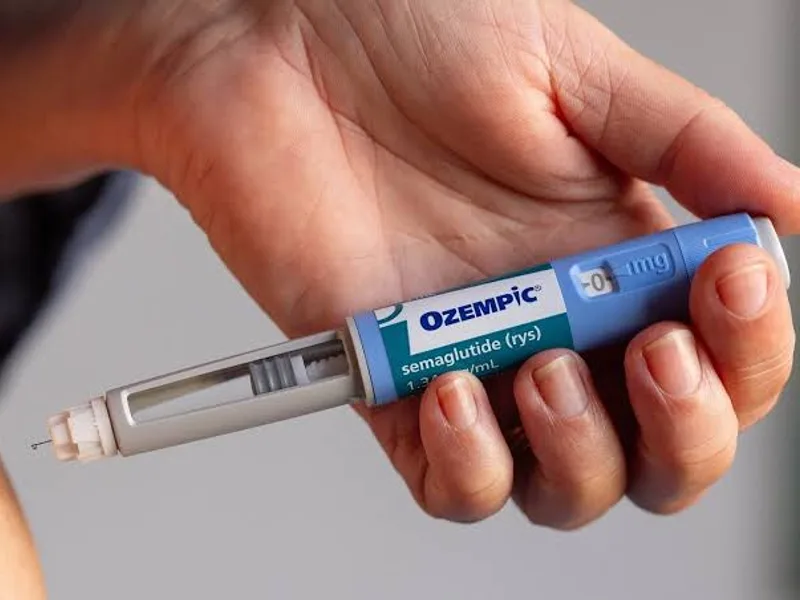
Ozempic is the brand name for semaglutide, a drug originally developed to manage type 2 diabetes. It belongs to a class called GLP-1 receptor agonists — medications that mimic a hormone your gut naturally releases after eating, called glucagon-like peptide-1. That hormone signals the pancreas to release insulin and tells the brain you're full.
Semaglutide does this job much more persistently than your body's own hormone. Natural GLP-1 breaks down within minutes. Semaglutide, injected once weekly, stays active far longer.
That extended presence in the bloodstream gives it time to reach places natural GLP-1 barely touches — including the brain. For those with diabetes or obesity-related concerns, find an endocrinologist near you to discuss whether this medication might be appropriate for your situation. You can also search for a general physician as a starting point.
What Happens Inside the Brain
GLP-1 receptors exist throughout the brain, particularly in the hypothalamus, brainstem, and a region called the nucleus accumbens — the core of the brain's reward circuitry. When semaglutide activates these receptors, it doesn't just press a "full" button. It seems to change how rewarding food feels.
In clinical practice, this is often missed because patients describe it not as reduced appetite but as indifference — they can take or leave foods they once felt driven to seek out. That distinction matters diagnostically.
The latest research — published as recently as August 2026 — has identified a region called the lateral septum as a likely hub for these craving effects. Researchers at the University of Otago found that GLP-1 drugs reduce activity in the lateral septum in a way that weakens its communication with other reward-related brain regions. Think of it as turning down the volume on the brain's wanting signal, not eliminating it entirely.
A separate 2026 NIH-funded study found that newer oral GLP-1 drugs penetrate deeper into the brain than older injectable versions, reaching circuits that control pleasure-driven eating directly. The mechanism there involves a different reward pathway — one tied to enjoyment rather than mere hunger suppression.
For those with related metabolic health concerns, search for a gastroenterologist who specialises in digestive health and metabolic conditions.
The Yale Finding That Surprised Everyone
A Yale team led by Tamas Horvath published a result in 2026 that upended the simple story. They found that sustained semaglutide treatment didn't just suppress the brain's hunger alarm neurons (called AgRP neurons) — it actually recruited them, seeming to harness them in a different way.
That's almost the opposite of what researchers expected. It suggests that Ozempic may be doing something closer to reprogramming how the brain handles energy signals, not just quieting a single circuit.
It's worth noting that a separate Northwestern Medicine study from 2025 reached the opposite conclusion — that the same drugs actively silence AgRP neurons. Both findings come from rigorous labs, and nobody has reconciled the discrepancy yet. The honest answer is: the precise mechanism is still contested. Even for a drug taken by millions of people, the neuroscience is still being written.
This uncertainty isn't alarming — it's normal in pharmacology. But it's a reason to approach dramatic claims in either direction with some scepticism.
What Patients Actually Experience
The reports from patients are remarkably consistent. Foods that once felt compulsive become easy to pass up. Alcohol cravings reduce for some. The urge to snack between meals quiets. A 2025 randomised trial in JAMA Psychiatry found that low-dose semaglutide reduced alcohol cravings and drinks per drinking day in adults with alcohol use disorder.
Some users report something they find harder to describe — a general flattening of food-related pleasure. Not misery. Just less pull. A few describe it as extending beyond food: less interest in the usual enjoyable distractions, less excitement about social eating. Whether this represents a genuine blunting of the reward system or simply a recalibration of what "normal" feels like is something researchers are actively studying.
A 2025 meta-analysis in JAMA Psychiatry found no overall rise in psychiatric problems among GLP-1 users, which is reassuring. But individual experiences vary, and any changes in mood or motivation are worth discussing with a doctor promptly. If you notice mood shifts or emotional changes while on semaglutide, consult a psychiatrist or mental health specialist without delay.
For mental health-related concerns specifically, speaking with a qualified neurologist about neurological effects may also be appropriate in some cases.
Not Just About Food
One of the more startling directions this research is taking is addiction. The same craving-suppression mechanisms that reduce the pull of chocolate may also reduce the pull of alcohol, nicotine, and possibly other addictive substances.
The 2025 JAMA Psychiatry trial on alcohol is promising. A 2026 study on smokers found semaglutide lowered cigarette cravings — but didn't reduce how many cigarettes people actually smoked, which is a useful reminder that cravings and behaviour aren't the same thing.
None of this means Ozempic is about to become an addiction treatment. The trials are small, the mechanisms are still unclear, and the drug carries its own side effects and costs. But the craving-reduction effect is real enough that researchers are taking it seriously across multiple fields.
The Side Effects Worth Knowing
The most common side effects are gastrointestinal — nausea, vomiting, constipation, diarrhoea. These tend to be worse in the first weeks and improve over time for most people. They're not trivial, and they're one reason medical supervision from a qualified doctor matters when starting semaglutide.
Rarer but more serious concerns include a potential risk of thyroid tumours observed in animal studies, though this hasn't been confirmed in human clinical trials. Pancreatitis — inflammation of the pancreas — has been reported in some users and should be taken seriously. Abdominal pain that is severe or persistent should prompt immediate medical attention. If you need urgent guidance, find emergency care near you or locate a hospital.
For monitoring and ongoing care — blood tests, glucose management, follow-up — search for diagnostic centres near you through a trusted platform.
Importantly, semaglutide is a prescription medication. Dosage decisions belong with a qualified prescribing doctor, not a blog, not a friend's recommendation, not a social media post. Search for an endocrinologist or general physician who can properly assess your individual health profile.
Who Is This Drug Actually For?
Ozempic is licensed primarily for type 2 diabetes management. Wegovy, a higher-dose version of the same drug, is the formulation approved specifically for weight management in people with obesity or with weight-related health conditions such as high blood pressure or high cholesterol.
Neither version is intended as a general "craving-control" tool for people without those diagnoses. Off-label use is a separate matter that a doctor should address individually based on your specific health history.
People with a personal or family history of medullary thyroid carcinoma, or those with multiple endocrine neoplasia syndrome type 2, are typically not candidates for this medication. A cardiologist may also need to be involved if cardiovascular risk factors are present — GLP-1 drugs have shown cardiovascular benefits in some trials, but the picture is nuanced.
For those exploring diabetes management specifically, diabetes care products and support are also available. And if weight management is your primary concern, a conversation with a registered dietitian should come before or alongside any medication discussion.
What the Research Doesn't Settle Yet
It's worth being clear about the gaps. We know semaglutide reduces cravings in many people. We're increasingly confident it acts on reward circuits in the brain, not just appetite signals in the gut. We have early, promising evidence it may reduce cravings for substances beyond food.
What we don't yet know with confidence: the precise neural mechanism (the Yale and Northwestern findings are in direct conflict); whether the craving-reduction effect holds long-term or diminishes; whether oral small-molecule GLP-1 drugs work via the same pathways as injectable semaglutide; and what happens when someone stops the drug — whether the "food noise" returns, and how quickly.
These aren't reasons to dismiss the medication. They're reasons to be a well-informed patient rather than a credulous one.