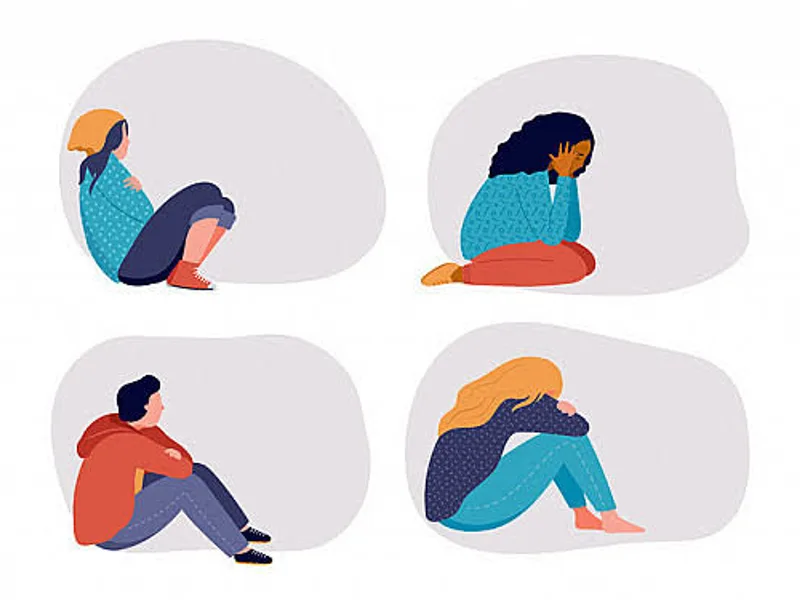
"Mental health crisis" gets attached to almost everything now, which has an odd side effect: it makes people tune out the actual problem. That's a shame, because the underlying data isn't exaggerated. It's just under-discussed in specific, useful terms.
India is home to over 436 million children and adolescents, and despite real progress in physical healthcare, mental health services for this age group have lagged badly behind, often treated as a lower priority in health policy discussions. That's not a criticism thrown from outside the system. It's the framing UNICEF itself used in its 2024 national service mapping report.
The scale globally is sobering too. The World Health Organization now ranks depression and anxiety among the top five causes of disability in adolescents worldwide, and suicide remains the second leading cause of death among people aged 15 to 19. Numbers like that don't need embellishing. They need attention.
Why So Many Cases Get Missed
Here's the part that doesn't make headlines: most pediatric mental health struggles don't look like a crisis until they suddenly do. Mental health issues in children are frequently left unidentified and untreated until distress has already turned into dysfunction, partly because of stigma and partly because of a widespread tendency to write off adolescent struggles as a normal part of growing up.
In clinical practice, this is often missed because irritability, withdrawal, and slipping grades get chalked up to hormones, laziness, or "just being a teenager." Sometimes that's exactly what it is. But those same signs are also how anxiety and depression show up in kids who don't yet have the vocabulary to say "I feel hopeless."
There's a structural problem too. Even when a teacher or parent does identify a problem, referral pathways are often fragmented, with existing school mental health schemes lacking reliable follow-up mechanisms for cases that need specialist care. Recognizing a problem and actually getting a child connected to treatment are two very different steps, and the second one is where a lot of families get stuck.
What's Actually New in This Conversation
It's not all bleak. India now has Tele MANAS, a national tele-mental health helpline launched specifically to expand access beyond big cities, offering crisis counseling by phone. It's a meaningful shift from where things stood even five years ago, when a family in a smaller town had almost nowhere structured to turn.
Screening is also slowly moving earlier. There's growing recognition that emotional and behavioral difficulties can surface as young as four or five, not just in the teenage years, which changes what pediatricians should be watching for at routine checkups. Whether that translates into consistent practice everywhere is a fair question, and honestly, probably not yet.
Warning Signs Worth Taking Seriously
A single bad week rarely means anything on its own. What matters more is a pattern: a noticeable, sustained shift in mood, sleep, appetite, or interest in things a child used to enjoy, lasting more than two weeks. Withdrawal from friends, a sudden drop in school performance, or a child who seems persistently on edge or unusually flat are worth a conversation, not dismissal.
Any mention of self-harm or hopelessness should always be taken seriously, even if it's said quietly or seems out of character. That's not overreacting. If your child, or someone you know, is currently in crisis or expressing thoughts of suicide, India's Tele MANAS helpline (14416 or 1-800-891-4416) and the KIRAN helpline (1800-599-0019) are available 24/7, and reaching out is worth doing immediately rather than waiting to see if it passes.