Pelvic Floor Dysfunction: What It Is and Why It's Often Missed
Pelvic floor dysfunction doesn't get talked about much. Maybe it's the location, maybe it's embarrassment. But it affects a lot of people quietly, for years, before anyone gives it a proper name.
If you've ever leaked urine when you sneeze, felt a strange pressure "down there" by the end of the day, or struggled with constipation that nothing seems to fix — this might be the missing piece.
What Exactly Is the Pelvic Floor?
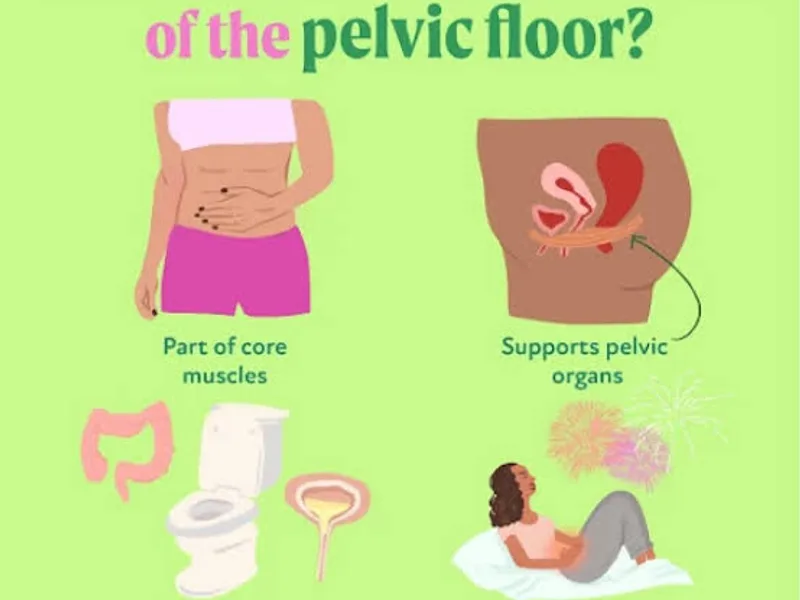
Picture a hammock of muscles stretched between your pubic bone at the front and your tailbone at the back. That's your pelvic floor. It holds up your bladder, bowel, and — in women — the uterus.
These muscles do double duty. They need to stay tight enough to control when you pee, poop, or pass gas, but relax enough to let all of that happen when you want it to. Dysfunction shows up when that balance breaks down, either because the muscles are too weak or, just as often, too tight.
That second part surprises people. Most assume pelvic floor problems mean weak muscles that need "strengthening." Sometimes the opposite is true — the muscles are gripped and overactive, and more Kegels just make things worse.
Common Symptoms People Ignore for Too Long
Symptoms vary depending on whether the muscles are weak, tight, or simply uncoordinated. A few patterns tend to repeat:
Leaking urine when coughing, laughing, or exercising
A frequent, urgent need to pee, even with an empty bladder
Chronic constipation or straining that doesn't respond to diet changes
A heavy, dragging sensation in the pelvis, especially by evening
Pain during sex, or a general ache in the lower belly, hips, or lower back
None of these are things you're supposed to just live with, even though a lot of people do for years before mentioning it to anyone.
Who Gets It — and Why Men Are Often Left Out of the Conversation
Pregnancy and childbirth are the most talked-about causes, and for good reason — carrying and delivering a baby puts real strain on these muscles. A gynecologist is usually the first stop for postpartum symptoms, and rightly so.
But this isn't only a women's health issue. Men can develop pelvic floor dysfunction too, often after prostate surgery, chronic constipation, or years of unconsciously tensing the pelvic muscles under stress. It's under-discussed largely because men are less likely to bring it up at all. A urologist can assess bladder and urinary symptoms in these cases.
Other risk factors include ageing, obesity, chronic coughing, heavy lifting, and prior pelvic surgery. Menopause matters too — the drop in oestrogen thins pelvic tissue and can weaken support structures.
In clinical practice, this is often missed because the symptoms get blamed on something else entirely — "just getting older," a sensitive bladder, or stress. By the time someone connects the dots, they've usually adjusted their whole life around it: knowing where every bathroom is, avoiding the gym, skipping the trampoline park with their kids.
How It Gets Diagnosed
There's no single blood test for this. Diagnosis usually starts with a conversation about your symptoms and daily habits, followed by a physical exam to check muscle tone, strength, and coordination.
A general physician is a reasonable first stop if you're unsure who to see. From there, you may be referred to a specialist. Some cases call for imaging or bladder function tests, arranged through a diagnostic center near you.
Treatment: Not Everyone Needs Surgery
This is the part people get wrong most often. Surgery is rarely the first option, and for many people, it's never needed at all.
Pelvic floor physiotherapy is usually where treatment starts, and it's more precise than generic "do your Kegels" advice. A trained physiotherapist can assess whether your muscles are weak, tight, or poorly coordinated, and build a plan around that — because treating a tight pelvic floor like a weak one tends to backfire.
Other approaches include:
Biofeedback therapy, which helps you actually feel which muscles you're engaging
Lifestyle changes — fibre intake, hydration, posture, and cutting back on bladder irritants like caffeine
Relaxation techniques for cases where the muscles are overactive rather than weak
Medication for related bladder symptoms, prescribed and monitored by a doctor
Surgery is generally reserved for structural issues like significant prolapse that hasn't responded to other treatment, and that decision is made with a general surgeon or a specialist, not on your own.
If pelvic pain is affecting your sex life, that's also worth raising directly — a sexologist or your gynecologist can help without judgment.
When to See a Doctor
Don't wait for symptoms to become severe before asking about this. If leaking, pelvic pressure, or pain has been going on for more than a few weeks, that's reason enough to get checked.
You can search for a gynecologist near you, find a urologist, or book a home visit doctor if getting to a clinic is difficult. For related concerns like weight or diet adjustments, a dietitian can also help, and if hormonal changes around menopause are part of the picture, an endocrinologist may be worth consulting.
If you need a broader search, browse doctors near you or check listings by city, such as doctors in Kolkata, Delhi, or Mumbai. For post-treatment care or nursing support at home, home nurse services are also available. You can read patient reviews before booking, and if surgery is ever recommended, compare options through surgery listings.