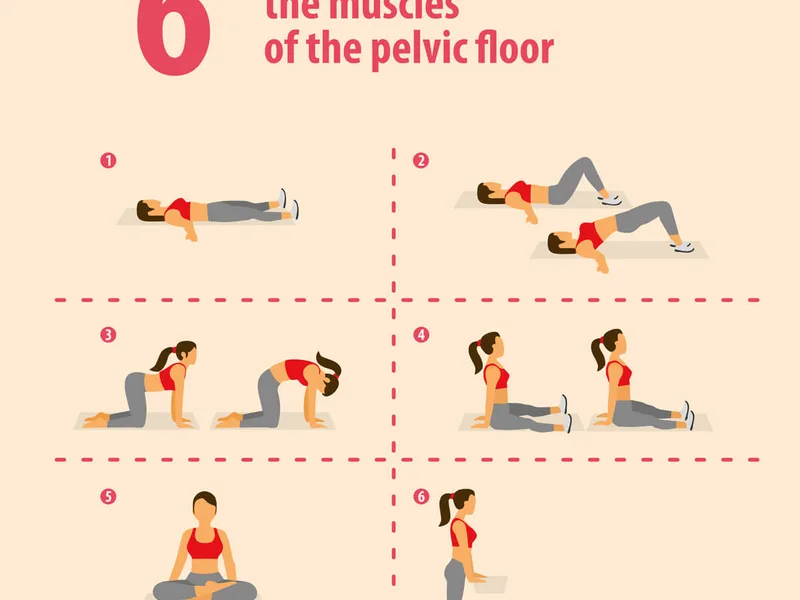
What Pelvic Floor Exercises Actually Do
The pelvic floor is a group of muscles that sits like a hammock at the base of your pelvis. It supports the bladder, bowel, and — in women — the uterus. These muscles also play a role in bladder control, bowel control, and sexual function, which is why weakness or tightness here shows up in so many different symptoms.
Kegel exercises, named after the gynecologist who described them in the 1940s, are simply contractions of these muscles. The idea is straightforward: contract, hold, release, repeat. What's not straightforward is doing it correctly, and that's where most people go wrong without realizing it.
If you've ever leaked a little urine while sneezing, laughing, or jumping rope, that's often a pelvic floor issue. A gynecologist or urologist can confirm whether pelvic floor weakness is actually the cause, since bladder symptoms can have several origins.
Who Should Be Doing These Exercises
Pregnancy and childbirth are the most common triggers for pelvic floor weakness, but they're far from the only ones. Menopause, chronic coughing, long-term constipation, heavy lifting, and simply getting older all put strain on these muscles over time.
Men have a pelvic floor too, and it matters just as much — particularly after prostate surgery, when bladder control issues are common. This isn't only a "women's health" topic, even though it's marketed that way most of the time.
In clinical practice, this is often missed because patients assume incontinence is just a normal part of aging or childbirth and never mention it during a regular checkup. It isn't something you have to just live with. A general physician can be a reasonable first stop if you're unsure which specialist to see.
That said, not everyone needs Kegels. Some people actually have pelvic floor muscles that are too tight, not too weak — a condition sometimes linked to pelvic pain or painful intercourse. Doing more Kegels in that situation can make things worse, not better. This is one reason self-diagnosing from an app or a blog post (including this one) has real limits.
How to Actually Find the Right Muscles
Here's the honest truth: a large number of people who think they're doing Kegels correctly are not. Studies on this have found that a meaningful share of women, when taught only through verbal instructions, end up contracting the wrong muscles — sometimes the abdominal or buttock muscles instead.
A simple way to locate the right muscles is to imagine stopping the flow of urine midstream, or gently drawing in as if trying not to pass gas. You should feel a lifting sensation internally, not a straining one. Try it lying down first — it's genuinely easier to feel what's happening when gravity isn't working against you.
The Common Mistake That Undoes the Whole Exercise
Holding your breath. It sounds minor, but it's probably the single most common error people make. Holding your breath tends to push down on the pelvic floor instead of lifting it, which works directly against the exercise. Breathe normally throughout — that's it, that's the fix, and yet almost nobody mentions it clearly enough.
Another frequent mistake is clenching the thighs, glutes, or stomach along with the pelvic floor. If you can feel your legs working, you're probably not isolating the right muscles yet.
A Simple Routine to Start With
There's no single "correct" number of reps that applies to everyone, and be wary of any source that hands you an exact prescription without knowing your history. As general guidance, many clinicians suggest starting with short holds — a few seconds on, a few seconds off — for about 10 repetitions, done a few times a day, then gradually building duration as control improves.
Consistency matters more than intensity here. This is closer to slow physiotherapy than a gym workout, and results usually take weeks, not days.
If you're not confident you're doing it right, a physiotherapist trained in pelvic health can check your technique directly, sometimes using biofeedback tools that show muscle activity in real time. This single step resolves more confusion than months of guessing on your own.
When Kegels Alone Aren't Enough
Exercises help a lot of people, but they're not a fix for everything. Pelvic organ prolapse, more advanced incontinence, or persistent pelvic pain may need additional treatment — physical therapy protocols, medication, or in some cases surgery.
Chronic constipation puts ongoing pressure on the pelvic floor, so addressing diet and fiber intake matters too; a dietitian can help if that's a factor. For postpartum recovery specifically, it's worth asking your gynecologist when it's safe to begin, since timing varies depending on delivery type and recovery.
Hormonal changes around menopause also affect pelvic tissue strength, and an endocrinologist or gynecologist can advise on that alongside exercise. If bowel symptoms are part of the picture, a gastroenterologist may need to be involved as well.
For more involved cases, a general surgeon or a specialist offering laparoscopic options may discuss surgical repair for prolapse when conservative measures haven't worked. This isn't meant to alarm anyone — most people never reach that point — but it's worth knowing the full range of options exists.
Finding the Right Support
If you're dealing with symptoms and don't know where to start, searching doctors near you by specialty is a reasonable first move. Some people prefer starting with a home visit doctor if mobility or postpartum recovery makes travel difficult, especially with a nurse available for follow-up care at home.
Diagnostic tests, such as urodynamic studies, can help confirm what's actually going on before starting treatment; you can check diagnostic centers near you or browse diagnostic services if your doctor recommends testing. For broader options, hospitals and clinics list specialists across departments, and searching surgical procedures can help you understand costs and options if surgery is ever discussed.
Pelvic floor issues can also affect intimacy and confidence, and a sexologist is a legitimate resource if that's part of what you're navigating — it's a medical conversation, not something to be embarrassed about. If you need a pelvic floor physiotherapist near you or want to browse all nearby doctors, that's a practical next step rather than continuing to guess at home. Prescribed support products, when recommended by a doctor, can usually be sourced through a nearby pharmacy or checked in the general product listings.
For families managing postpartum care alongside a new baby, checking in with a pediatrician for the baby doesn't mean forgetting the parent's own recovery — both matter, and both deserve attention. You can read more general health explainers on the Doctar blog, learn more about the platform, or reach out through contact support if you need help finding the right specialist.