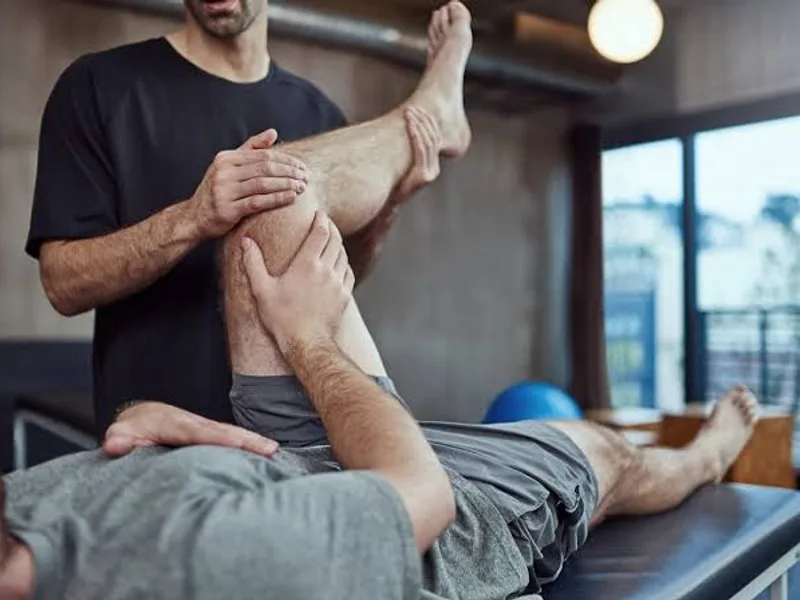
Tweak your shoulder during a bench press, and the advice you'll hear from most gym regulars is some version of "rest it and it'll be fine." Sometimes that's true. Often it isn't, and the ache quietly turns into a recurring problem that flares up every time you go back to training.
Physiotherapy exists precisely for that grey zone, injuries that aren't severe enough for surgery but persistent enough that rest alone isn't resolving them. It's more structured than people expect, and considerably more useful than just stretching it out and hoping.
What Physiotherapy Actually Does
A physiotherapist assesses how you move, not just where it hurts. That distinction matters more than it sounds like it should. Pain in one joint often traces back to a compensation pattern somewhere else entirely, a weak hip contributing to knee pain, for instance, or poor shoulder mobility showing up as lower back strain during deadlifts.
Treatment usually combines hands-on techniques, like manual therapy or soft tissue work, with a structured exercise program designed to rebuild strength and mobility around the injured area. This isn't the same as just "doing some stretches." The exercises are chosen deliberately, progressed gradually, and adjusted based on how you're responding week to week.
In clinical practice, this is often missed because people assume physiotherapy is only for post-surgery recovery or serious injuries, when it's actually most effective when started early, before a minor issue becomes a chronic one. Waiting months before seeing someone usually means a longer, harder recovery than starting within the first few weeks.
Physiotherapist or Orthopedist First?
This trips a lot of people up, understandably. Both deal with musculoskeletal issues, but their roles are genuinely different.
An orthopedist is a medical doctor trained to diagnose structural damage, things like fractures, ligament tears, or conditions that might need imaging, medication, or surgery. A physiotherapist focuses on rehabilitation and restoring function through movement, without prescribing medication or performing surgery.
For most everyday gym injuries, sprains, strains, tendon irritation, and general aches without an obvious trauma event, starting with a physiotherapist is reasonable. If there was a specific injury moment, an audible pop, visible swelling, or you can't bear weight on the area at all, seeing an orthopedist first for proper evaluation and imaging makes more sense, since ruling out a fracture or ligament tear changes the treatment plan entirely.
What a Typical Physiotherapy Session Looks Like
The first session is mostly assessment. Expect questions about how the injury happened, what movements aggravate it, your training history, and a physical examination checking range of motion, strength, and how you move through specific patterns related to your injury.
From there, a treatment plan gets built around your specific findings, not a generic template. Sessions might involve manual therapy to reduce pain and improve mobility, combined with targeted exercises you'll also do at home between visits. Progress gets reassessed regularly, and the plan adjusts based on how your body is actually responding, not a fixed schedule set on day one.
Recovery timelines vary enormously depending on the injury, how long it went untreated before you sought help, and your consistency with the home exercise component. Please don't expect a single session to resolve something that's been building for months, that's not realistic, and any physiotherapist being honest with you will say the same.
Common Gym Injuries Physiotherapy Helps With
Shoulder impingement, often from repetitive overhead pressing or poor scapular positioning, responds well to targeted mobility and strengthening work addressing the underlying movement pattern, not just the painful spot itself.
Lower back strain, frequently linked to deadlift or squat form breaking down under fatigue, often improves through a combination of core stability work and correcting the specific movement fault that caused the strain in the first place.
Knee pain, including patellar tendon irritation common in people doing heavy squats or lots of running, generally benefits from a structured loading program that gradually rebuilds tendon tolerance rather than complete rest, which counterintuitively can sometimes make tendon issues worse if extended too long.
When to See a Doctor Instead of Waiting
Certain signs mean a doctor's assessment should come before physiotherapy, not after.
Severe pain that started suddenly during a specific movement
Visible swelling, bruising, or deformity around a joint
Inability to bear weight or use the limb normally
Numbness, tingling, or weakness alongside the pain
Pain that hasn't improved at all after two to three weeks of rest
If any of these apply, a general physician near you can help direct you to the right specialist, or you can go straight to an orthopedist if the injury clearly involves a joint or suspected structural damage. Imaging through a diagnostic centre near you may be recommended before physiotherapy begins in these cases, just to rule out anything that needs a different approach first.
Getting Back to Training Without Reinjuring Yourself
The temptation to return to full training the moment pain fades is strong, and it's also one of the more common reasons injuries recur. A good physiotherapy plan includes a gradual return-to-training phase, not just pain relief followed by an immediate jump back to previous weights.
This phase usually looks like progressively reintroducing the movements that caused the original issue, at reduced intensity, while monitoring how the area responds. Skipping this step to save time tends to cost more time later, when the injury flares up again a few weeks into training.
Getting the Right Support Around Recovery
Recovering properly from a gym injury usually goes better with the right people involved from the start rather than guessing your way through it. You can browse verified doctors near you or doctors in Kolkata to find a physiotherapist or orthopedist suited to your specific injury. For imaging or a fuller diagnostic workup, diagnostic centres across Kolkata or hospitals in Kolkata can confirm what's needed before treatment begins.
If mobility is limited after an injury, home visit doctor services can bring an initial assessment to you rather than requiring travel on a painful joint. A dietitian can help support tissue repair through proper nutrition during recovery, which matters more than most people realise when healing time is already limited by other factors.
Medicines or supports prescribed during recovery can be ordered through a pharmacy near you, and ongoing at-home monitoring can be arranged through home nursing services or a compounder if needed between physiotherapy sessions. For cardiovascular concerns unrelated to the injury itself but relevant to overall training capacity, a cardiologist is worth consulting, and anyone managing diabetes alongside recovery should keep an endocrinologist informed, since blood sugar control genuinely affects healing speed.
Persistent skin irritation from braces or supports is worth mentioning to a dermatologist, and breathing difficulty that seems unrelated to the injury should go to a pulmonologist rather than being dismissed. Younger athletes recovering from gym injuries should be guided by a pediatrician, and women managing recovery around pregnancy should involve a gynecologist early in the process. If an injury ever requires surgical evaluation despite physiotherapy, comparing options through surgery listings is worth doing carefully, and outside Kolkata, similar support networks exist through doctors across India.