Postpartum depression is not a failure of motherhood
A new baby can bring happiness and exhaustion at the same time. But when sadness, anxiety, hopelessness or irritability become persistent and start interfering with everyday life, the problem may be more than the normal adjustment after childbirth. Postpartum depression is a medical condition that deserves proper care, not criticism.
The phrase “baby blues” sometimes creates confusion. Mild mood changes, crying, worry and exhaustion are common during the first days after delivery and generally improve within about two weeks. Postpartum depression is more intense, lasts longer and can make ordinary tasks or caring for oneself and the baby feel overwhelming.
For readers navigating the wider postpartum period, DOCTAR's guide to postpartum recovery and common complications is a useful companion. Its discussion of the physical and emotional changes after childbirth shows why the mother's health cannot be treated as an afterthought.
What does postpartum depression feel like?
Postpartum depression does not always look like constant crying. Some women become unusually angry, withdrawn or anxious. Others describe numbness, guilt, exhaustion or a feeling that they are failing at motherhood.
Common symptoms can include persistent sadness or emptiness, loss of interest in things once enjoyed, major changes in sleep or appetite, difficulty concentrating, feelings of worthlessness and trouble bonding with the baby. Some people also experience frightening thoughts about death or harming themselves or their baby.
That last group of symptoms needs urgent attention. Thoughts of self-harm, harming the baby, severe confusion, hallucinations or losing touch with reality are not symptoms to monitor at home. Postpartum psychosis is rare but is a psychiatric emergency requiring immediate medical care.
DOCTAR also covers postpartum depression in greater detail, including the difference between the baby blues and depression and ways families can seek support.
Why can depression develop after childbirth?
There is rarely one single cause. Hormonal changes after delivery, a previous history of depression, severe fatigue, stressful life events and limited social support can all contribute. Pregnancy and childbirth are major physical and emotional transitions, and some people are more vulnerable to depression during this period.
In clinical practice, this is often missed because everyone is watching the baby. A mother who says she is exhausted may be told that sleeplessness is simply part of having a newborn, while persistent anxiety or hopelessness gets overlooked.
The problem is not that tiredness is unusual. It is knowing when ordinary exhaustion has become something more serious.
For related reading, DOCTAR's guide to depression in Indian adults explains how doctors assess persistent low mood, loss of interest and other symptoms. Its article on depression during motherhood is also relevant for women whose symptoms continue beyond the immediate postpartum period.
Physical recovery and mental health are connected
Postpartum care is not just about checking whether stitches have healed or whether bleeding has settled. Physical recovery, sleep, feeding, emotional health and social support can affect one another. Professional guidance recommends that postpartum care include assessment of psychological well-being as well as physical recovery.
DOCTAR's postpartum recovery guide discusses fatigue, rest, nutrition, physical recovery and emotional warning signs. Its postpartum eating guide also looks at nutrition during recovery.
Sleep deserves particular attention. Newborns rarely follow a convenient timetable, and repeated night waking can leave parents running on very little rest. DOCTAR's guide to newborn sleep and baby sleep schedules provide practical background for families adjusting to this stage.
The mother's sleep still matters, even when the baby needs frequent care. Asking a partner, relative or trusted helper to take over some responsibilities can sometimes create the breathing room needed for rest and recovery.
When should someone seek professional help?
There is no prize for waiting until symptoms become unbearable. A woman who has persistent sadness, anxiety, guilt, loss of interest, difficulty functioning or troubling thoughts should speak with an obstetrician-gynecologist, primary-care doctor or mental health professional. ACOG advises people who think they may have postpartum depression not to wait for a routine postpartum check-up before raising the concern.
A doctor may ask about mood, sleep, appetite, anxiety, functioning and thoughts of self-harm. Screening questionnaires can also be used to identify depression or anxiety and monitor response to treatment.
For women looking for a broader reproductive-health perspective, DOCTAR's guide to choosing a gynecologist explains what these specialists manage, including pregnancy and postnatal care. Its preconception care guide is useful earlier in the family-planning journey.
Treatment can involve therapy, medication or both
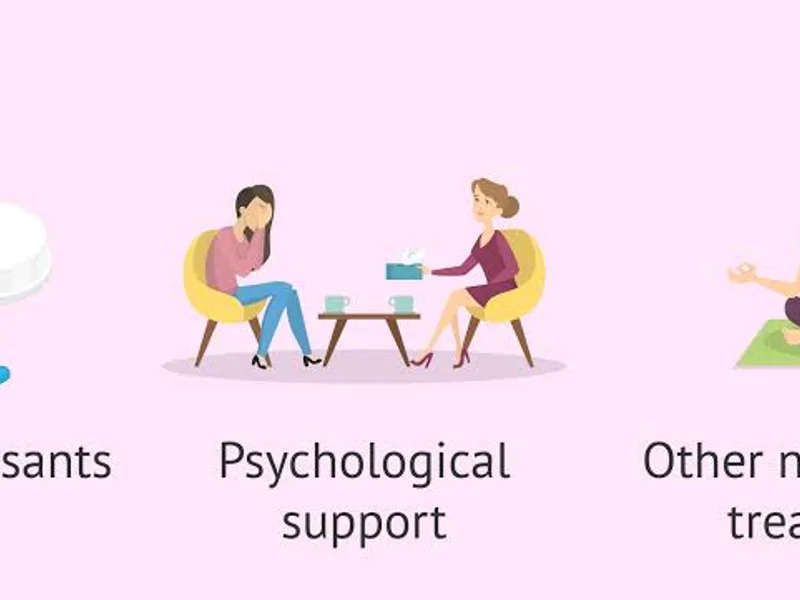
Treatment depends on the person's symptoms, medical history, preferences and whether they are pregnant or breastfeeding. Talk therapy, including forms such as cognitive behavioral therapy and interpersonal therapy, is commonly used. Medication may also be appropriate for some patients.
Treatment decisions during breastfeeding need individual medical advice. Medication can pass into breast milk, so the clinician and patient should discuss the potential benefits and risks rather than stopping or avoiding treatment without guidance.
Newer treatments have also changed the conversation around postpartum depression. Zuranolone, for example, is an oral treatment approved in the United States for adults with postpartum depression. Its availability and suitability vary by country and individual circumstances, so this is not something to self-start or obtain based on an online article.
DOCTAR's article on zuranolone and postpartum depression provides additional background, while its guide to antidepressant prescribing in India explains which healthcare professionals may prescribe these medicines.
Partners and families have a role too
A mother may not recognise that she is depressed. Sometimes a partner, sister, friend or parent notices the change first. Asking a simple question such as “How are you really feeling?” can open a door that advice and criticism cannot.
Support should be practical as well as emotional. Preparing meals, helping with household work, arranging childcare for older children or accompanying someone to a medical appointment can reduce some of the pressure surrounding recovery.
DOCTAR's postpartum depression guide for people without insurance discusses access to care and support in India. Its guide to booking a doctor appointment online may also help readers who need a convenient way to arrange a consultation.
Families can also learn about the baby's health without putting all responsibility on the mother. DOCTAR's neonatal-period guide for new parents covers the first 28 days of life, while its pediatrician guide explains when a baby may need medical attention.
Other newborn-care resources include DOCTAR's guides to newborn bathing, newborn skin care and baby weight gain. These are not substitutes for medical care, but they can help parents separate common questions from situations requiring a doctor.
What should never be ignored?
Some symptoms require immediate help rather than a scheduled appointment. These include thoughts or plans to harm oneself or the baby, severe confusion, hallucinations, delusions, extreme agitation or behaviour that seems disconnected from reality. Postpartum psychosis requires emergency assessment.
If there is an immediate danger, the person should not be left alone. Contact local emergency medical services or go to the nearest emergency department.
For additional context, DOCTAR's article on postpartum bipolar symptoms explains why severe mood changes after childbirth sometimes require assessment for conditions other than depression.
Other postpartum symptoms can also need medical review. DOCTAR's postpartum fever guide covers fever and possible infections, while its postpartum skin and hair guide discusses common physical changes after pregnancy.
Awareness has to include the mother
Postpartum depression is not a sign that someone does not love their baby. It is a health condition that can affect mood, thinking, energy, relationships and daily functioning, and it can be treated.
The wider healthcare system has a role here too. WHO supports integrating maternal mental health into pregnancy and postnatal services, with early identification and appropriate support.
For readers interested in broader women's health, DOCTAR's Women's Health section brings together information on pregnancy, gynecology and related conditions. Its irregular-periods guide and PCOS and menopause guide cover different stages of reproductive health.