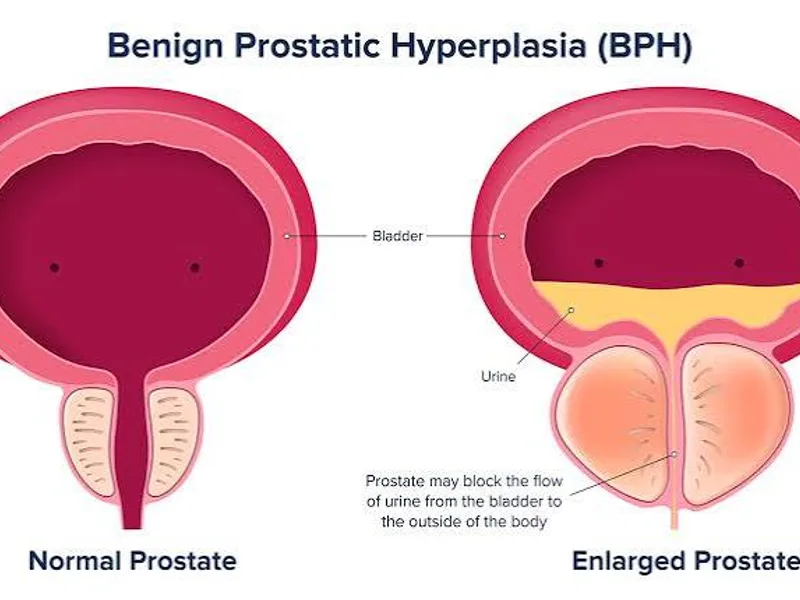
What is prostate enlargement?
Benign prostatic hyperplasia, or BPH, is a non-cancerous enlargement of the prostate gland. The prostate sits below the bladder and surrounds part of the urethra, the tube that carries urine out of the body.
As the prostate enlarges, it can narrow the urethra and make it harder for urine to leave the bladder. BPH becomes more common with ageing, although not every man with an enlarged prostate develops troublesome symptoms.
Doctar's article on prostate size and when to worry provides a useful overview of prostate growth and BPH.
What are the common symptoms of BPH?
BPH symptoms mainly affect the lower urinary tract. They can develop gradually, and some men initially dismiss them as a normal part of getting older.
Common symptoms include:
needing to urinate frequently
waking several times at night to urinate
a sudden or difficult-to-control urge to urinate
difficulty starting the urine stream
a weak or slow stream
urine flow that stops and starts
dribbling after urination
feeling that the bladder has not emptied completely
The symptoms can be frustrating, particularly when they repeatedly interrupt sleep.
Doctar's bladder-health guide also discusses urinary frequency and other bladder symptoms that can overlap with BPH.
1. Frequent urination
One of the most noticeable changes is needing to urinate more often than before.
A man may find himself making repeated trips to the bathroom during the day. The bladder can become more sensitive as it works harder against resistance from the enlarged prostate.
But frequency does not automatically mean BPH. Urinary infections, diabetes, excessive fluid intake and bladder conditions can cause similar symptoms.
2. Getting up at night to urinate
Nocturia means waking during the night to urinate.
One nighttime bathroom visit may not be unusual, particularly with ageing. Repeatedly waking several times can become disruptive, leaving a man tired during the day.
BPH is one possible cause, but sleep disorders, diabetes, certain medicines and drinking large amounts of fluid late in the evening can also contribute.
3. Difficulty starting urination
Some men notice that they have to wait before urine starts flowing.
This is called urinary hesitancy. A man may stand at the toilet for several seconds before the stream begins, particularly when the bladder is full.
An enlarged prostate can contribute by increasing resistance at the bladder outlet.
4. Weak urine stream
A weaker stream is another classic BPH symptom.
The urine may come out more slowly than it did years earlier, or the stream may lack its previous force.
A weak stream is not proof of an enlarged prostate, however. Other urinary conditions can produce the same symptom.
5. Urine flow that stops and starts
Some men notice an intermittent stream.
The urine begins flowing, stops, and then starts again. This can occur because of obstruction at the bladder outlet or changes in bladder muscle function.
If this is a new or persistent symptom, it is worth discussing with a doctor rather than simply accepting it as ageing.
6. Dribbling after urination
A few drops of urine may leak after a man thinks he has finished.
This is called post-void dribbling and is among the recognised symptoms of BPH.
It can also occur for reasons unrelated to prostate enlargement, so the complete urinary history matters.
7. Feeling that the bladder has not emptied
A man may finish urinating but still feel that some urine remains.
This sensation can occur when the bladder does not empty completely. BPH can contribute to urinary retention, particularly as obstruction becomes more significant.
Persistent incomplete emptying deserves medical assessment because retained urine can increase the risk of complications.
Does prostate size determine symptom severity?
Not necessarily.
This is one of the most useful things to understand about BPH.
A relatively small enlargement can cause significant urinary symptoms in one man, while another man with a much larger prostate may have few complaints. Mayo Clinic and NIDDK both note that prostate size does not always correspond to symptom severity.
So an ultrasound showing an “enlarged prostate” does not automatically mean treatment is required.
The symptoms and their effect on daily life matter too.
Can BPH cause pain?
Typical BPH is primarily a urinary-flow problem and does not usually cause significant pain.
Painful urination, pelvic discomfort, fever or chills may point toward another problem, such as a urinary infection or prostatitis.
NIDDK advises prompt medical attention when urinary symptoms occur with fever and chills or significant lower abdominal or urinary-tract pain.
Doctar's urology information can help readers explore other urinary and male reproductive conditions.
Is BPH the same as prostate cancer?
No.
BPH is a benign, non-cancerous enlargement of the prostate. Having BPH is not thought to increase the risk of developing prostate cancer.
However, the symptoms can overlap.
Difficulty urinating, frequent urination and a weak stream can occur with several prostate or urinary conditions. Blood in the urine or semen, unexplained weight loss, persistent bone pain or other concerning symptoms require medical evaluation rather than being automatically attributed to BPH.
Doctar's prostate cancer guide discusses prostate cancer symptoms and evaluation.
What complications can severe BPH cause?
Many men have mild BPH without serious complications. More severe obstruction can become a medical problem.
Possible complications include:
Being unable to urinate at all is an urgent problem. A man who suddenly cannot pass urine should seek immediate medical care rather than waiting for the symptom to resolve.
When should you see a doctor?
Make an appointment if urinary symptoms are persistent, worsening or interfering with sleep, work or daily activities.
See a doctor promptly if you notice:
inability to urinate
blood in the urine
fever or chills with urinary symptoms
significant lower abdominal or urinary pain
recurrent urinary infections
rapidly worsening difficulty passing urine
A doctor may assess the prostate, urine, bladder function and other possible causes of urinary symptoms.
In clinical practice, men often wait too long because they assume a weaker stream or repeated nighttime urination is simply “what happens with age.” Age-related changes are common, but troublesome urinary symptoms deserve an explanation.
How is BPH evaluated?
The evaluation depends on the symptoms and medical history.
A doctor may ask about:
how often you urinate
how many times you wake at night
whether you have urgency
how strong the urine stream is
whether you feel completely empty afterward
medicines and supplements
previous urinary or prostate problems
Urine testing may help look for infection or blood. Depending on the situation, doctors may also assess urine flow, measure urine left in the bladder after urination or use imaging. Doctar's prostate-size guide describes some of these investigations.
A prostate examination and PSA testing may be considered based on age, symptoms and individual risk. PSA is not a simple “BPH test,” because PSA can be affected by several prostate conditions.
Can lifestyle affect BPH symptoms?
Some everyday habits may make urinary symptoms more noticeable.
For example, reducing excessive evening fluids may help some men with nighttime urination. Caffeine and alcohol can also increase urinary frequency or urgency in some people.
Doctar's overactive bladder guide explains how bladder symptoms can overlap with prostate-related urinary problems.
However, lifestyle changes should not be used to ignore significant obstruction or urinary retention.
Does BPH affect sexual health?
BPH itself is primarily a urinary condition, but urinary symptoms can affect quality of life and sexual wellbeing.
Some men with lower urinary tract symptoms also report erectile or ejaculation problems. These conditions may share risk factors, but one does not automatically cause the other.
Doctar's erectile dysfunction guide covers erection problems in more detail.
Men experiencing persistent sexual symptoms can also consider a sexologist consultation.
What treatments are available?
Treatment depends on how severe the symptoms are and whether complications are present.
For mild symptoms, doctors may initially recommend monitoring and lifestyle changes. Medicines can be used when symptoms are more troublesome, while procedures or surgery may be considered when medication does not provide enough relief or significant obstruction develops.
Treatment options include medicines such as alpha-blockers and 5-alpha-reductase inhibitors, as well as selected minimally invasive procedures and surgery.
The right treatment depends on prostate characteristics, symptoms, other medical conditions and personal preferences. It should be decided with a qualified urologist rather than based on prostate size alone.