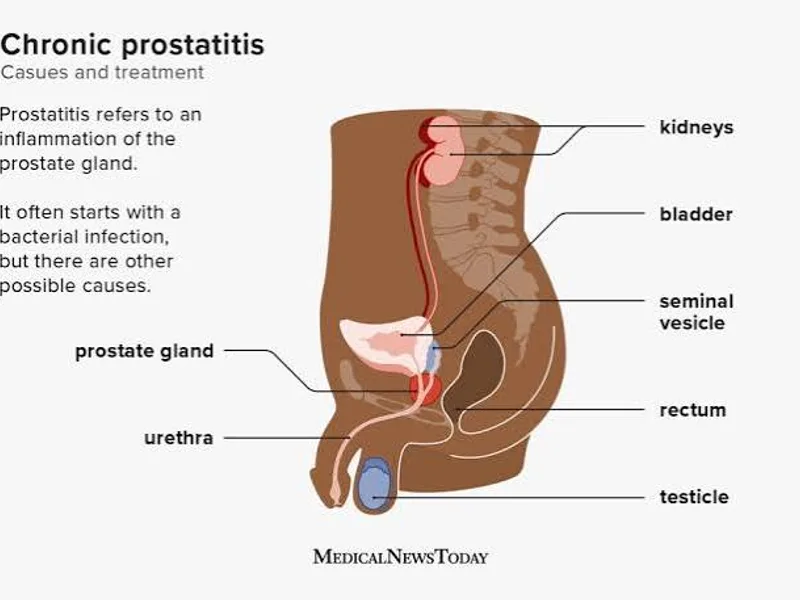
What is prostatitis?
Prostatitis means inflammation of the prostate, sometimes involving the tissues around it. It is not one single condition. Doctors generally distinguish between acute bacterial prostatitis, chronic bacterial prostatitis, chronic prostatitis/chronic pelvic pain syndrome (CP/CPPS), and asymptomatic inflammatory prostatitis.
The symptoms can look similar to other urinary problems, including urinary infections and prostate enlargement. That is why persistent urinary or pelvic symptoms should not be self-diagnosed as prostatitis.
Doctar's men's health articles provide additional information about prostate, urinary and reproductive health.
What are the symptoms of prostatitis?
Symptoms depend on the type and how long the condition has been present.
Common symptoms can include:
burning or pain while urinating
needing to urinate frequently
sudden urinary urgency
weak or interrupted urine flow
difficulty starting urination
pelvic or lower abdominal pain
pain in the penis or scrotum
pain between the scrotum and anus
lower-back discomfort
painful ejaculation
fever and chills in acute bacterial prostatitis
Not every man experiences all of these symptoms.
Pelvic pain is a common feature
Chronic prostatitis/chronic pelvic pain syndrome can cause discomfort for three months or longer.
The pain may occur in the area between the scrotum and anus, the penis, scrotum, lower abdomen or lower back. It may come and go rather than remaining constant. Pain during or after ejaculation is also common.
This can be particularly frustrating because chronic pelvic pain syndrome does not always have an identifiable bacterial infection.
Doctar's information on male sexual health covers related reproductive and sexual symptoms.
Burning or painful urination
A burning sensation during urination can occur with prostatitis, particularly bacterial prostatitis.
But burning urination is not specific to the prostate. Urinary tract infections and some sexually transmitted infections can cause similar symptoms.
A urine test may therefore be necessary before deciding what treatment is appropriate.
Frequent and urgent urination
Some men with prostatitis feel they need to urinate much more often than usual.
They may also develop urinary urgency, meaning the need to find a toilet quickly because the urge is difficult to postpone. A weak or interrupted stream can occur as well.
These symptoms can overlap with benign prostatic hyperplasia (BPH).
Doctar's article on prostate enlargement and BPH symptoms explains how an enlarged prostate can produce similar urinary complaints.
Fever and chills: a warning sign
Acute bacterial prostatitis can develop suddenly and cause significant illness.
Symptoms may include fever, chills, body aches, painful urination, pelvic or genital pain, nausea and difficulty emptying the bladder.
This is not the type of condition to manage with home remedies alone.
A man with urinary symptoms accompanied by fever and chills should seek medical care promptly because bacterial infection can spread beyond the prostate.
Can prostatitis cause painful ejaculation?
Yes.
Pain during or after ejaculation is a recognised symptom of chronic prostatitis/chronic pelvic pain syndrome and chronic bacterial prostatitis.
This can affect intimacy as well as fertility concerns.
Men who also experience erection or ejaculation problems can read Doctar's information on erectile dysfunction and delayed ejaculation.
What causes prostatitis?
The cause depends on the type.
Bacterial prostatitis
Acute and chronic bacterial prostatitis occur when bacteria infect the prostate. Bacteria may travel from the urethra into the prostate. Recurrent urinary infections can be associated with chronic bacterial prostatitis.
Chronic prostatitis/chronic pelvic pain syndrome
This is more complicated.
The exact cause is not fully understood, and many men with CP/CPPS do not have a bacterial infection. Possible contributing factors include previous urinary infection, pelvic nerve problems, immune responses, urinary chemicals and pelvic-muscle dysfunction. Psychological stress can also contribute to symptoms.
That distinction matters because repeatedly taking antibiotics does not make sense when there is no bacterial infection.
In clinical practice, chronic pelvic pain is often mistaken for a persistent infection simply because the symptoms feel similar. A careful evaluation can prevent unnecessary treatment and help identify other contributors, including pelvic-floor muscle problems.
How is prostatitis diagnosed?
There is no single test that diagnoses every form of prostatitis.
A doctor may review your medical history and symptoms and perform a physical examination. Depending on the situation, testing may include:
urinalysis
urine culture
blood tests
prostate examination
tests measuring urine flow
measurement of urine remaining in the bladder
ultrasound or other imaging
selected semen or other reproductive tests
A urologist may be involved when symptoms are persistent, recurrent or difficult to explain.
Prostatitis treatment depends on the type
There is no universal prostatitis treatment.
The approach for bacterial prostatitis is different from the approach for chronic prostatitis/chronic pelvic pain syndrome.
Treatment for acute bacterial prostatitis
Antibiotics are the main treatment when a bacterial infection is diagnosed or strongly suspected.
The specific antibiotic and treatment duration depend on factors such as the suspected organism, local resistance patterns, test results and severity of illness.
Severe cases may require hospital treatment and intravenous antibiotics.
Do not self-start leftover antibiotics. The wrong antibiotic may not treat the infection and can contribute to antibiotic resistance.
Treatment for chronic bacterial prostatitis
Chronic bacterial prostatitis can require a longer course of antibiotic treatment because bacteria can persist within the prostate.
Doctors may use urine cultures and other clinical information to guide treatment. Recurrent cases require assessment for an underlying cause rather than repeatedly taking antibiotics without investigation.
Treatment for chronic prostatitis/chronic pelvic pain syndrome
This is where treatment often becomes more individualised.
The 2025 American Urological Association guideline supports a multimodal approach that may include lifestyle changes, aerobic exercise, stress management, psychological therapies, medicines and pelvic-floor physical therapy when appropriate.
Depending on symptoms, a urologist may consider medicines that address urinary symptoms or pain. Pelvic-floor physical therapy can be particularly relevant when pelvic muscles are contributing to pain.
Doctar's stress-management guide and anxiety-management guide may be useful alongside professional care when stress is aggravating symptoms.
Can lifestyle changes help?
Lifestyle measures may help some men with chronic prostatitis or pelvic pain.
The AUA guideline says clinicians may discuss lifestyle modification, including dietary changes and aerobic exercise, with men who have CP/CPPS.
Some men find that reducing bladder irritants such as alcohol, caffeine or very spicy foods helps their urinary symptoms, although triggers vary.
Warm baths and relaxation strategies may also provide symptom relief for some people.
These measures should complement medical assessment, not replace it.
Does prostatitis cause infertility?
Prostatitis does not automatically make a man infertile.
However, inflammation and infection involving the prostate or nearby reproductive organs can affect semen or sexual function in some men.
If fertility is a concern, Doctar's guides to male infertility causes, male fertility testing and semen analysis provide useful background.
Can prostatitis affect sexual function?
Yes.
Pain, urinary symptoms and inflammation can interfere with sexual activity. Chronic pelvic pain syndrome may also be associated with painful ejaculation and sexual dysfunction.
That does not mean every sexual problem is caused by prostatitis.
Erectile difficulties can have vascular, hormonal, psychological and medication-related causes. Doctar's erectile dysfunction guide discusses these possibilities.
Is prostatitis the same as prostate enlargement?
No.
Prostatitis is inflammation of the prostate. BPH is non-cancerous prostate enlargement.
They can produce overlapping urinary symptoms, but they are different conditions and may require different treatments.
Doctar's BPH symptoms guide explains the symptoms associated with an enlarged prostate.
Is prostatitis prostate cancer?
No.
Prostatitis is not the same as prostate cancer. However, urinary or prostate symptoms can overlap between different conditions.
Persistent symptoms should therefore be assessed rather than attributed automatically to prostatitis.
Doctar's prostate cancer guide explains the symptoms and diagnostic process for prostate cancer.
When should you seek urgent care?
Certain symptoms require prompt medical attention.
Seek urgent medical care if you:
cannot urinate
have fever and chills with painful or frequent urination
develop severe lower abdominal or urinary pain
notice blood in your urine with significant symptoms
become very unwell or develop severe body aches with urinary symptoms
Acute bacterial prostatitis can become a serious infection and may spread into the bloodstream. A prostate abscess is another possible complication.
Practical takeaway
Prostatitis is not one condition with one treatment. Bacterial prostatitis generally needs antibiotic treatment, while chronic prostatitis/chronic pelvic pain syndrome often requires a broader plan involving symptom control, lifestyle measures, pelvic-floor treatment and, when appropriate, psychological support.
If you have pelvic pain, burning urination or painful ejaculation that persists, see a doctor rather than repeatedly treating yourself for a presumed infection. And if fever, chills or inability to urinate develops, seek medical care promptly.