Protein helps, but it cannot build muscle alone
Muscle growth needs more than a protein shake. Resistance exercise tells the body to adapt, while dietary protein supplies amino acids, the small building blocks used to repair and create muscle proteins.
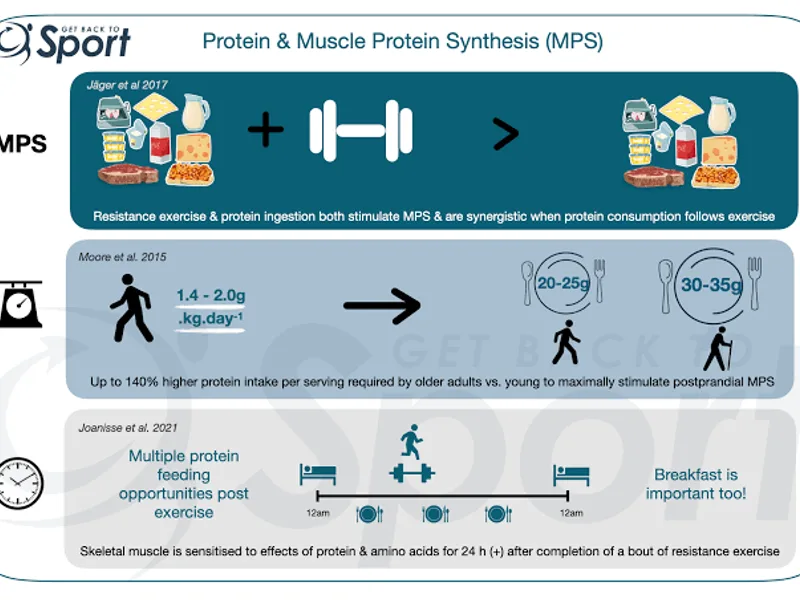
Research in exercising adults generally supports higher protein intake than the basic recommendation for sedentary adults. The International Society of Sports Nutrition says an overall intake of about 1.4–2.0 grams of protein per kilogram of body weight per day is sufficient for most exercising people.
For a broader explanation of protein requirements, see Doctar's guide on how much protein you actually need per day.
The exact number, however, is not a universal prescription. Age, training volume, body size, total calorie intake, dietary pattern and health conditions can all change the picture.
How much protein is useful for muscle building?
More protein is not automatically more muscle.
A major meta-analysis of resistance-training studies found that increases in muscle mass tended to level off at around 1.6 g/kg/day, although individual responses varied and the researchers did not suggest that this number should be treated as a hard biological ceiling.
That makes roughly 1.6 g/kg/day a useful evidence-based reference point for many people who regularly perform resistance training. Some people may benefit from a higher intake, particularly during periods of calorie restriction, but that is a different goal from simply gaining muscle.
Doctar's Muscle Building 101 guide also covers the relationship between nutrition, resistance training and recovery.
A simple example: someone weighing 70 kg who trains regularly might find the evidence-based range places their daily protein needs somewhere around 98–140 grams. That is an illustration, not a personal prescription.
Protein quality matters too
Protein is not just a number on a nutrition label.
Different foods provide different combinations of essential amino acids. Animal foods such as eggs, dairy, fish and meat generally provide complete proteins, while plant foods can also contribute substantially when a varied diet combines different protein sources.
For vegetarian readers, Doctar's guide to plant-based protein sources offers a useful starting point. Its more detailed guide on plant-based protein completeness explains why the quality and combination of plant proteins matter.
Indian diets already offer plenty of practical choices. Dal, chana, beans, milk, curd, paneer, eggs, fish and chicken can all contribute protein without making supplements the centre of the diet.
Doctar's list of 17 protein-rich foods for an Indian diet and its guide to high-protein vegetables provide additional food ideas.
Should protein be spread across the day?
Eating your entire day's protein in one enormous meal is probably not the most practical strategy for supporting repeated muscle-building signals.
Protein intake around resistance exercise can stimulate muscle protein synthesis, and exercise and protein work together to support this process.
That does not mean you need to obsess over a narrow post-workout "window." Total daily protein is the bigger piece of the puzzle. A protein-containing meal before or after training is reasonable, particularly when it fits comfortably into your normal eating pattern.
Doctar's Protein Power guide discusses protein timing and workout nutrition in more detail.
Food first, supplements when they are useful
A protein powder is a convenience food, not a requirement for muscle growth.
If someone struggles to get enough protein from ordinary meals, a supplement can make the diet easier to manage. Whey, casein, soy and some plant-based protein powders are commonly available.
Doctar explains how protein powder is made, including the differences between concentrates, isolates and other forms.
The key is not to let a shake replace a balanced diet. Carbohydrates, fats, fibre, vitamins and minerals still matter, particularly when training regularly.
For readers considering supplements, Doctar also discusses protein supplements and healthy ageing.
Training is the signal your muscles need
Protein cannot compensate for ineffective training.
Progressive resistance exercise is the stimulus that tells muscle tissue to adapt. That can involve gradually increasing resistance, repetitions, sets or training difficulty rather than simply eating more protein.
Doctar's guides to building muscle mass with full-body workouts and the 5x5 workout explain different approaches to strength training.
Readers interested in exercise programming can also explore free weights versus machines, understanding your 1-rep max and the conjugate method for strength training.
Not every person needs an advanced programme. For many beginners, consistent resistance training with good technique is enough to start making progress.
Recovery is part of muscle building
The workout is only one part of the process. Muscles also need time to recover and adapt.
Sleep, adequate energy intake and rest between demanding sessions all influence how well someone responds to training. Doctar's article on post-workout recovery explores the role of rest and nutrition.
Gentle movement can also be useful between harder sessions. See Doctar's guide to active recovery.
If training becomes excessive, more protein will not necessarily fix the problem. Doctar's discussion of doing pull-ups every day highlights why recovery deserves attention.
Other useful fitness resources include guides to slow-twitch muscle fibres, flexibility and the power clean.
What about protein during weight loss?
Muscle building becomes more complicated when someone is deliberately eating fewer calories.
During a calorie deficit, adequate protein and resistance training can help support lean mass, but there is no single protein target that works for everyone. The size of the calorie deficit, starting body composition and training status all matter.
Doctar's resources on calorie needs for weight management and calorie-deficit diets provide useful context.
For people who are trying to lose fat while maintaining muscle, protein should be considered alongside resistance training rather than used as a substitute for it. A persistent weight-loss plateau may also have several causes unrelated to protein.
When should you speak with a doctor or dietitian?
High-protein diets are not appropriate to approach casually when someone has a medical condition that affects nutrition or kidney function.
People with kidney disease, liver disease, significant digestive problems, unexplained weight loss or other chronic conditions should discuss major dietary changes with a doctor or registered dietitian. The right amount of protein can be very different when medical nutrition therapy is involved.
The same applies to older adults experiencing weakness or loss of muscle. Doctar's guide to protein for healthy ageing explains why maintaining muscle becomes increasingly important with age.
In clinical nutrition, one issue is often missed: people focus heavily on protein grams while overlooking whether they are actually eating enough total food, training consistently and recovering properly. Muscle building is a system, not a single nutrient.
Readers who need rehabilitation support can also explore Doctar's guide to at-home physical therapy.