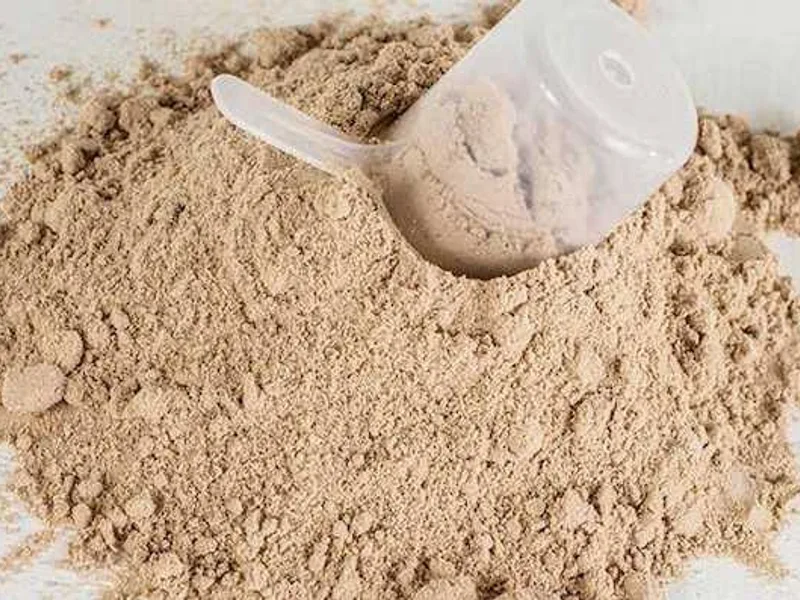
The Shake Nobody Questions
Protein powder has become so normal that people rarely stop to ask what it's actually doing inside them. It sits next to the coffee mug on kitchen counters everywhere, treated more like a pantry staple than a supplement. Fair enough, most people use it without issue.
But "most people" isn't "everyone," and that gap matters. A scoop of whey, casein, or plant protein is still a concentrated dose of something your digestive system and kidneys have to process. Worth a few minutes of honest thought before your next shake, isn't it?
Doctar's earlier review of Optimum Nutrition Gold Standard 100% Whey touched on some of this. This piece goes further into the side effects specifically.
Digestive Trouble Is the Most Common Complaint
Bloating and Gas
Whey protein, especially the concentrate form, contains lactose. If you're lactose intolerant, even partially, that scoop can trigger bloating, gas, or cramping within an hour or two. Isolate versions have less lactose and tend to sit better, but they're not lactose-free.
This overlaps with a broader pattern Doctar has covered before — the sour stomach discomfort many people feel after eating applies just as much to a protein shake as it does to a heavy meal. If shakes leave you uncomfortable an hour later, that's a real signal, not something to just push through.
Slower Digestion, Not Faster
A common myth is that protein shakes digest instantly. They don't. Large protein doses actually slow gastric emptying, meaning food sits in your stomach longer than you'd expect. Doctar's explainer on how long food stays in your stomach is a useful read if you've ever wondered why a post-workout shake leaves you feeling full for hours.
Constipation
Ironically, some people get the opposite problem. Low-fiber, high-protein diets without enough water or fiber-rich food can slow things down at the other end. Pairing shakes with fruit, vegetables, or whole grains tends to help, and it's a simple fix that gets overlooked constantly.
Kidney Concerns: Real, But Overstated for Most People
This is the one that scares people the most, and it deserves a fair, careful answer. In someone with healthy kidneys, normal protein powder use hasn't been shown to cause kidney damage. The research on this is fairly consistent.
The picture changes if you already have reduced kidney function, whether from diabetes, high blood pressure, or an existing kidney condition. In clinical practice, this is often missed because people assume a supplement is automatically gentler than food, when in fact a concentrated protein dose puts a similar load on the kidneys either way. If you have any known kidney issue, a conversation with a nephrologist before adding daily protein powder is a sensible, not excessive, step.
Routine bloodwork can also catch early kidney strain before it becomes symptomatic. Diagnostic centers can run basic kidney function panels if you're using protein powder heavily and want peace of mind.
Skin, Hormones, and a Few Underrated Side Effects
Acne and Breakouts
Whey protein has been linked to acne flare-ups in some people, likely tied to how it affects insulin and certain growth hormones in the skin. It's not universal, but if breakouts started around the same time you began a new protein powder, that's not a coincidence worth ignoring. A dermatologist can help sort out whether the supplement is the trigger or something else is going on.
Heavy Metals and Contaminants
Independent testing over the years has occasionally found trace heavy metals in some protein powder brands, usually within regulatory limits but not always. Third-party tested products, like the ones covered in Doctar's Transparent Labs review, tend to be a safer bet simply because the testing is public.
Interactions With Existing Conditions
People managing diabetes should be aware that some protein blends include added sugars or affect blood sugar response more than expected. An endocrinologist can advise on how protein timing fits into a diabetes management plan. And if you already deal with acid reflux, some shakes (especially dairy-based ones on an empty stomach) can worsen symptoms — Doctar's guide on what to drink and avoid with acid reflux covers similar territory and is worth a look.
Who Should Be More Cautious
Anyone with existing kidney or liver disease, anyone on a restricted-protein diet for medical reasons, and people who are pregnant or breastfeeding should check with a general physician before adding protein powder as a daily habit. This isn't about fear, it's about the fact that "supplement" doesn't mean "automatically fine for everyone."
Persistent digestive symptoms, unexplained fatigue, or swelling in the legs or face are worth getting checked by a gastroenterologist or your regular doctor rather than assuming it's just the shake. If symptoms are severe, don't wait — reach out to a nearby hospital directly.
Getting It Right Without Overthinking It
None of this means protein powder is dangerous for the average healthy adult. It means treating it like what it is: a concentrated food product, not a magic health drink. Reading labels, choosing tested brands, and pairing shakes with actual meals goes a long way.
A registered dietitian can help you figure out whether you even need supplemental protein or whether your diet already covers it — a surprising number of people don't need the extra scoop at all. If convenience is the barrier to seeing someone in person, a home visit doctor or a home nurse for basic monitoring can make that first conversation easier to schedule.
When you're ready to buy, it helps to compare products through honest reviews rather than marketing copy — Doctar's nutrition and supplements coverage is a decent place to start, and you can browse health and wellness products or order from a nearby pharmacy once you know what you're looking for. If you'd rather talk to someone first, search verified doctors near you, and if your questions are more general, you can read more about Doctar or get in touch directly. A quick check with a cardiologist is also worth considering if you're combining high-protein diets with intense cardio and have any history of heart issues, since the two together put extra demand on the body. It's a similar logic to the caution Doctar raised in its piece on energy drinks and digestion — concentrated products deserve a bit more attention than everyday food, and even fruit choices matter here, as Doctar's piece on fiber and digestion in fruit points out when it comes to balancing a high-protein diet with enough fiber.