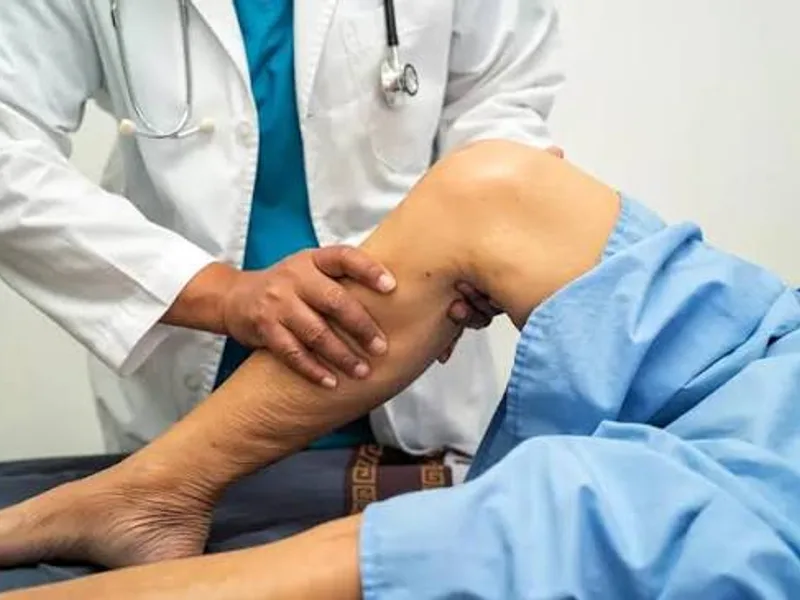
What is a rehabilitation doctor?
A rehabilitation doctor helps patients recover lost movement, strength and everyday function. The medical specialty is known as Physical Medicine and Rehabilitation (PM&R), and doctors working in this field are commonly called physiatrists.
The goal is not simply to reduce pain. A rehabilitation specialist looks at how an injury, illness or physical limitation is affecting a person's ability to walk, work, exercise, communicate or manage routine activities.
This can matter after an accident, surgery, stroke or serious illness. It can also help people living with longer-term problems involving the muscles, joints, bones or nervous system.
For patients in Asansol, DOCTAR currently lists Dr. Sajjan Singh Clinic in BNR as a physical medicine and rehabilitation practice. The clinic describes its focus as physical impairments, functional limitations and conditions involving the nerves, muscles and bones.
What does a rehabilitation doctor treat?
Rehabilitation medicine covers a broad range of conditions. A physiatrist may be involved when pain or physical disability is affecting normal movement and daily life.
Common problems can include:
Back and neck pain
Joint and muscle problems
Recovery after fractures or orthopedic surgery
Sports-related injuries
Nerve and muscle conditions
Weakness or difficulty walking
Recovery after stroke
Physical limitations following serious illness
Long-term pain and movement problems
The exact treatment depends on the cause of the problem. A doctor may recommend physical therapy, exercises, activity modification, assistive devices or other non-surgical approaches when appropriate.
In clinical practice, rehabilitation is sometimes overlooked because patients focus on the original injury or surgery and forget that regaining function is a separate part of recovery.
Rehabilitation doctor vs physiotherapist
The two roles are closely connected, but they are not the same.
A rehabilitation doctor is a medical doctor who assesses the overall condition, identifies medical causes of disability and develops a rehabilitation plan. A physiotherapist then provides hands-on therapy and exercises according to the patient's needs and treatment plan.
Think of it as a team rather than a competition. For example, a patient recovering from an orthopedic problem may need an orthopedic surgeon for the injury itself, a rehabilitation doctor for functional recovery and a physiotherapist for supervised movement training.
DOCTAR also has local listings for orthopedic care in Asansol, including orthopedists such as Dr. Arpan Upadhyay and Dr. Samiran Dey.
When should you see a rehabilitation doctor?
Persistent difficulty with movement is a good reason to ask whether rehabilitation medicine could help. This is particularly relevant when pain or weakness continues after the original medical problem has been treated.
You may consider a consultation if you are struggling to walk normally, have reduced joint movement, remain weak after an illness, or find that an injury is interfering with work and household activities.
People recovering from orthopedic procedures may also benefit from coordinated rehabilitation. For example, DOCTAR's Asansol listings cover orthopedic problems such as fractures, arthritis, sports injuries and joint degeneration.
However, not every physical complaint requires a rehabilitation specialist. A general physician, orthopedic surgeon, neurologist or another specialist may be more appropriate depending on the underlying problem.
Rehabilitation after surgery or injury
Surgery may repair a damaged structure, but recovery does not necessarily end when the operation is over.
Patients often need to rebuild strength, flexibility, balance and confidence in movement. Rehabilitation can therefore become an important part of recovery, especially after orthopedic injuries and operations.
The pace varies considerably. Age, the type of injury, general health, pain, strength and the procedure performed can all affect recovery.
Patients should follow the plan provided by their treating medical team rather than copying exercises from someone else's rehabilitation programme.
Rehabilitation after neurological problems
Rehabilitation is also important for conditions involving the brain, spinal cord or nerves.
After a stroke, for example, a person may have difficulty walking, using an arm, maintaining balance or performing everyday tasks. Rehabilitation focuses on helping the person regain as much safe and practical independence as possible.
Neurological care and rehabilitation may overlap, but they have different roles. DOCTAR's Asansol listings include neurologists who manage neurological conditions, while rehabilitation services focus on restoring function after physical limitations.
What happens during a rehabilitation consultation?
A first appointment usually begins with a detailed discussion of the patient's medical history and current difficulties.
The doctor may assess movement, strength, balance, walking ability, joint function and how the condition affects everyday activities. Previous scans, reports and treatment records can be useful during this assessment.
The rehabilitation plan is then tailored to the individual's needs. It may involve physiotherapy, home exercises, mobility aids, changes to daily activities or referral to another specialist.
The aim is practical: helping the patient function better and participate more safely in normal activities.
How to choose rehabilitation care in Asansol
Location is useful, but it should not be the only factor. Patients should check the doctor's medical qualification, specialty, experience with their particular problem and the type of rehabilitation support available.
It is also sensible to ask who will supervise physiotherapy, whether follow-up appointments are available and whether additional specialist care can be arranged if needed.
DOCTAR's local listings can help patients explore different medical specialties and compare available doctors in Asansol. For example, the platform lists orthopedic, neurological and rehabilitation-related care in the city.
Frequently Asked Questions
Is a rehabilitation doctor the same as an orthopedic doctor?
No. An orthopedic doctor treats conditions affecting bones, joints, muscles and related structures, including injuries that may require surgery. A rehabilitation doctor focuses more broadly on restoring physical function and independence, often through non-surgical care.
Can a rehabilitation doctor help with back pain?
A rehabilitation specialist may evaluate persistent back pain and develop a non-surgical treatment plan when appropriate. The cause of back pain matters, so patients should be medically assessed rather than assuming rehabilitation is suitable for every case.
Do rehabilitation doctors work with physiotherapists?
Yes. Rehabilitation doctors and physiotherapists commonly work together. The doctor assesses the patient's medical and functional needs, while the physiotherapist delivers appropriate physical therapy and movement-based treatment.
Is rehabilitation needed after orthopedic surgery?
It may be. Recovery after surgery often involves rebuilding strength and movement, but the exact rehabilitation programme depends on the operation, the patient's condition and the surgeon's advice.
Can rehabilitation help after a stroke?
Rehabilitation is an important part of recovery for many stroke survivors. Treatment may focus on movement, balance, strength and everyday independence, depending on the person's remaining difficulties.