What is a semen analysis?
A semen analysis examines a semen sample in a laboratory to assess sperm production and several features of the semen.
It is commonly used when a couple is having difficulty conceiving, but it may also be recommended after certain testicular conditions, surgery, infections or treatments that can affect fertility.
Semen and sperm are not the same thing. Semen is the fluid that carries sperm, while sperm are the reproductive cells within that fluid. Doctar's guide to semen vs sperm explains this distinction in more detail.
What does a semen analysis measure?
A standard semen analysis can assess several different characteristics.
1. Semen volume
Volume measures how much semen is produced in the sample.
A low volume can sometimes occur because of incomplete collection, a short period since the previous ejaculation, dehydration or problems affecting semen production or transport. It can also occur with retrograde ejaculation, where semen travels backward into the bladder.
Volume should never be interpreted on its own.
2. Sperm concentration
Sperm concentration describes how many sperm are present in a specific amount of semen, usually reported as sperm per millilitre.
A lower concentration is commonly called oligozoospermia or low sperm count.
But concentration is only one measurement. A man may have a reasonable concentration but poor sperm movement, for example.
Doctar's information on low sperm count causes covers conditions that can contribute to reduced sperm production.
3. Total sperm number
The laboratory can also calculate the total number of sperm in the entire ejaculate.
This differs from concentration. Two men could have the same sperm concentration but different total sperm numbers if their semen volumes are different.
Looking at both measurements gives a more complete picture of sperm production.
4. Sperm motility
Motility describes how sperm move.
This matters because sperm need to move effectively through the female reproductive tract to reach an egg.
Laboratories may distinguish between sperm that move progressively, sperm that move without progressing effectively and sperm that do not move.
A semen report therefore should not be judged by sperm count alone.
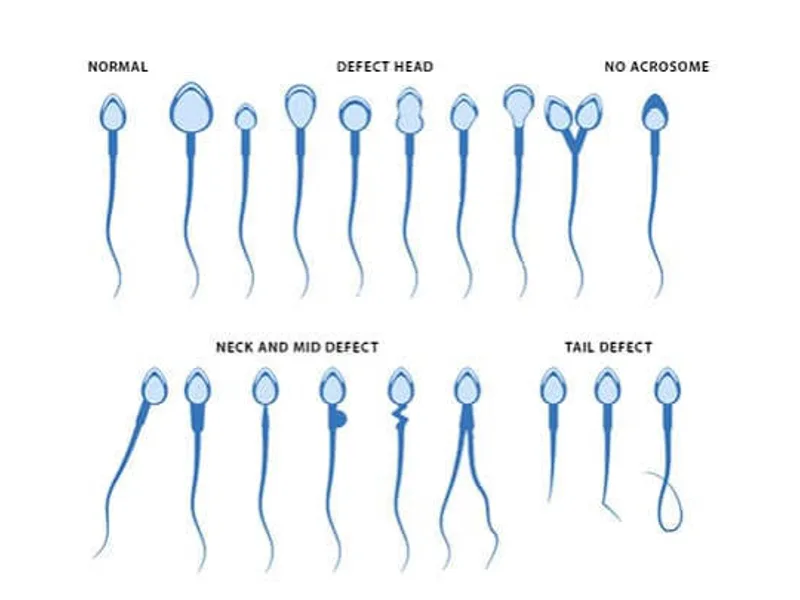
5. Sperm morphology
Morphology refers to the size and shape of sperm.
A laboratory examines sperm under a microscope and assesses whether their structure falls within established criteria.
An abnormal morphology result does not mean that every sperm is abnormal or that natural conception is impossible. Semen analysis results need to be interpreted together.
Doctar's sperm quality improvement guide discusses sperm count, movement and other aspects of sperm health.
What else may be measured?
Depending on the laboratory and clinical situation, a semen report may include additional observations.
These can include:
semen appearance
pH
liquefaction
viscosity
presence of white blood cells
presence of red blood cells
sperm aggregation or agglutination
other microscopic findings
Not every test includes every measurement.
Additional testing may be requested when the initial semen analysis suggests a specific problem.
What does pH tell you?
Semen pH provides information about the chemical environment of the sample.
Semen normally contains fluids from several reproductive glands, including the seminal vesicles and prostate. Changes in pH can sometimes provide clues about problems involving these glands or obstruction of the reproductive tract.
A slightly unusual pH by itself does not establish a diagnosis.
What is liquefaction?
Fresh semen is usually relatively thick after ejaculation and gradually becomes more fluid.
This process is called liquefaction.
The laboratory can record whether the sample liquefies appropriately and how long this takes. Abnormal liquefaction can sometimes be associated with problems involving the prostate or seminal vesicles, although it must be interpreted alongside other findings.
Can a semen analysis detect infection?
Sometimes it can provide clues.
For example, the laboratory may report an increased number of white blood cells, which can be associated with inflammation or infection.
However, a semen analysis is not a complete test for sexually transmitted infections. If an infection is suspected, specific testing may be needed.
Does a semen analysis measure fertility directly?
No.
This is an important distinction.
A semen analysis evaluates sperm and semen characteristics that are associated with fertility. It does not give a simple percentage showing whether a man is fertile or infertile.
A man with an abnormal semen analysis may still father a child, while fertility problems can sometimes occur despite semen parameters being within laboratory reference ranges.
The AUA/ASRM male infertility guideline recommends that clinicians consider the results of the semen analysis together with the man's medical history, physical examination and the couple's reproductive circumstances.
Why might the test need to be repeated?
Semen parameters can vary considerably between samples.
Illness, fever, changes in lifestyle, medications, abstinence time and problems collecting the sample can all affect results.
For that reason, an abnormal first test does not necessarily provide the final answer. Doctors may recommend another sample before making important decisions.
This is particularly relevant when a man sees one abnormal number and immediately assumes he is infertile.
In clinical practice, the biggest misunderstanding is treating a semen report like a pass-or-fail exam. It isn't. The pattern of results matters, and sometimes the next step is simply to repeat the analysis under appropriate conditions.
How should you prepare for a semen analysis?
The laboratory or fertility clinic should provide specific collection instructions.
These commonly include a defined period of sexual abstinence before providing the sample. The exact period should follow the laboratory's instructions because different circumstances may require different recommendations.
The entire sample is generally important. If part of the ejaculate is missed during collection, the reported volume and sperm numbers may not accurately represent the full ejaculate.
If the sample is collected outside the laboratory, follow the clinic's instructions about transportation and timing.
What can cause an abnormal semen analysis?
There are many possibilities.
Varicocele, hormonal disorders, infections, genetic conditions, testicular injury, previous surgery, certain medicines, cancer treatment, obesity, smoking, heavy alcohol use and anabolic steroid or testosterone use can all affect sperm production or function.
Doctar's article on male infertility causes provides a broader overview.
A history of varicocele symptoms and treatment may also be relevant when semen parameters are abnormal.
What if the sperm count is low?
A low sperm concentration does not automatically mean there is no chance of conception.
The next step depends on how low the count is and whether motility, morphology or other findings are also abnormal.
A doctor may recommend repeating the semen analysis and, depending on the results, examining the testicles, checking hormone levels or investigating conditions such as varicocele.
Doctar's low sperm count causes guide explains some of these possible causes.
What if sperm are not moving properly?
Poor sperm movement is called asthenozoospermia.
Reduced motility can make it harder for sperm to reach and fertilise an egg. Causes can include testicular problems, infections, varicocele, lifestyle factors and some medical treatments.
A poor motility result should be assessed in the context of the total sperm number and morphology rather than considered in isolation.
What if sperm morphology is abnormal?
Abnormal sperm morphology is common to some degree, even in fertile men.
A morphology result needs careful interpretation because laboratory methods and reference criteria matter. A low percentage of normally shaped sperm does not automatically mean natural conception cannot occur.
The broader semen profile and the couple's fertility history are more informative than one isolated percentage.
When should a man get a semen analysis?
A semen analysis is commonly part of the evaluation when a couple has been trying to conceive without success.
WHO defines infertility as failure to achieve pregnancy after 12 months or more of regular unprotected sexual intercourse, although earlier assessment can be appropriate when there are known risk factors.
Earlier evaluation may make sense if a man has:
a history of testicular injury or surgery
varicocele
previous chemotherapy or radiation
undescended testicles
erectile or ejaculation problems
previous infertility
testosterone or anabolic-steroid use
A qualified urologist, andrologist or fertility specialist can decide which tests are appropriate.
Can lifestyle improve semen parameters?
Lifestyle can matter, particularly when smoking, heavy alcohol use, obesity, poor diet or anabolic-steroid use are contributing factors.
Regular physical activity, a balanced diet, healthy weight management, avoiding tobacco and addressing excessive alcohol use can support overall reproductive health.
Doctar's sperm quality improvement tips covers these practical measures in greater detail.
However, lifestyle changes cannot correct every cause of male infertility. A varicocele, hormonal disorder or genetic condition may require specific medical assessment.
What about testosterone and fertility?
Men trying to conceive should be particularly careful about testosterone treatment.
External testosterone can suppress the hormonal signals that stimulate sperm production. This means TRT can actually reduce sperm production even though blood testosterone levels rise.
Doctar's information on testosterone and men's health and TRT side effects and risks explains this issue further.
If fertility is a priority, discuss testosterone treatment with a qualified doctor before starting or changing therapy.