Sepsis becomes more dangerous with age
Sepsis is not simply a severe infection. It is the body's extreme response to an infection, and that response can damage tissues and cause organs to stop working properly. The lungs, kidneys, heart, brain and other organs may be affected. The CDC describes sepsis as a life-threatening medical emergency that requires rapid treatment.
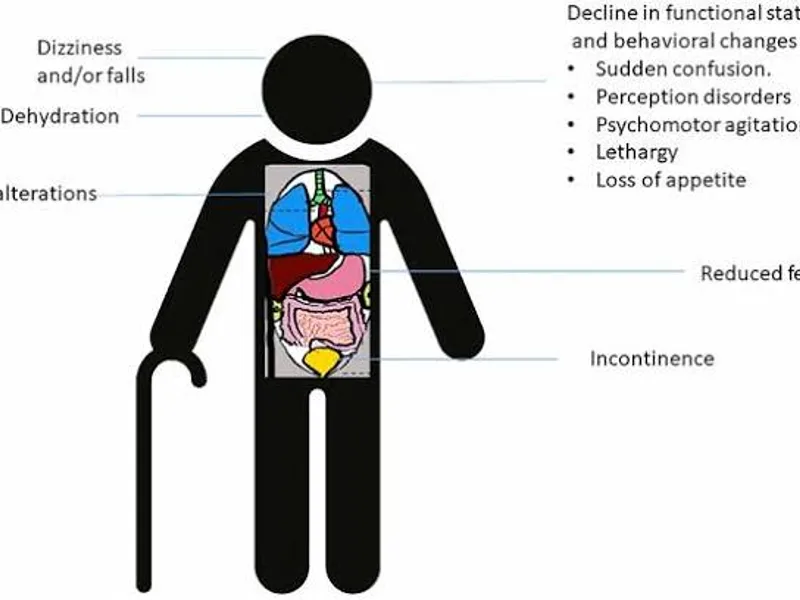
For older adults, the danger is often harder to recognize at the beginning. A senior may not develop a high fever or the dramatic symptoms people commonly associate with infection. New confusion, unusual sleepiness, weakness, fast breathing or a sudden decline in daily function can sometimes be more revealing.
Find a general physician near you when an older person develops unexplained or worsening symptoms. Doctar's general physician service covers common infections and other acute illnesses.
What is the sepsis mortality risk in an elderly ICU patient?
There is no single mortality percentage that applies to every elderly person with sepsis. Outcomes vary widely according to the infection, severity of illness, organ failure, frailty, underlying diseases and response to treatment.
Research does, however, show a clear age-related pattern. In a large multicentre study of critically ill patients with sepsis, people aged 80 and older had higher ICU mortality than those aged 65–79. After adjustment for other factors, very old age remained associated with higher odds of ICU death.
Another international study involving critically ill patients with intra-abdominal infection found mortality increased across age groups, reaching 44.7% among patients aged 80 or older. That study involved a specific type of infection, so its figure should not be used as the expected mortality rate for all elderly ICU patients with sepsis.
Older Indian research has also reported substantially higher ICU mortality among very elderly patients with severe sepsis or septic shock. However, older studies reflect earlier treatment practices and should not be treated as a current universal mortality estimate.
For families, the more useful question is often not simply, “What is the percentage?” It is, “How severe is the illness, how many organs are affected, and is the patient responding to treatment?”
Why are elderly patients at higher risk?
Less physiological reserve
Aging reduces the body's reserve. An older heart, lung or kidney may have less capacity to compensate when severe infection places sudden stress on the body.
Frailty can make this even more significant. A person who was already weak, losing weight or dependent on help for daily activities may have a harder recovery from prolonged ICU treatment.
Multiple medical conditions
Older adults are more likely to have conditions such as heart disease, diabetes, chronic kidney disease or lung disease. These illnesses can make sepsis harder to manage and may limit how well an organ can tolerate additional stress.
A cardiologist in Kolkata may be involved when heart disease complicates an elderly patient's overall condition. Similarly, kidney complications may require specialist input from a nephrologist.
Symptoms can be subtle
This is one of the biggest clinical challenges. In clinical practice, sepsis in an older person is sometimes missed because the presentation can look like ordinary weakness, dehydration, a fall or sudden confusion rather than a classic infection.
The CDC lists confusion or disorientation, clammy skin, extreme pain, fever or chills and other changes among possible warning signs.
If breathing problems are prominent, a pulmonologist may be involved in assessment and respiratory management.
What happens when an elderly patient reaches the ICU?
The ICU allows continuous monitoring and organ support when the illness becomes severe. Doctors may track blood pressure, oxygen levels, urine output, blood tests and other indicators of organ function.
The 2026 Surviving Sepsis Campaign guidelines describe sepsis and septic shock as medical emergencies and recommend immediate treatment and resuscitation. They also emphasize obtaining blood cultures promptly, measuring blood lactate when appropriate, giving antimicrobial treatment rapidly when sepsis or septic shock is likely, and repeatedly reassessing the patient.
Treatment depends on the individual situation. It may include antibiotics, intravenous fluids, medicines to support blood pressure, oxygen therapy or mechanical ventilation, and kidney support when necessary. The underlying source of infection also needs to be identified and controlled.
An elderly patient with urinary infection, for example, may need evaluation by a urologist, while abdominal infection may require surgical assessment.
Which factors influence survival?
Age matters, but it is only one piece of the picture.
Doctors generally consider:
Severity of sepsis or septic shock
Number and type of organs affected
Blood pressure and circulation
Breathing and oxygen requirements
Kidney function and urine output
Frailty and nutritional status
Existing heart, lung, kidney or neurological disease
Source and location of infection
Response to early treatment
Need for mechanical ventilation or other organ support
The patient's baseline independence and goals of care
This is why two people aged 85 can have very different outcomes. One may recover after a short ICU stay, while another with severe frailty and multiple organ failures may face a much more difficult course.
For complex cases, families may need coordinated care involving internal medicine specialists, cardiologists, nephrologists, neurologists and other specialists.
What complications can develop?
Sepsis can progress to septic shock, a state in which circulation becomes severely impaired. It can also cause acute kidney injury, respiratory failure, heart problems, altered consciousness and problems with blood clotting.
Some patients require prolonged ICU treatment. Recovery may continue long after the infection has been controlled.
The Surviving Sepsis Campaign recommends follow-up for physical, cognitive and emotional problems after hospital discharge. Patients who have spent a long time in the ICU may also need rehabilitation.
Families looking for rehabilitation support can explore physiotherapists and other healthcare professionals listed by Doctar.
Does ICU treatment always improve the outlook?
ICU care can provide life-saving treatment, but it cannot guarantee survival. In very elderly patients, the discussion should include both the chance of surviving the immediate illness and what recovery might look like afterward.
The 2026 sepsis guidelines emphasize reassessment and individualized treatment. They also recommend early discussions about goals of care and prognosis with patients and families.
That conversation is not the same as giving up. It is about understanding what the patient would want if prolonged ventilation, dialysis or other intensive treatments become necessary.
For families comparing facilities, Doctar provides a searchable directory of hospitals in India, including hospitals with emergency and critical-care services.
What should families ask the ICU team?
When a loved one is critically ill, medical language can become overwhelming. A few direct questions can make the situation clearer:
What is the suspected source of the infection?
Which organs are currently affected?
Is the patient in septic shock?
Is the patient responding to treatment?
Does the patient need a ventilator or kidney support?
What are the major risks over the next 24–48 hours?
What would recovery realistically look like if the patient survives?
What were the patient's wishes about intensive treatment?
If additional specialist opinions are needed, Doctar's specialist doctor directory includes cardiology, neurology, pulmonology, nephrology, urology, general medicine and other specialties.
Recovery does not end when sepsis ends
Survival from the ICU is only one milestone. Older adults may experience weakness, difficulty walking, poor appetite, sleep problems or changes in memory and concentration after severe illness.
A structured rehabilitation plan can help, depending on the patient's condition. Nutrition, mobility, medication review and follow-up for new health problems may all become part of recovery.
Families can also read Doctar's guidance on essential health tests for seniors as part of broader preventive care.
For older adults with neurological symptoms after critical illness, a neurologist may be appropriate when recommended by the treating team.
Likewise, patients with significant respiratory problems may benefit from follow-up with a pulmonologist, while digestive or abdominal complications may require a gastroenterologist.