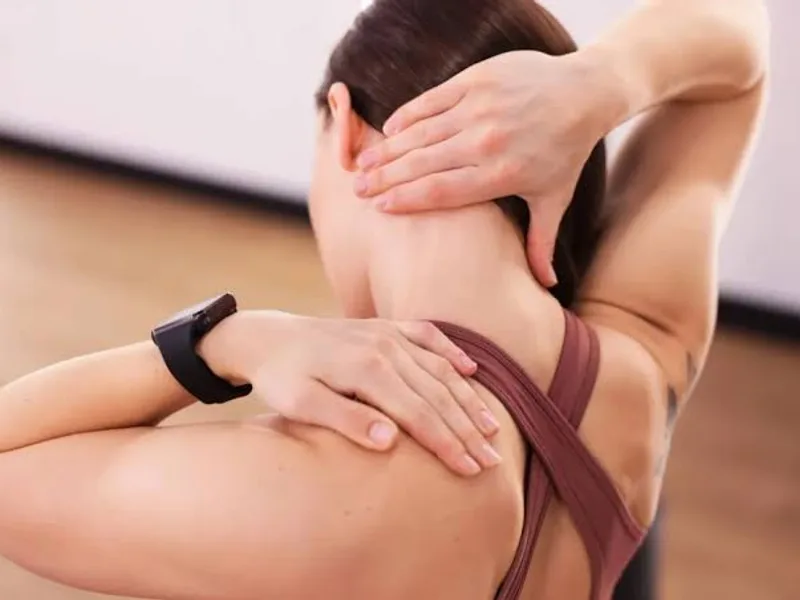
That nagging pinch in your shoulder when you raise your arm overhead? It's not just "tightness." For a lot of people who lift weights regularly, it's the first sign of shoulder impingement — and ignoring it usually makes things worse, not better.
Shoulder impingement happens when tendons or a small fluid-filled cushion called the bursa get squeezed between the bones of the shoulder. It's one of the most common shoulder complaints seen in gyms, and honestly, it's often misunderstood. People assume it's a "rotator cuff tear" right away. Most of the time, it isn't.
What Is Shoulder Impingement, Really?
The shoulder is a shallow ball-and-socket joint held together mostly by muscles and tendons, not bone. That's great for range of motion. It's not so great for stability under heavy load.
When you raise your arm, a small space at the top of the shoulder — under a bony arch called the acromion — has to stay open enough for the rotator cuff tendons to glide through. If that space narrows, from swelling, poor posture, or repeated overhead strain, the tendons get pinched with every rep. Over time, that pinching causes inflammation, and inflammation causes pain.
If shoulder pain during pressing or overhead work is new for you, an orthopedist near you can confirm whether it's impingement or something else, like a labral issue or early rotator cuff wear.
How Lifting Actually Causes It
Lifting itself isn't the villain here. The problem is usually one of three things: too much volume too soon, poor shoulder mechanics, or a strength imbalance between the front and back of the shoulder.
Bench pressing heavy without training your upper back is a classic setup for impingement. So is going straight into overhead presses without warming up the rotator cuff. Bad form on a lat pulldown or an ambitious kipping pull-up can do the same damage over a few months.
In clinical practice, this is often missed because the pain doesn't show up on day one. It creeps in gradually, usually after a jump in training load, and people keep pushing through it because it "only hurts sometimes." That delay is exactly why mild impingement so often turns into something more stubborn.
Warning Signs to Watch in the Gym
Not every shoulder ache is impingement. But a few patterns are worth paying attention to.
Pain that shows up specifically when your arm is between 60 and 120 degrees from your side — the so-called "painful arc" — is a strong clue. So is pain that gets worse at night, especially if you sleep on that side. If overhead pressing or lateral raises consistently trigger a sharp pinch rather than a dull ache, that's another sign worth noting.
None of this replaces an actual exam. If the pain lasts more than a couple of weeks despite rest, it's reasonable to book a consultation with a general physician first, who can refer you onward if needed.
When to See a Doctor
Ask yourself honestly: has the pain changed how you move your arm during normal daily tasks, not just in the gym? That's usually the line between "manage it yourself" and "get it checked."
You should see a doctor if the pain doesn't improve after a week or two of rest and modified training, if you notice weakness lifting your arm, or if there's numbness or tingling down the arm. Sudden, severe pain after a specific lifting incident deserves prompt attention too, since it could point to a partial tear rather than simple impingement.
A quick way to start is searching doctors near you or checking a surgeon near you if imaging suggests a structural issue. For most people, though, it doesn't come to that.
If mobility is limited and getting to a clinic is hard, a home visit doctor can do an initial assessment, and follow-up scans can often be arranged through a diagnostic center near you.
Treatment: What Usually Helps
This is general education, not a prescription — treatment should be tailored by a professional who has actually examined your shoulder. But broadly, most cases of impingement respond well to a conservative approach.
Relative rest comes first. That doesn't mean stopping all activity; it means dropping the movements that provoke pain — usually overhead pressing and heavy bench work — while keeping the rest of your training going. Ice and anti-inflammatory measures can help with the acute discomfort, though any medication should be discussed with a doctor rather than self-dosed.
Physiotherapy tends to make the real difference. A structured program that strengthens the rotator cuff and scapular stabilizers, while stretching tight structures like the pec minor, addresses the actual mechanical cause rather than just masking the pain. A physiotherapist near you can build a plan specific to your shoulder and your sport.
In persistent cases that don't respond to a few months of conservative care, doctors sometimes consider a corticosteroid injection or, rarely, surgery. That decision belongs to a specialist, not a blog post — if you're at that stage, a hospital near you with an orthopedic department is the right next step.
Getting Back to Lifting Safely
Coming back too fast is how a mild case turns chronic. Once pain settles, reintroduce overhead and pressing movements gradually, starting with lighter loads and higher reps before chasing heavier weights again.
Pay attention to your warm-up. A few minutes of band pull-aparts, external rotations, and scapular activation before pressing work isn't glamorous, but it genuinely reduces the odds of a repeat episode. If your job or lifestyle involves repetitive overhead reaching outside the gym, that matters too — it's not just about training.
For ongoing support, some people also explore complementary approaches like Ayurveda alongside conventional treatment, though this should run parallel to, not instead of, medical advice.