Most people in Bihar have never heard of sickle cell screening. Ask around, and you'll get blank looks even from otherwise health-conscious families. That's a problem, because Bihar is officially one of the 17 high-focus states under India's National Sickle Cell Anaemia Elimination Mission, and the disease it screens for can be silent for years before it causes real damage.
Let's slow down and unpack what that actually means for someone reading this in Patna, Gaya, or a smaller district town.
What Sickle Cell Disease Actually Is
Sickle cell disease is not an infection and you can't catch it from anyone. It's genetic, meaning it's passed down from parents to children through genes, specifically a change in the gene that makes haemoglobin, the protein in red blood cells that carries oxygen around the body.
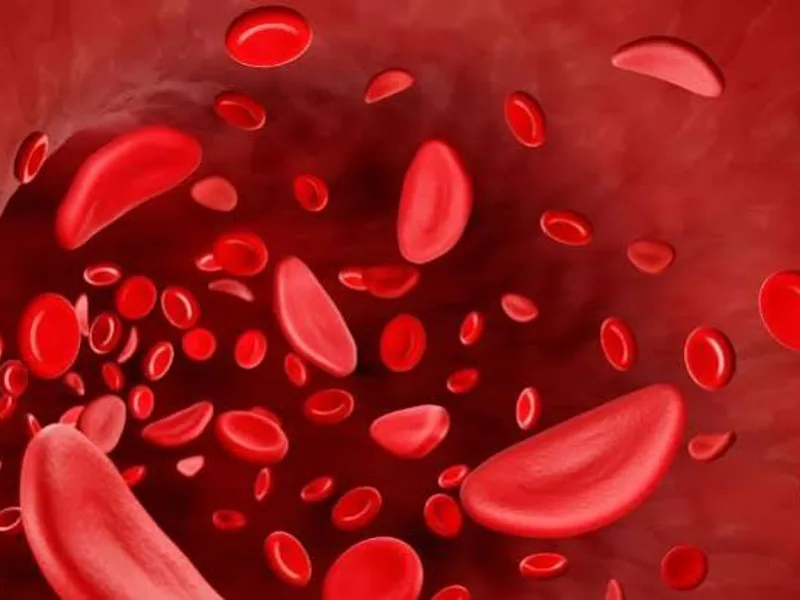
In a healthy person, red blood cells are round and flexible, like tiny discs that slip easily through blood vessels. In someone with sickle cell disease, some of these cells turn rigid and curved, shaped like a sickle or a crescent moon. These misshapen cells can get stuck in small blood vessels, blocking blood flow and causing sudden, often severe pain episodes doctors call pain crises.
Over time, untreated sickle cell disease can damage organs, increase infection risk, and shorten life expectancy. None of that is inevitable, though. Early detection changes the picture considerably.
The Difference Between Having the Disease and Carrying the Trait
This is the part that trips up most people, and honestly, I don't blame them. It's genuinely confusing on first hearing.
If you inherit the sickle cell gene from only one parent, you have what's called sickle cell trait. You're a carrier. You don't usually have symptoms and you can live a completely normal life without ever knowing, unless you get tested.
If you inherit the gene from both parents, you have sickle cell disease itself, the more serious condition with actual symptoms and health risks.
Here's why this distinction matters so much for screening: two carrier parents, each with sickle cell trait and no symptoms themselves, have a one-in-four chance with each pregnancy of having a child with full sickle cell disease. Most carrier couples in Bihar have no idea this risk exists, simply because nobody has ever tested them.
Why Bihar Is Part of This Mission
Sickle cell disease is usually associated with tribal belts in central India like Madhya Pradesh, Chhattisgarh, and Odisha, and the prevalence data backs that up. But the gene shows up in scheduled tribes, scheduled castes, and other backward class communities across several states, and historical research has traced sickle haemoglobin among migrant tribal labourers originally from Bihar and Odisha as far back as the 1950s.
That history is part of why Bihar was named among the mission's 17 focus states when it launched in July 2023, alongside states like Jharkhand, West Bengal, and Uttar Pradesh. The national target was ambitious: screen roughly 7 crore people aged 0 to 40 across these states by the 2025-26 financial year, using either a simple solubility test or point-of-care devices for faster, on-the-spot results.
By July 2025, national reporting put the mission's cumulative screening figure at around six crore people, with roughly 2.15 lakh people confirmed to have the disease and over 16 lakh identified as carriers. I want to be upfront that I could not find a separately verified, Bihar-specific breakdown of these numbers in current reporting, so I won't guess at a district-wise figure for Bihar. What is confirmed is that Bihar remains one of the mission's designated states, and government messaging around June 19, this year's International Sickle Cell Day, reaffirmed the national commitment to eliminating the disease by 2047.
In Clinical Practice, This Is What Often Gets Missed
Doctors who work in general medicine or family practice in Bihar sometimes miss sickle cell trait in adults because it rarely announces itself. A person can go their whole life without a single pain crisis and still be a carrier. It tends to surface only when a couple planning a pregnancy gets tested, or when a child is born with unexplained anaemia and repeated infections that don't quite fit the usual picture.
That's exactly why premarital and pre-pregnancy screening matters more than most people realise. It isn't about diagnosing sick people. It's about giving healthy people information they'd otherwise never have.
Who Should Prioritise Getting Screened
Anyone from a scheduled tribe, scheduled caste, or other backward class background, where prevalence is historically higher
Couples planning marriage or a pregnancy, especially if either partner has a family history of unexplained anaemia
Children with recurring unexplained fevers, bone or joint pain, or anaemia that doesn't improve with iron supplements
Anyone with a sibling, parent, or close relative already diagnosed with sickle cell disease or trait
Newborns, where early screening allows preventive care to start before complications appear
If any of this sounds like your family, don't try to self-diagnose from a checklist. A pathologist or diagnostic centre can run the actual blood test, and a general physician can guide you on next steps if results come back positive.
What a Positive Result Actually Means
A positive screening result is not a medical emergency and it doesn't mean anyone did anything wrong. It's information.
If you're found to be a carrier, genetic counselling can help you understand your options before starting a family. If a child is diagnosed with the disease itself, early management, folic acid supplementation, infection prevention, and regular monitoring, genuinely changes outcomes. This is general education, though, not a treatment plan. Only a doctor examining the specific case can advise on management.
Where to Get Tested in Bihar
Government-run screening happens through primary health centres, district hospitals, and Anganwadi and ASHA worker outreach as part of the national mission, and it's meant to be free or low-cost for eligible groups. If you'd rather go through a private route, or want a faster turnaround, a diagnostic lab near you can usually run a haemoglobin electrophoresis or solubility test within a day or two. For families weighing genetic counselling before marriage or pregnancy, it's worth starting with a gynaecologist or a general physician who can refer you further if needed.