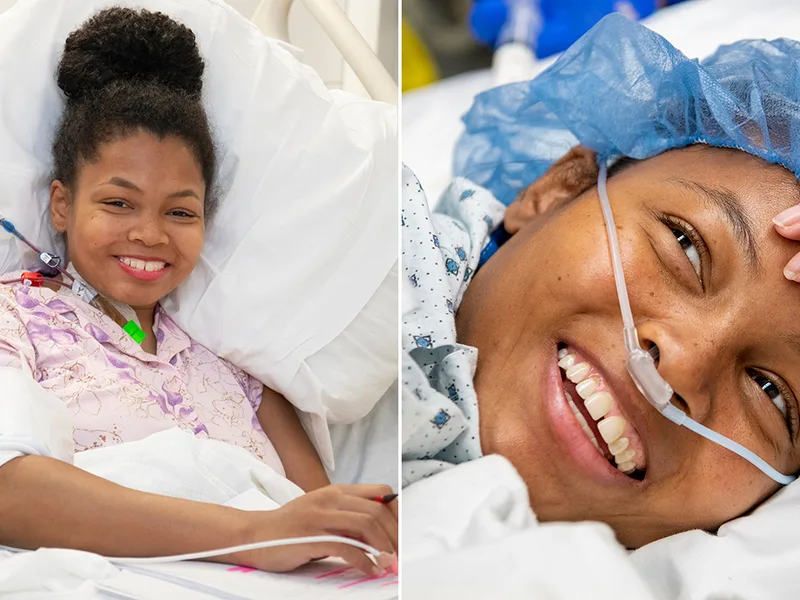
Sickle cell disease is an inherited blood disorder. It changes the shape of red blood cells from a soft disc into a stiff, curved "sickle" — hence the name. Those misshapen cells get stuck in small blood vessels, which causes sudden, severe pain episodes doctors call "crises," along with organ damage over time.
It's a genetic condition, meaning a child inherits it from both parents carrying the sickle cell trait. In India, it's especially common among tribal communities in states like Madhya Pradesh, Chhattisgarh, Odisha and Maharashtra — a fact that doesn't get nearly enough attention in national health coverage.
For decades, treatment meant managing symptoms: pain medication, blood transfusions, a drug called hydroxyurea. A bone marrow transplant could cure it, but only if you had a matched donor, usually a sibling. Most patients never had that option.
The Gene Therapy Breakthrough: Casgevy and Lyfgenia
That changed in December 2023, when the FDA approved two gene therapies for sickle cell disease — Casgevy (exa-cel, made by Vertex and CRISPR Therapeutics) and Lyfgenia (lovo-cel, from bluebird bio). Both are one-time treatments built from the patient's own cells.
Casgevy uses CRISPR gene editing to switch on fetal hemoglobin, a type of hemoglobin the body normally stops producing after infancy. Fetal hemoglobin doesn't sickle, so making more of it effectively works around the faulty gene rather than fixing it directly. Lyfgenia takes a different route, using a modified virus to insert a corrected version of the hemoglobin gene into the patient's stem cells.
Here's the part that surprises people: neither is a simple injection. Patients undergo chemotherapy first to clear out their existing bone marrow, then receive their own modified cells back through a transplant-like procedure. It's a rough few weeks. Worth it for many, but not something to walk into lightly.
What's New in 2026: The RUBY Trial and Real-World Follow-Up
This year brought some of the strongest data yet. A multicenter study known as the RUBY Trial, published in the New England Journal of Medicine, used CRISPR-Cas12a editing on a different genetic target and reported that 27 of 28 treated patients had no painful sickle cell crises during follow-up. Researchers are calling it a "functional cure," though I'd push back gently on that phrase — durability beyond a few years is still being tracked.
There's also been meaningful real-world follow-up on the already-approved therapies. Earlier this month, a young man in the US who received Lyfgenia after two decades of living with sickle cell disease reported that his body was nearly free of sickle cells. Stories like this matter because trial data only tells you so much; watching someone actually get their life back tells you more.
In clinical practice, this is often the detail families miss: gene therapy eligibility usually requires a history of frequent, severe crises. It's not offered as a first-line option for milder cases, and centers screen candidates carefully because of the intensity of the conditioning chemotherapy involved.
Why Access Is Still the Bottleneck
Here's the uncomfortable truth nobody wants to lead with: the science has outrun affordability. Gene therapy for sickle cell disease costs in the range of millions of dollars per patient in the US. In January 2025, the US Centers for Medicare and Medicaid Services launched an outcomes-based reimbursement model to improve access, but coverage still varies widely by state and insurer.
In India, these therapies aren't yet part of routine care, and the infrastructure needed — specialized transplant centers, genetic testing labs, long hospital stays — simply isn't available everywhere sickle cell disease is common. That's a genuine equity problem, not a minor footnote. The population most affected by the disease is often the population least likely to reach a center offering the cure.
What This Means If Sickle Cell Disease Runs in Your Family
Should you get excited about this news? Cautiously, yes. Should you expect your local clinic to offer Casgevy next month? No, not realistically, at least not in most of India right now.
What you can do today is get a proper diagnosis and genetic understanding of your risk. If you or your partner carry the sickle cell trait, a conversation with a gynecologist before or during pregnancy is worth having, alongside genetic counseling. If a child is showing signs of anemia, unexplained pain episodes, or fatigue, start with a pediatrician rather than waiting it out.
Adults managing existing sickle cell disease should be under the regular care of a hematologist, not just a general physician, since crisis management and long-term organ monitoring need specialist judgment. Organ complications from SCD can affect the kidneys, lungs and heart, so a cardiologist or pulmonologist may eventually join the care team too.