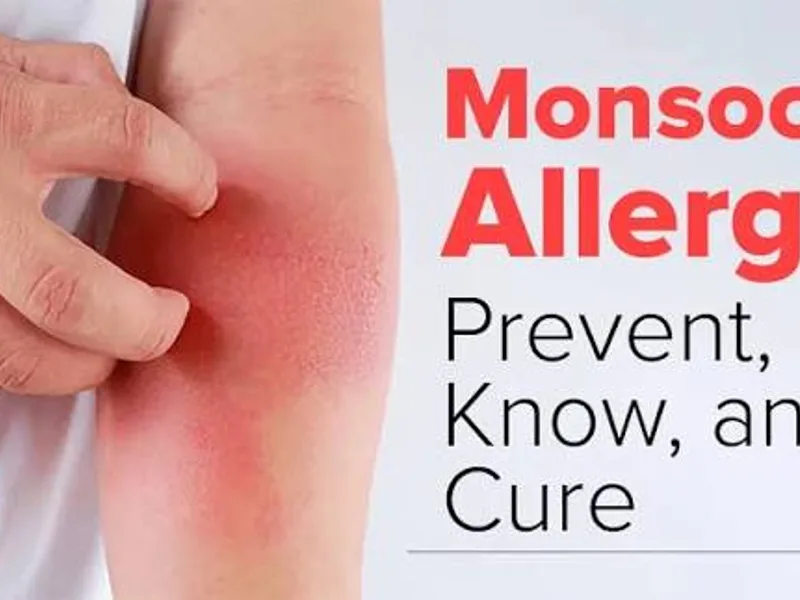
Why monsoon weather can upset the skin
The rainy season changes more than the weather outside. Humidity keeps skin damp for longer, sweating increases, clothes may stay wet, and poorly ventilated rooms can develop mould. These conditions can irritate already-sensitive skin and create an environment where some infections thrive.
A rash that appears during the monsoon is not automatically a skin allergy. A fungal infection, eczema flare, heat rash or reaction to a soap or detergent can produce similar redness and itching. Doctar's guide to common skin rashes makes the same point: appearance alone does not always reveal the cause.
That distinction matters. Treating the wrong problem can delay proper care, and some strong creams can make certain infections harder to recognise.
Common monsoon skin problems
Sweat and heat rash
Heat rash develops when sweat ducts become blocked, leaving small itchy or prickly bumps, often around the neck, chest, back or skin folds. Despite the name, it can occur during humid rainy weather when sweat does not evaporate easily.
Keeping the skin cool and dry is usually sensible. Loose, breathable clothing can also reduce rubbing and trapped moisture.
Fungal infections
Warm, moist conditions are particularly favourable for fungal growth. Ringworm, for example, is a fungal infection rather than a worm infestation, and it commonly affects skin in warm and humid environments. Doctar's guide to ringworm explains how these infections can spread through direct contact and contaminated clothing or surfaces.
Recurring fungal infections deserve proper evaluation rather than repeated self-treatment. Doctar also discusses why fungal infections can keep returning, including factors that may make some people more vulnerable.
Fungal problems can also affect the nails. A persistent nail change should not simply be labelled an allergy; this guide to fingernail fungus explains why diagnosis matters.
Eczema flare-ups
People with eczema already have a weaker skin barrier, meaning the skin loses moisture more easily and can react to irritants. Humidity and sweating may worsen symptoms for some people, while wet clothing and friction can add another layer of irritation.
Doctar's article on eczema and climate discusses how seasonal changes can influence eczema symptoms. Another useful reference is its guide to eczema and dermatology care.
Skin care needs to stay simple. Harsh soaps, heavily fragranced products and unnecessary scrubbing can aggravate sensitive skin. Doctar's advice on choosing soap for eczema offers a useful starting point.
Contact dermatitis
Sometimes the problem is not the weather itself but what comes into contact with the skin. New detergents, cosmetics, fragrances, jewellery, rubber materials and cleaning products can cause contact dermatitis, an inflammatory reaction caused by an irritant or allergen.
In clinical practice, this is often missed because people focus on the weather and forget to mention a new soap, detergent or cosmetic. A short symptom diary can help identify whether a rash repeatedly appears after a particular exposure.
Persistent eczema-like symptoms may sometimes require specialist testing. Doctar's guide to eczema and patch testing explains how patch testing can help identify certain contact allergens.
What can you do during the rainy season?
Keeping skin dry is more useful than constantly washing it. Change out of wet clothes promptly, dry skin folds carefully and avoid staying in damp footwear for long periods.
Choose loose clothing that allows air to circulate. Towels, bedsheets and frequently used clothes should also be dried properly rather than stored while they are still damp.
Your skincare routine does not need to become complicated. A gentle cleanser and suitable moisturiser may be enough for many people. Doctar's simple skincare routine for Indian skin discusses how product choices can change with climate and skin type.
For sensitive skin, introducing several new products at once is probably a bad experiment. If irritation starts after a new cosmetic, stop and discuss the reaction with a professional if it persists. Doctar's hypoallergenic makeup guide also explains why labels such as “fragrance-free” can matter for people prone to irritation.
Don't mistake every itchy patch for an allergy
An itchy rash can have many causes. Doctar's article on tiny facial bumps and allergic reactions highlights how allergies can resemble other common skin conditions.
The same caution applies to psoriasis. It is a chronic inflammatory condition, not a temporary monsoon allergy. Readers looking for background can refer to Doctar's psoriasis overview and its guide to psoriasis triggers.
Some people also develop intensely itchy nodules from chronic scratching. That is very different from a simple seasonal rash; Doctar's guide to prurigo nodularis explains the condition in more detail.
Even sun exposure still matters during the rainy season. Cloud cover does not mean ultraviolet exposure disappears. Doctar's sunscreen and SPF guide explains the role of broad-spectrum protection, while its article on sunscreen reapplication covers practical use.
When should you see a dermatologist?
A rash that is rapidly spreading, painful, blistering, infected-looking or associated with fever deserves medical attention. Persistent itching that interferes with sleep or daily life is another reason to stop guessing and get assessed.
Breathing difficulty, swelling of the lips or tongue, faintness or a rapidly developing widespread allergic reaction can be an emergency and should not be managed through a blog article.
For ongoing skin concerns, a dermatologist can examine the pattern, ask about exposures and decide whether testing is needed. Doctar's guide to when to see a dermatologist explains some of the signs that warrant specialist assessment.
People sometimes wait because they assume a rash will disappear when the rain stops. That is not always how it works. A condition that keeps returning may need a different approach.
What about mould indoors?
Rainy weather can increase dampness inside homes, particularly where ventilation is poor. Mould can trigger allergic symptoms in susceptible people and may also irritate the skin.
Doctar's mould rash guide explains how mould exposure can be associated with itchy, red skin reactions. Reducing dampness and improving ventilation can therefore be useful, although a persistent rash still needs proper assessment.
People with respiratory allergies may also notice seasonal changes. Doctar's pollen-count allergy guide explains why environmental allergens can vary with weather and location.