What Does Sleep Optimization Actually Mean?
Sleep optimization sounds technical, but the basic idea is simple: make it easier for your body and brain to get regular, good-quality sleep.
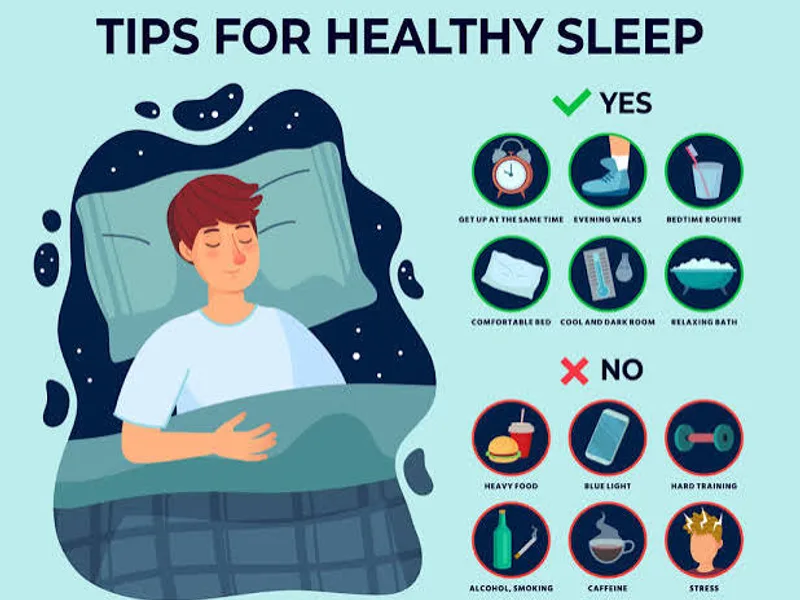
That means looking beyond bedtime. Your wake-up time, daylight exposure, exercise, caffeine, stress, bedroom environment and evening routine all influence the sleep-wake cycle. The goal isn't to achieve “perfect” sleep every night. That mindset can actually create more anxiety around sleep.
Doctar’s existing guide on better sleep and restful nights covers the same principle: sleep quality depends on several connected habits, not one magic solution.
Sleep also follows a biological rhythm. Your internal body clock helps determine when you feel alert and when you become sleepy. Bright light at the wrong time, irregular schedules and night-shift work can push that rhythm out of alignment.
For a deeper look at this issue, see Doctar’s article on understanding the sleep cycle.
Start With Your Wake-Up Time
A regular wake-up time may be more useful than obsessing over the exact minute you should fall asleep.
Try to wake at roughly the same time each day, including weekends. This gives your body clock a more predictable signal. NHLBI recommends keeping weekday and weekend schedules reasonably close rather than making large changes from one day to the next.
If your schedule is badly shifted, don't assume an all-nighter will “reset” it. Gradual changes are generally easier to maintain.
Doctar also explores this in its guide to becoming a morning person and shifting your sleep schedule.
Someone who constantly changes between late nights and early mornings may be fighting their own body clock every day. That's a very different problem from simply needing a better mattress.
Build a Bedroom That Supports Sleep
Your bedroom does not need to look like a luxury hotel. It needs to be comfortable enough that your surroundings are not constantly pulling your attention away from sleep.
Keep the room as dark, quiet and comfortably cool as practical. Bright light, noise and uncomfortable temperatures can interfere with sleep.
Your mattress and pillow can matter too, especially if pain or discomfort repeatedly wakes you. Doctar has explored whether your mattress affects sleep quality and also looks at pillow choices and morning discomfort.
For people struggling with heat, particularly during India's warmer months, Doctar also discusses cooling pillowcases for better sleep.
Small environmental changes are often overlooked because they don't sound impressive. Yet sometimes the obvious problem really is the problem.
Manage Light, Screens and Evening Stimulation
Light tells the brain whether it should be preparing for wakefulness or sleep. Bright artificial light in the evening, including light from phones and televisions, can interfere with the body's normal sleep-wake timing.
That doesn't mean you must throw your phone away at sunset. A more realistic approach is to reduce bright screens and stimulating activities as bedtime approaches.
Doctar's guide to simple evening rituals for deeper sleep offers practical ideas for making this transition easier.
You can also read about editor-approved sleep habits and practical strategies for tired people who cannot sleep.
Don't Ignore Stress
Stress and sleep have a complicated relationship. A stressful day can make it harder to fall asleep, while poor sleep can leave you less able to cope with the next day's demands.
That cycle can become self-reinforcing. People may begin worrying about sleep itself: What if I don't sleep tonight? How will I work tomorrow? That worry can make bedtime even more difficult.
Doctar explains this relationship in its article on stress and its physical symptoms and its guide to emotional distress and sleep disturbances.
Some people find breathing exercises, meditation, journaling or quiet reading useful before bed. Doctar's 4-7-8 breathing guide and guided imagery guide discuss relaxation techniques that may help calm an overactive mind.
Weighted blankets are another commonly discussed option, although they are not a universal solution. Doctar covers weighted blankets, anxiety and sleep.
Food, Caffeine and Exercise Matter Too
Late-day caffeine can interfere with sleep even when you don't feel particularly sensitive to it. Caffeine's effects can last for hours, so an afternoon or evening coffee may still matter at bedtime.
Large meals and alcohol close to bedtime can also make sleep less comfortable. Regular physical activity during the day is generally helpful, although strenuous exercise immediately before bed may not suit everyone.
Sleep optimization is therefore partly about what happens during the day, not just what happens after you get into bed.
Doctar's broader sleep troubles guide for Indian readers brings together several of these lifestyle factors.
When Better Sleep Habits Are Not Enough
Persistent sleep problems deserve more than another list of bedtime hacks.
Insomnia involves difficulty falling asleep, staying asleep or getting good-quality sleep despite having enough opportunity and a suitable environment for sleep. Chronic insomnia can affect daytime concentration, memory and functioning.
In clinical practice, this is often missed because people assume they simply have “bad sleep habits.” Sometimes the real issue is anxiety, another medical condition, medication effects or a separate sleep disorder.
Doctar has detailed resources on cognitive behavioral therapy for insomnia (CBT-I), psychophysiological insomnia, and paradoxical insomnia.
CBT-I is particularly important because the American Academy of Sleep Medicine recommends it as a first-line treatment for chronic insomnia in adults. It combines behavioral strategies with work on thoughts and anxiety surrounding sleep.
Other health conditions can also interfere with sleep. Doctar discusses the connection between anemia and insomnia and the relationship between anxiety and exhaustion.
Watch for Signs of Sleep Apnea
Snoring is not always harmless.
Loud snoring, witnessed pauses in breathing, gasping during sleep and significant daytime sleepiness can be warning signs of sleep apnea. A healthcare professional may recommend a sleep study when symptoms suggest a breathing-related sleep disorder.
Doctar's detailed guide on sleep apnea symptoms, causes and treatment explains why this condition should not be treated simply as a sleep-habit problem.
Doctar also profiles a doctor experienced in snoring and sleep apnea care.
Other unusual nighttime behaviors may also warrant evaluation. For example, Doctar's guide to sleepwalking and mental health explains when recurrent or dangerous episodes deserve medical attention.
What About Sleep Supplements or Medicines?
Sleep optimization should not automatically mean taking a sleep medicine or supplement.
Melatonin, prescription sleep medicines and other products may have specific uses, side effects or interactions. They should not be started, stopped or changed without appropriate medical advice.
Doctar has information on melatonin-containing sleep medicine and prescription insomnia treatment such as daridorexant (Quviviq). These pages are useful for general education, but treatment decisions belong with a qualified clinician.
A Practical Sleep Optimization Plan
Don't change ten habits at once. Start with the basics:
· Keep your wake-up time reasonably consistent.
· Give yourself enough time in bed for adequate sleep.
· Get regular daytime activity and exposure to natural light.
· Reduce bright light and stimulating activities near bedtime.
· Keep your bedroom dark, quiet and comfortable.
· Watch caffeine, alcohol and heavy meals in the evening.
· Use a calming routine if stress keeps your mind active.
· Seek medical advice for persistent insomnia, breathing pauses, severe daytime sleepiness or unusual sleep behaviors.
Doctar also has a useful resource on common sleep problems and practical solutions.