What Makes Confinement Different From Isolation
Isolation and confinement get used interchangeably, but they're not quite the same thing, and the distinction matters for how researchers study them. Isolation usually refers to reduced social contact. Confinement adds a physical restriction on top of that, being unable to leave a space, whether that's a home during a lockdown, a hospital room, or quarantine housing.
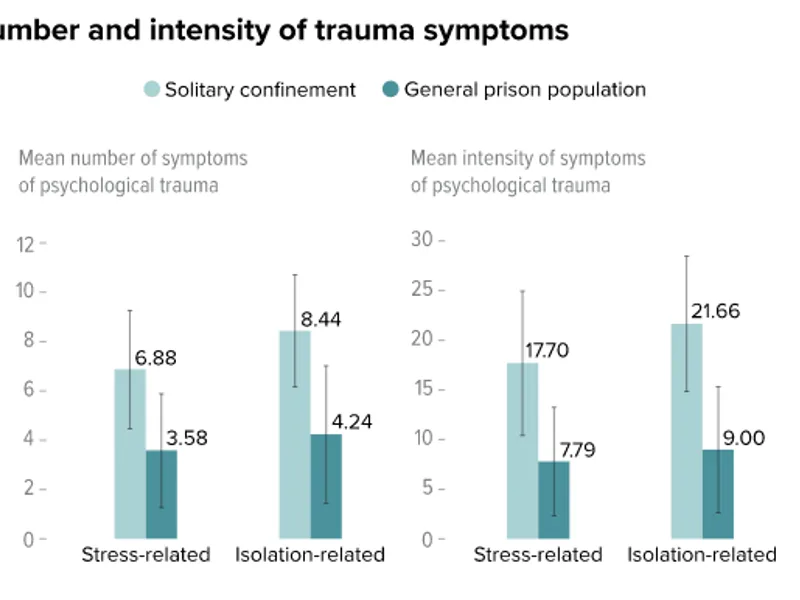
That combination changes the psychological experience. Someone can feel isolated while still having freedom of movement, which softens some of the impact. Add physical restriction to reduced social contact, and the research consistently shows a stronger effect on mood, sleep, and stress levels.
This distinction became impossible to ignore during COVID-19 lockdowns, when entire populations experienced confinement simultaneously for the first time in most people's living memory. That period generated a genuinely large body of research, more than isolation studies alone had produced in prior decades, and it's worth drawing on directly rather than relying on older, smaller-scale confinement studies.
What the Research Actually Shows
Multiple studies conducted during pandemic-era lockdowns found increases in reported anxiety, depressive symptoms, and sleep disturbance during confinement periods compared to before restrictions began. The size of these effects varied a lot depending on how long confinement lasted, how much uncertainty surrounded it, and what social contact remained available, even if only through video calls or phone.
Duration mattered more than most people expected going in. Short confinement periods, a few days to a couple of weeks, tended to produce milder and more transient effects. Longer confinement, stretching into months, showed a stronger association with sustained mood and anxiety symptoms, particularly when combined with financial stress or uncertainty about when restrictions would end.
In clinical practice, this is often missed because people assume the confinement itself is the whole story. Uncertainty about duration turned out to be its own separate stressor in a lot of this research, distinct from the confinement itself. Not knowing when something will end appears to weigh on people differently than knowing there's a fixed date to work toward.
Who Tends to Be Hit Hardest
Not every group experiences confinement the same way, and the research on this is fairly consistent. Children and adolescents showed notable increases in anxiety and behavioral changes during extended lockdown periods, particularly when routine and peer contact were both disrupted at once.
Older adults living alone faced a different but equally serious risk profile, especially when confinement coincided with reduced access to routine medical care or caregiving support. People managing pre-existing mental health conditions before confinement began generally reported worse outcomes during it, which makes sense but is worth stating directly rather than assuming confinement affects a "baseline" population evenly.
Family confinement brought its own complications too. Households already under strain before confinement, whether from relationship conflict or crowded living conditions, often reported the sharpest increases in stress and, in some studies, domestic conflict. Confinement doesn't create these dynamics from nothing, but it does seem to intensify whatever was already present.
Physical Health and Confinement Overlap More Than People Expect
Confinement rarely affects mental health in isolation from physical health, and the two tend to feed into each other. Reduced physical activity during extended confinement has been linked to worse mood outcomes in several studies, separate from the psychological stress of confinement itself.
Sleep disruption shows up here too, often for practical reasons as much as psychological ones. Daily structure tends to collapse during confinement, and without a regular wake and sleep schedule anchored by things like commuting or scheduled activities, sleep quality tends to drift.
If confinement is medically necessary, such as recovery after surgery or an infectious illness requiring quarantine, working with a physiotherapist on safe movement within the space can help offset some of the physical inactivity that tends to compound mood effects.
Recognizing When It's More Than a Rough Patch
Some drop in mood during confinement is expected and doesn't necessarily need professional intervention. But certain patterns are worth taking seriously rather than assuming they'll resolve once confinement ends.
Persistent low mood lasting more than a couple of weeks, sleep that doesn't normalize even after routine returns, or withdrawal that continues after confinement lifts are all signals worth acting on. So is a noticeable change in a child's behavior that doesn't settle once school or normal activities resume.
A general physician is a reasonable first stop for an initial assessment, particularly to rule out physical contributors like vitamin deficiency or thyroid issues that confinement-related inactivity can sometimes bring on. From there, referral to a specialist makes more sense than guessing at home.
Getting the Right Kind of Help
If mood or anxiety symptoms persist, a psychiatrist can properly assess whether confinement triggered a temporary, situational response or something that needs structured treatment. That distinction genuinely changes the treatment approach, so it's worth getting an actual evaluation rather than assuming either explanation.
For children showing behavioral changes tied to confinement, a pediatrician can assess development and rule out other explanations before assuming confinement is the sole cause. It's also worth reading about how ADHD evaluations typically work, since attention and behavioral symptoms sometimes surface or worsen during confinement in kids who had an underlying, previously unnoticed condition.
If cognitive symptoms like brain fog or memory lapses feel significant, a neurologist can evaluate more formally, and it's genuinely worth understanding how sleep and neurological health connect, since disrupted sleep during confinement shows up in nearly every study on this topic.
Family and Relationship Strain During Confinement
Confinement doesn't just affect individuals, it changes how households function together. Reading about how conditions like bipolar disorder are properly diagnosed is useful context if mood swings within a household during confinement seem more extreme than ordinary stress would explain.
This piece on attention-seeking behavior patterns can also help distinguish normal confinement-related friction from behavior that needs a closer look, particularly within families where confinement has stretched on for weeks.
Where to Find Support
Doctar's psychiatrist listings and general doctor search let you filter by experience, language, and consultation fee before committing to an appointment. This overview on finding the right mental health doctor is a reasonable starting point if you're unsure which specialist fits your situation.
If leaving the confined space isn't possible or advisable, home visit doctor services bring that first consultation to you instead of requiring a clinic trip. A diagnostic center can coordinate any recommended bloodwork or testing, and a dietitian can help rebuild eating patterns that often slip during extended confinement.
For situations needing more structured or inpatient support, a hospital directory is worth having on hand, and for acute crises, emergency services or an ambulance should never be a last resort. This kind of support is available nationwide, whether you're in Delhi, Mumbai, Bangalore, Chennai, or Kolkata. Doctar's nationwide directory can help locate someone qualified nearby, the about page explains how doctor verification works on the platform, and the health blog covers additional related reading.