

Emergency & Help
24/7 Emergency & General Advisory
🚨 24/7 Medical Emergency
Non-Emergency Advisory
10:00 AM – 6:00 PM, Mon–Sat
For appointments & general queries.
24/7 Emergency & General Advisory
🚨 24/7 Medical Emergency
Non-Emergency Advisory
10:00 AM – 6:00 PM, Mon–Sat
For appointments & general queries.
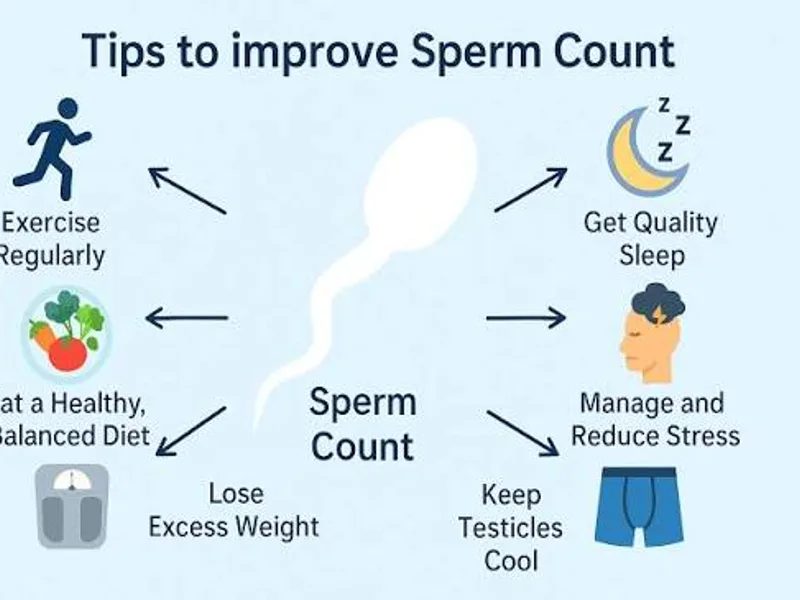
Sperm quality is influenced by more than sperm count. Movement, shape and overall sperm health also matter when a couple is trying to conceive. Healthy weight, regular exercise, a balanced diet, good sleep, avoiding tobacco and anabolic steroids, and limiting excessive alcohol can support reproducti
A semen analysis typically looks at sperm concentration, motility and morphology. Concentration refers to how many sperm are present, motility describes how well they move, and morphology refers to their shape and structure.
Doctar's guide to semen and sperm explains why semen and sperm are different and why several measurements matter when assessing male fertility.
A man can have a reasonable sperm count but poor movement or morphology. Conversely, a lower count does not automatically mean pregnancy is impossible.
Smoking is one of the clearest lifestyle factors worth addressing.
WHO identifies tobacco use as a factor that can reduce fertility, and its reproductive-health materials specifically warn that smoking can damage sperm and decrease fertility.
If you're trying to conceive, quitting smoking is a much more sensible investment than spending money on an unproven “fertility booster.”
Doctar's stress-management guide can also be useful when stress is one of the barriers making lifestyle changes harder.
Heavy alcohol intake can interfere with male reproductive health and may affect hormone production and sperm quality.
WHO lists excessive alcohol intake among lifestyle factors associated with infertility.
That does not mean a single drink automatically damages sperm. The concern is more about regular heavy consumption and overall health.
Doctar's article on alcohol's impact on testosterone provides more context on alcohol, hormones and men's health.
Weight can influence male reproductive health through metabolic and hormonal pathways.
WHO recommends healthy eating, physical activity and weight management as part of healthier lifestyles, while its infertility guidance identifies obesity as a factor associated with infertility.
This does not mean every man with overweight has poor sperm quality. It means that improving metabolic health can be a sensible part of a fertility plan.
Men who are also concerned about hormones can read Doctar's guide to testosterone levels.
Regular physical activity supports cardiovascular and metabolic health, both of which matter for reproductive health.
The WHO's 2025 infertility guideline specifically recommends lifestyle interventions such as healthy diet, physical activity and tobacco cessation for people planning or attempting pregnancy.
The goal is consistency rather than extreme training.
Doctar's men's fitness workout guide covers strength training, cardiovascular exercise and sustainable fitness habits.
There is no single “fertility food” that magically improves sperm.
A better approach is a varied diet containing vegetables, fruits, whole grains, legumes, nuts, healthy fats and adequate protein. WHO recommends diets built around foods such as fruits, vegetables, legumes, whole grains and nuts as part of healthy living.
A poor diet combined with obesity, smoking or heavy alcohol use is a very different situation from an otherwise healthy man occasionally eating processed food.
Doctar's protein guide discusses protein needs in the context of nutrition and physical health.
The testicles function best at a temperature slightly below core body temperature. Prolonged or repeated excessive heat exposure can affect sperm production.
Occupational heat and certain environmental exposures are recognised concerns in male reproductive health.
Everyday claims about laptops, hot baths or underwear, however, are often exaggerated online. Doctar's discussion of tight underwear and sperm count notes that the evidence does not show that tight underwear alone causes infertility.
Common sense is enough: if you're actively trying to conceive, avoid prolonged excessive heat rather than becoming anxious about every normal activity.
Sleep is often overlooked in fertility discussions.
Poor sleep can affect metabolic health, stress levels and hormone regulation. It is difficult to separate the effect of sleep itself from the wider lifestyle factors that often accompany sleep deprivation.
A man who works long hours, rarely exercises, eats poorly and sleeps five hours a night is dealing with several potential fertility stressors at once.
Doctar's cover related topics involving hormones, fitness and reproductive health.
This is one of the most important points.
Testosterone replacement therapy and anabolic steroids can suppress the body's natural signals for sperm production. WHO specifically lists anabolic-steroid use among factors that can cause abnormal semen parameters.
So a man taking testosterone to improve energy or muscle mass may actually make conception more difficult.
Doctar's information on testosterone and men's health explains why testosterone products should not be confused with fertility treatment.
If you are already taking TRT, do not stop it abruptly based on an article. Discuss fertility goals with the doctor managing your treatment.
Antioxidants and fertility supplements are widely marketed to men trying to improve sperm.
The evidence is much less certain than the advertising suggests. A Cochrane review of 90 randomized trials involving more than 10,000 subfertile men found that antioxidant supplements may improve pregnancy or live-birth outcomes, but the certainty of the evidence was low or very low and the researchers concluded that the overall evidence remained inconclusive.
Some Doctar products marketed for male fertility contain combinations such as CoQ10, L-carnitine, zinc, selenium and antioxidants. That does not mean every man needs them or that a particular combination will improve his fertility.
Do not stack several fertility supplements without medical advice. Excessive intake of some nutrients can be harmful.
Sexual problems can make conception difficult even when sperm production is normal.
Persistent erectile dysfunction can make intercourse difficult, while ejaculation disorders may prevent sperm from being delivered effectively.
Doctar's information on delayed ejaculation and premature ejaculation covers two different sexual-function concerns that may affect couples trying to conceive.
If anxiety or relationship stress is contributing, sex therapy in India may also be worth discussing.
In clinical practice, fertility problems are sometimes approached as if sperm count is the entire story. It isn't. Sexual function, hormones, medications, lifestyle and the female partner's fertility can all influence the chances of conception.
Some occupational and environmental chemicals can affect male reproductive health.
WHO identifies environmental pollutants and toxins as potential contributors to reduced sperm numbers and poorer sperm quality.
If your job involves pesticides, solvents, heavy metals or other reproductive hazards, tell your doctor during a fertility assessment. Appropriate workplace protection matters.
Low sperm quality can sometimes be a symptom of an underlying medical problem.
Varicocele, hormonal disorders, infections, genetic conditions, previous testicular injury and some medicines can affect sperm production.
Doctar's information on male infertility causes explains some of these conditions in more detail.
Do not assume that lifestyle changes alone will fix an underlying medical disorder.
Sperm production is not an overnight process.
Doctar's sperm-health guide notes that sperm production and maturation takes roughly 74 days.
That means changes made today may take several weeks to months before their effect can potentially be reflected in a semen analysis.
This is one reason fertility treatment requires patience. Checking sperm every few days is unlikely to provide useful information.
If you're concerned about fertility, testing is more useful than guessing.
A semen analysis can assess sperm concentration, movement and morphology. If an abnormal result is found, doctors may repeat the test because semen parameters can vary between samples.
WHO defines infertility as failure to achieve pregnancy after 12 months or more of regular unprotected intercourse, although earlier assessment can be appropriate when there are known risk factors or reproductive problems.
Doctar's semen and sperm guide can help readers understand what these laboratory measurements mean.
If the results are abnormal, a doctor consultation with an appropriate urologist, andrologist or fertility specialist can help identify the next step.
A higher sperm count is not necessarily the same as better fertility.
Sperm need to move effectively and have a structure capable of supporting fertilisation. WHO identifies low sperm levels as well as abnormal sperm shape and movement among important male infertility factors.
That's why the phrase “increase sperm count” can be misleading. The goal is healthy reproductive function, not simply a larger number on a laboratory report.
Doctar's provide additional information on reproductive, hormonal and sexual health.
Visit Hospital
Near You